🍘👹A CRACKER TO AVOID THE PLAGUE🤲🍘

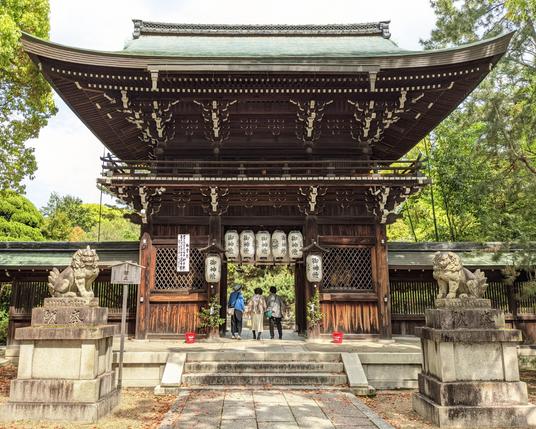
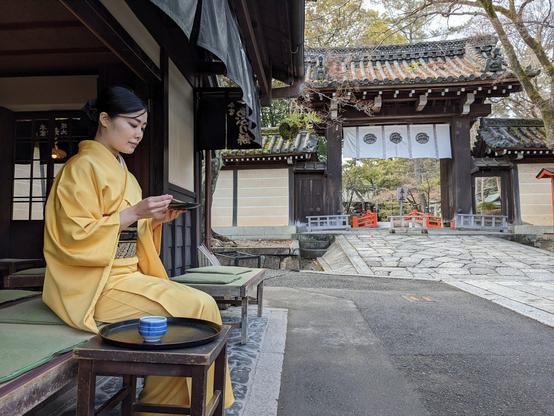
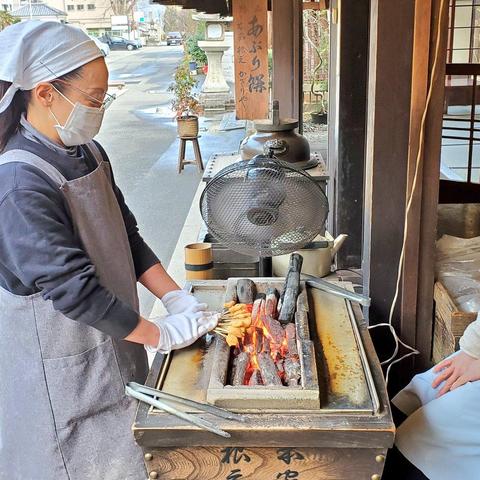
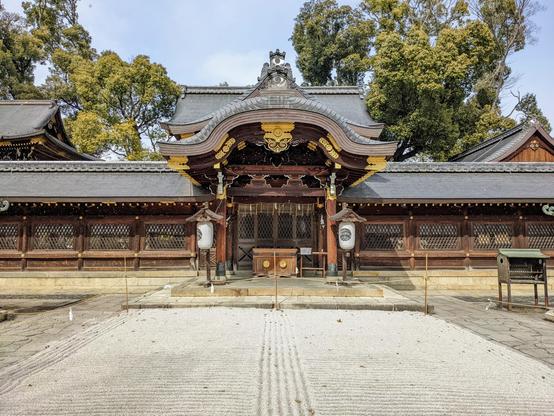
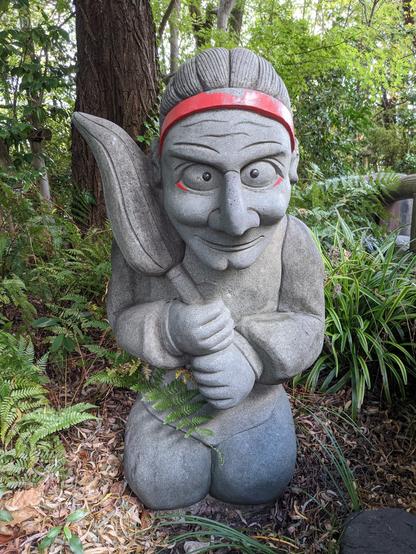
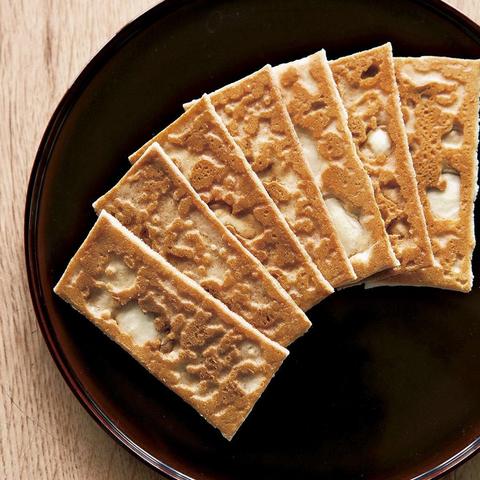
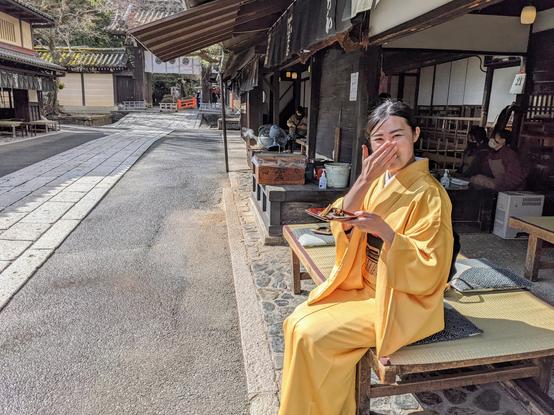
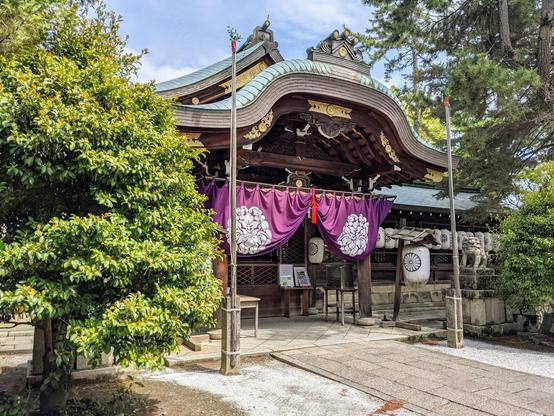
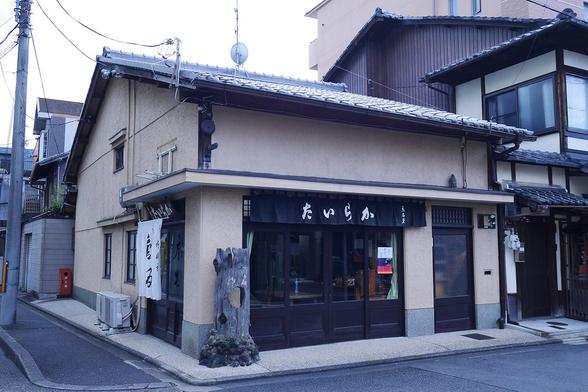
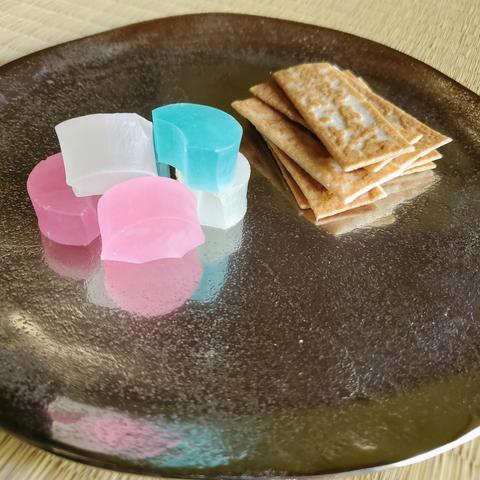
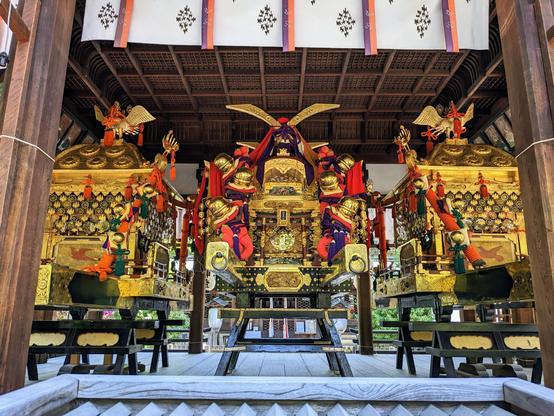
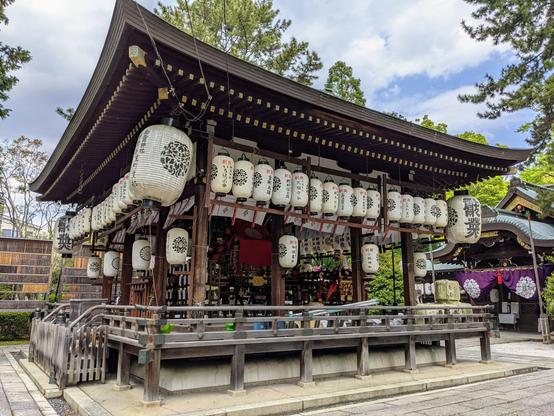
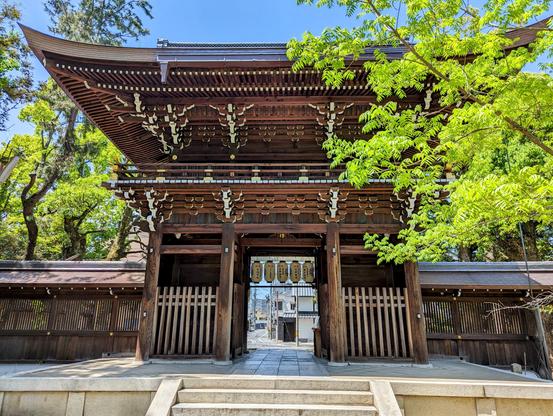
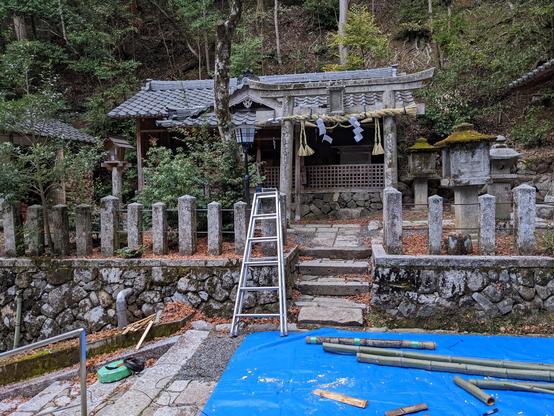
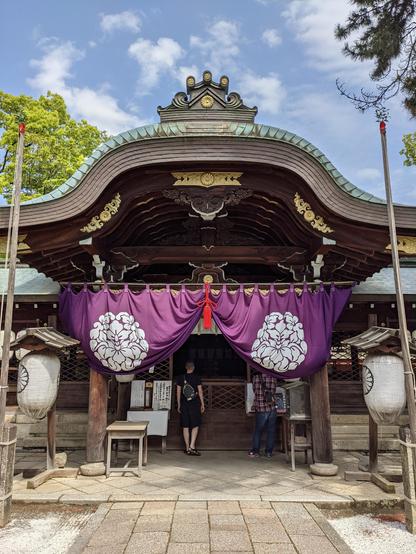
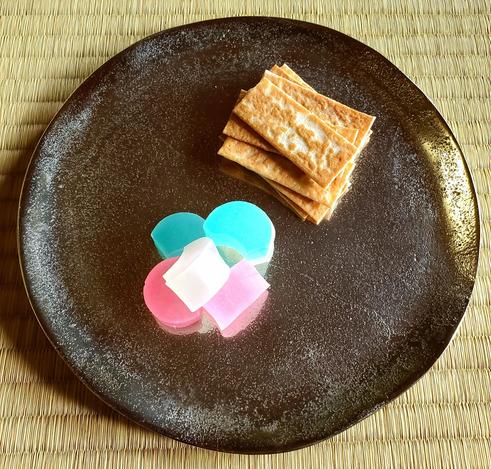
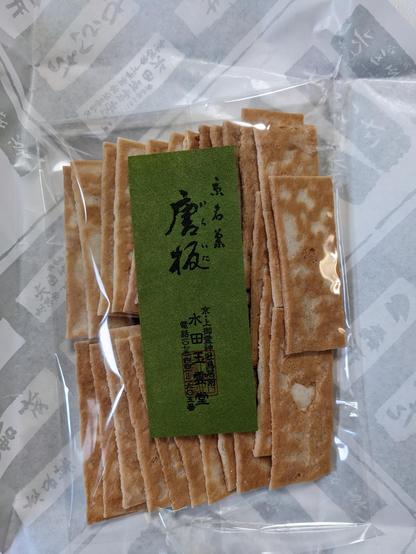
Beside Kamigoryō-jinja (上御霊神社) is a small store that sells one type of confection only...a simple, sweet cracker.
Like the shrine itself, the crackers have a deep connection to the origins of the Gion Matsuri (祇園祭).
#Kyoto #京都
In 863 a plague struck the capital.

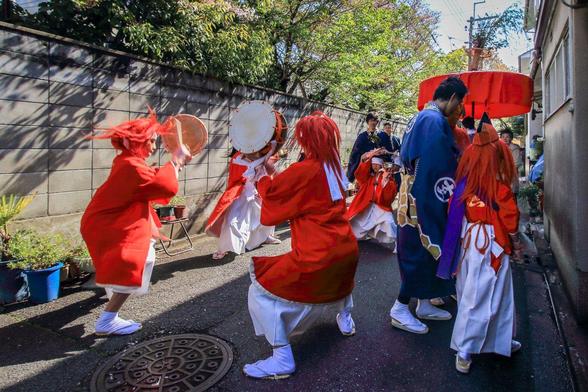
Disease in those days was attributed to either gods or demons, and so the court decided to hold a special event in order to placate the 'goryō' (御霊 - angry spirits believed to be responsible for the epidemic) with music, dance and offerings.

Goryō-e (御霊会) was a ritual to appease 6 figures (later 8) of noble blood that had been wrongfully punished by the court, and were thus vengeful in death.
Through such ceremonies it was believed these malevolent spirits could be transformed into protective ones.
#Japan #Kyoto

Back to biscuits...

At the first 'goryō-e', held in the grounds of the imperial gardens, one of the many offerings was a type of Chinese-style cracker.
It is said that Kibi-no-Asomi Makibi (吉備真備 695-775), an envoy to Tang, was the first to introduce these crackers to Japan.

But why was the cracker offered?

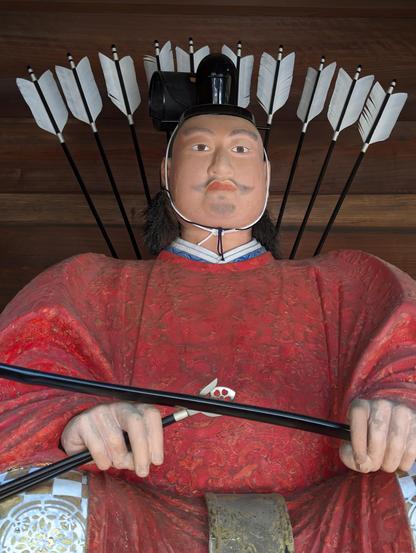
Well, Kibi was 1 of the 6 goryō being worshipped. Regarded as the founder of Japanese onmyōdō (陰陽道 'The Way of Yin and Yang'), Kibi's exalted career ended in humiliation when his candidates to succeed Empress Shōtoku failed to take the throne.

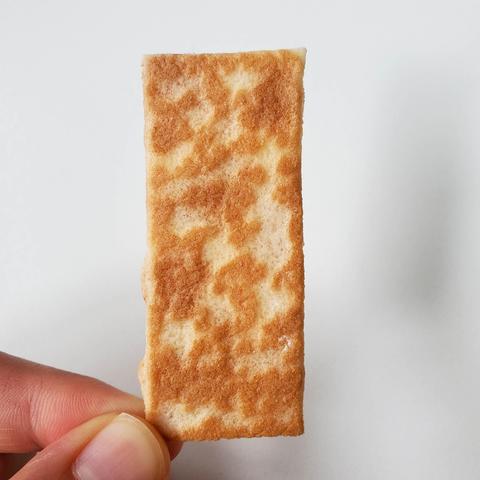
Because of their connection to the rituals held to end epidemics, people began to eat the 'karaita' crackers (唐板) for their own health and protection.

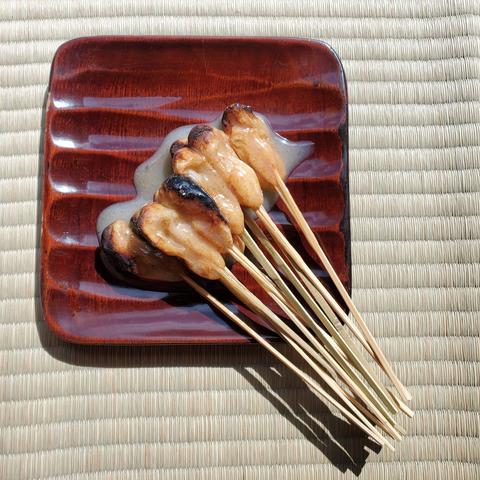
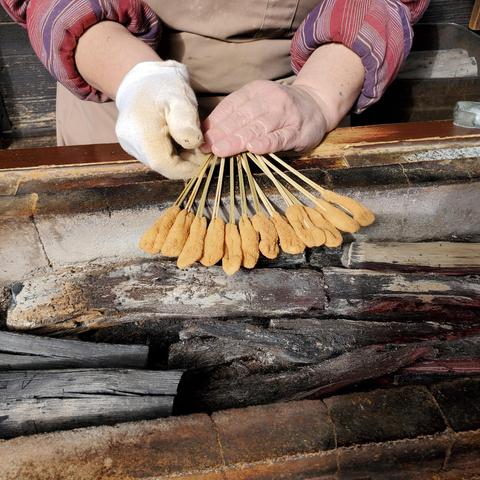
A similar belief surrounds Ichimonjiya Wasuke's (一文字屋和輔) 'aburi-mochi' (あぶり餅) at Imamiya-jinja.
#Kyoto #京都 #Japan
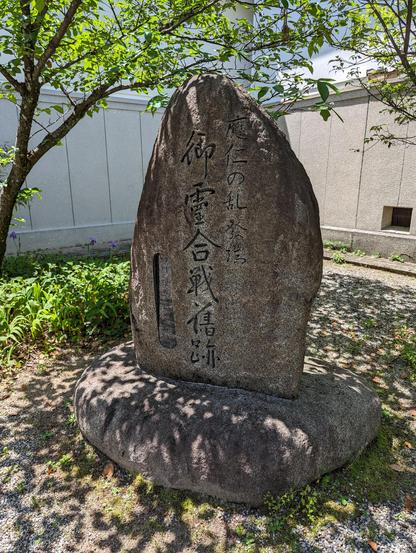
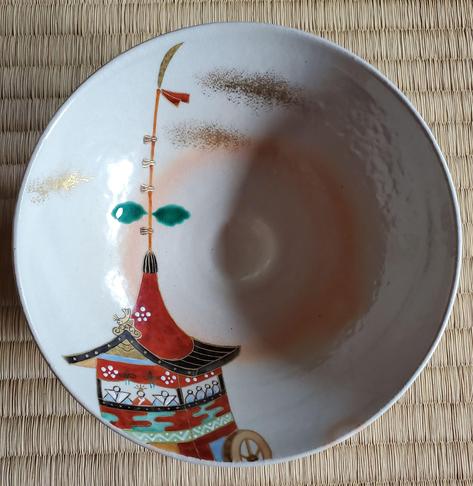
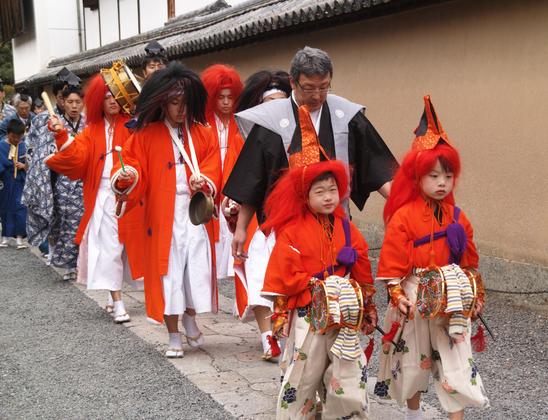
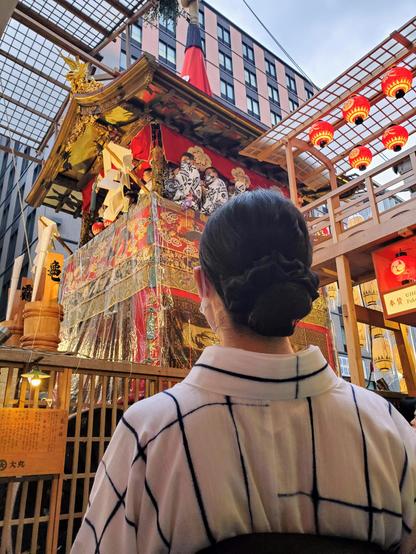
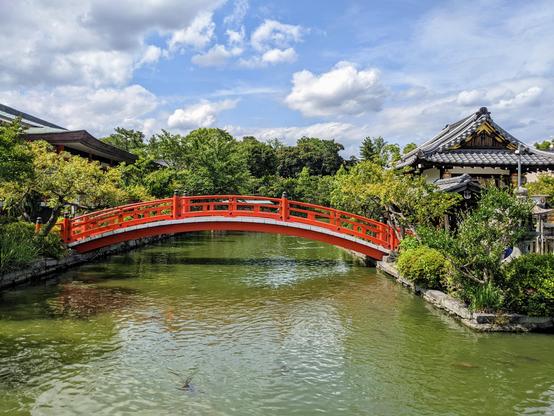
The original goryō-e at Shinsen-en (神泉苑) in 863 evolved to become the Gion Matsuri (祇園祭), which focused not on the 8 goryō but the 'plague god' Gozu Tennō (牛頭天王).

#Japan #Kyoto #京都 #GionMatsuri
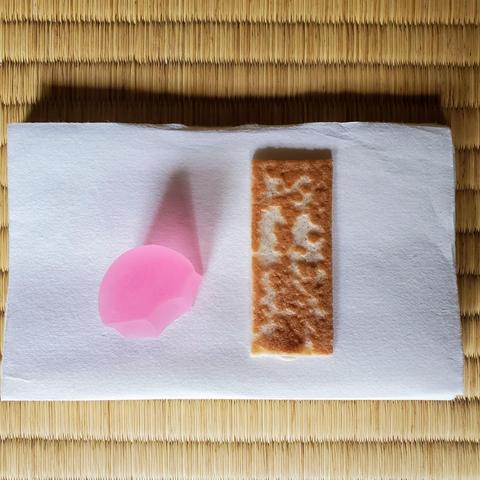
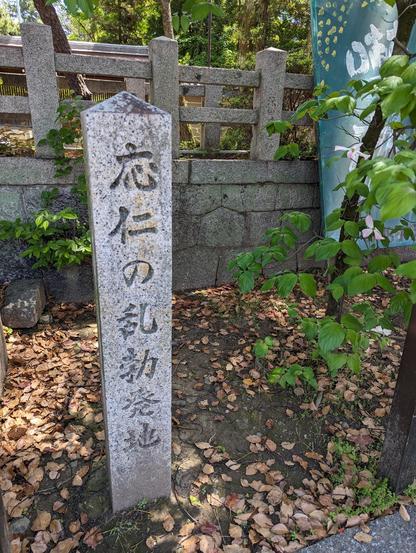
The Ōnin War (応仁の乱 1467-77) ended production of the original 'karaita' (唐板), but when the dust had settled the founder of Mizuta Gyokūndō (水田玉雲堂) hunted through old documents to recreate the crackers.

And the store has been selling them ever since (for 542 years)!

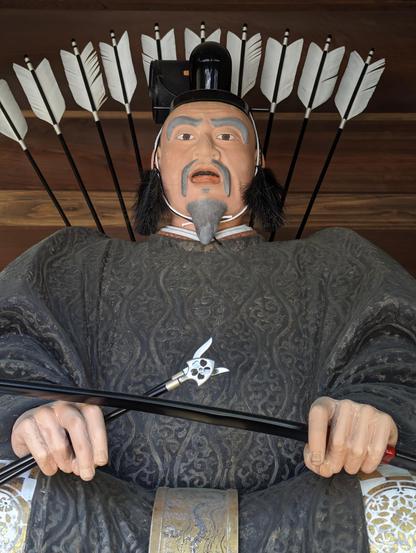
In the Shōwa period Mizuta Gyokūndō (水田玉雲堂) moved in front of Kami Goryō-jinja (上御霊神社), where Kibi-no-Makibi (吉備真備 695-775) is enshrined.

Each 'karaita' (唐板) is handmade from a simple recipe of sugar, flour and eggs. The store only sells this sweet🍘🙏
#Kyoto

⚔️💀VENGEFUL GHOSTS👹😇

For #folklorethursday I thought I'd take a look at the 'vengeful ghosts' that so worried the Heian aristocracy.
In Kyōto attempts to appease six of these ghosts would lead to the creation of two shrines and (inadvertently) the Gion Matsuri.
#Kyoto #京都
In times past it was believed that epidemics and natural disasters were caused by otherworldly forces.
Whereas most of the population attributed outbreaks of disease to angry or preoccupied gods, the imperial court pinned blame on 'goryō' (御霊), vengeful spirits.
#folklore #京都

The Gion Matsuri would evolve from a ritual to appease this group of 'goryō' at Shinsen-en (神泉苑) in 865.

An altar was erected to the 6 goryō (this number would later rise to 8) and entertainment provided. Even the common people were given access to the palace's private garden.

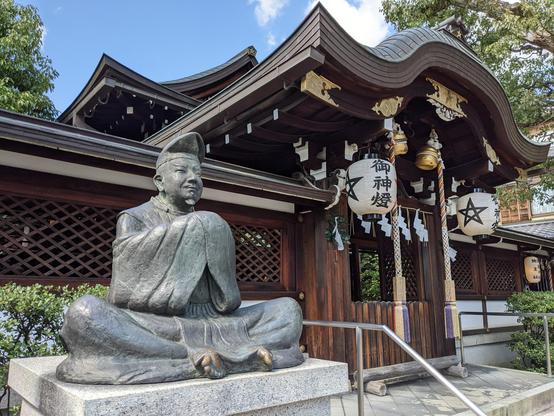
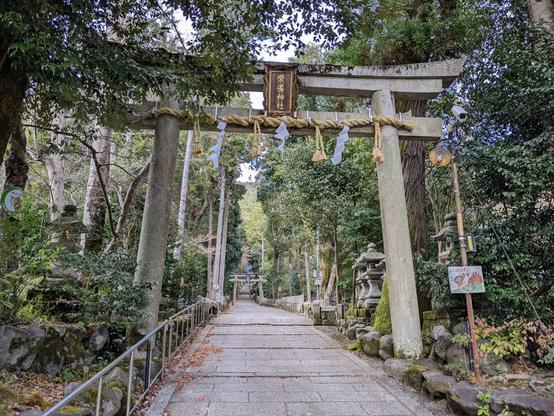
Kamigoryō-jinja (上御霊神社) and Shimogoryō-jinja (下御霊神社), the 'upper' and 'lower' Goryō shrines, have a long and complicated history that is far older than Kyōto.

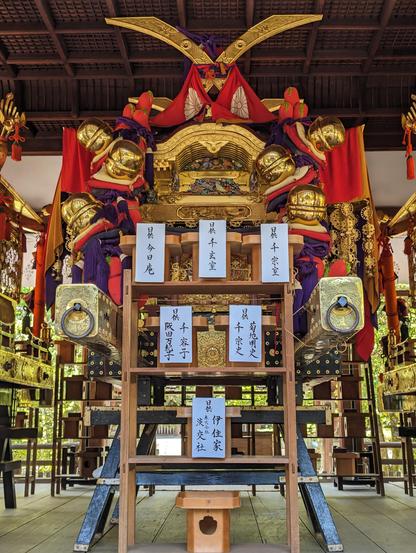
They came to enshrine the spirits of 6 (then 8, much later even 13) nobles, all believed to have become vengeful spirits in death.

Unfairly treated by the court while alive (some even forced to take their own lives), in death these nobles were believed to have become malevolent forces.

By worshiping and enshrining them, it was hoped they would be transformed into protective deities of the capital and country.

Emperor Kammu, when founding Kyōto, would begin the tradition of enshrining 'goryō', starting with his own brother.

Prince Sawara had been implicated in the murder of Fujiwara-no-Tanetsugu (藤原種継), the man in charge of constructing the short-lived capital Nagaoka-kyō (長岡京).

On his way into exile on Awaji Island in 785 Prince Sawara 'starved' himself to death. Whether or not he had been involved in the plot to derail the court move to Nagaoka-kyō, Sawara's angry ghost would be cited as one of the reasons the project was abandoned and Kyōto established.
Between 794-800 Kammu enshrined his brother in 8 spots around the city to placate his angry spirit, but this (along with the moving of capitals) was not considered enough, so in 800 the prince was posthumously elevated to Emperor Sudō (崇道天皇)...the only time this has happened.
Kammu, in order to clean the slate, also honoured Crown Prince Osabe (他戸親王) and his mother Princess Inoue (井上内親王).
Through the machinations of Fujiwara-no-Momokawa, in 772 Inoue was accused of witchcraft (cursing her husband, Emperor Konin) and deposed along with her son.
In 775, under house arrest, the pair suddenly died (probably poisoned). It opened the way for Prince Yamabe to become crown prince and then Emperor Kammu.
When Emperor Konin fell sick, it was believed to be the ghost of Inoue. Further calamities followed & were blamed on the pair.

Emperor Sudō, Prince Osabe and Princess Inoue were the first 'vengeful' spirits to be enshrined at the ancient temple of Izumo-dera (出雲寺). In the decades that followed new names were added.

Kamigoryō-jinja & Shimogoryō-jinja emerged as 'upper' and 'lower' Izumo-dera declined.

Both shrines more or less enshrine the same figures.

3 & 4) Fujiwara-no-Yoshiko (藤原吉子) and Prince Iyo (伊予親王), wife and son of Emperor Kammu.
Both fell from power after Iyo was implicated in a planned rebellion in 807. It is probable they were both poisoned during confinement.

5) Tachibana-no-Hayanari (橘逸勢). Died in 842 on the way to exile in Izu Province, implicated in a plot with Tomo-no-Kowamine to have Prince Tsunesada take the throne.

6) Funya-no-Miyatamaro (文室宮田麻呂). In 843 he was also banished to Izu, accused of fomenting rebellion.

In 863 a terrible epidemic struck, and believing it to be the work of these 6 'goryō' (vengeful spirits), a ritual was held on May 20th in the grounds of the palace gardens.
This 'goryo-e' (御霊会) would be held in times of necessity, and led to the creation of the Gion Matsuri.

2 more names were added.

7) Sugawara-no-Michizane (菅原道真). Outmaneuvered by his enemy, Fujiwara-no-Tokihira, and demoted to Kyūshū.

8) Kibi-no-Makibi (吉備真備) d.775. His influence at court spooked the old established families & led to the 740 Fujiwara-no-Hirotsugu Rebellion.

The Goryō shrines more or less celebrate the same 8 figures, the only difference being that Shimogoryō switched out Princess Inoue & Prince Osabe for...

Fujiwara-no-Hirotsugu (藤原広嗣) d.740. Raised a rebellion against government corruption (to reestablish his family's power).

Emperor Meiji would later add names to the list after the tumultuous Bakumatsu period.

So why all this discussion of goryō?
Well, July 1st is the start of Gion Matsuri, Kyōto's largest and most important festival. It began out a ritual to placate these vengeful spirits......

@camelliakyoto Thank you for these stories. So interesting ...