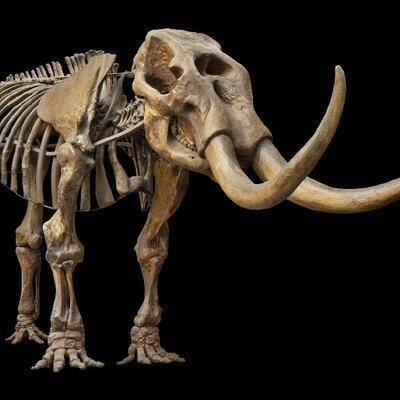
 GBIF Mammut sp.
Biodiversity, complete inventory, taxonomy and keys to the species of Mysidae (Crustacea, Mysida) from marine caves of the Caribbean with revision of three genera and description of three new species
This dataset contains the digitized treatments in Plazi based on the original journal article Wittmann, Karl J., Chevaldonné, Pierre (2026): Biodiversity, complete inventory, taxonomy and keys to the species of Mysidae (Crustacea, Mysida) from marine caves of the Caribbean with revision of three genera and description of three new species. ZooKeys 1283: 93-204, DOI: 10.3897/zookeys.1283.169111AbstractCollections of Mysidae taken in marine caves during the PACOTILLES- 2 cruise to the Lesser Antilles, together with additional sampling in the Caribbean and inspection of museum collections and literature data yielded five stygobiont, 13 troglophile (stygophile) and nine trogloxene species. Sequences for COI mtDNA were obtained for populations of six species and nuclear 18 S ribosomal DNA for populations of two species. A COI - based distance tree is given for populations of three species of Mysidium.The tribe Mysidetini is here revised with inclusion of the genera Bermudamysis and Platyops based on segmental numbers and the non-prehensile structure of thoracic endopod 3. The description of Bermudamysis caribbaea sp. nov. from Guadeloupe is mainly based on segmental numbers of thoracic endopods and on telson structure. The male of Platyops sterreri is now first described from Guadeloupe, which represents the first record of this species outside Bermuda. Platyops dennisi is removed from Platyops and established as the type species of Chelitrapezura gen. nov., the latter affiliated with the tribe Heteromysini (subfamily Heteromysinae). Heteromysis troglophila sp. nov. from marine caves in the Lesser Antilles differs from the nearest congeners by a broadly rounded rostrum in combination with different numbers of spines and laminae of the telson. The genus Palaumysis is revised including supplementary descriptions of P. simonae and P. bahamensis. The establishment of P. antillensis sp. nov. is mainly based on features of the antennula, antenna, and carapace.Diagnoses together with data on distribution and troglophilia are given for all here acknowledged 27 species from marine and anchialine caves of the Caribbean; keys to the genera and species are included.