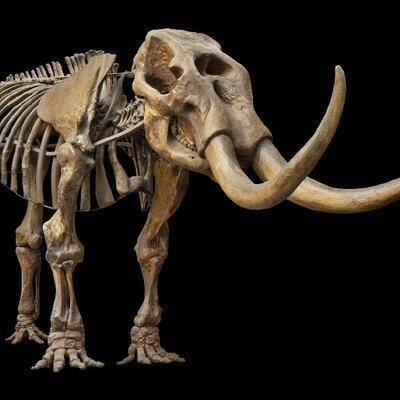
 GBIF Mammut sp.
A new genus (Durabilispora) and two new species (D. carpatica, Dominikia tatrensis) in Glomerales (Glomeromycota)
This dataset contains the digitized treatments in Plazi based on the original journal article Błaszkowski, Janusz, Milczarski, Paweł, Malinowski, Ryszard, Niezgoda, Piotr, Goto, Bruno Tomio, Ronikier, Anna, Stanek, Małgorzata, Janik, Paulina, Zubek, Szymon (2026): A new genus (Durabilispora) and two new species (D. carpatica, Dominikia tatrensis) in Glomerales (Glomeromycota). MycoKeys 134: 313-340, DOI: 10.3897/mycokeys.134.187344AbstractMorphological studies, as well as comparisons and phylogenetic analyses of sequences of the 45 S (= 18 S-ITS- 28 S) nuc rDNA region and the largest subunit of the RNA polymerase II (rpb 1) gene of two specimens, preliminarily named Isolate 527 and Isolate 530, showed that they are undescribed species in a newly proposed genus of the family Rhizoglomeraceae and in the genus Dominikia in Dominikiaceae (order Glomerales, phylum Glomeromycota), respectively. Consequently, Isolate 527 was described as Durabilispora carpatica sp. nov. in Durabilispora gen. nov., and Isolate 530 as Dominikia tatrensis sp. nov. Durabilispora was previously identified as an undescribed genus informally named “ gen 21 ” by other researchers. Both new species produced glomoid glomerospores in glomerocarps, which were extracted from trap cultures inoculated with mixtures of rhizosphere soils and root fragments of meadow plants from the Tatra Mountains, southern Poland. The morphological identity of Du. carpatica to the previously found Isolate 299, which was not provided with genetic data, indicated that Du. carpatica also inhabited dunes of the Baltic Sea in northern Poland.