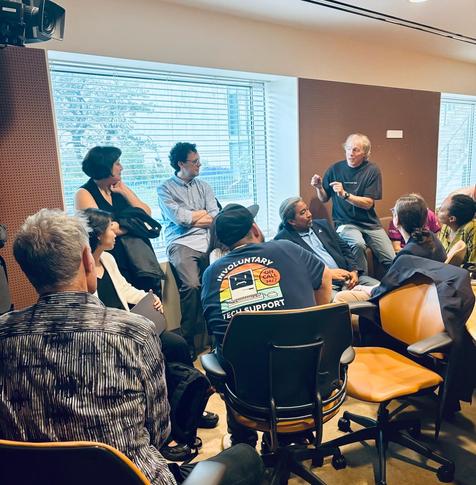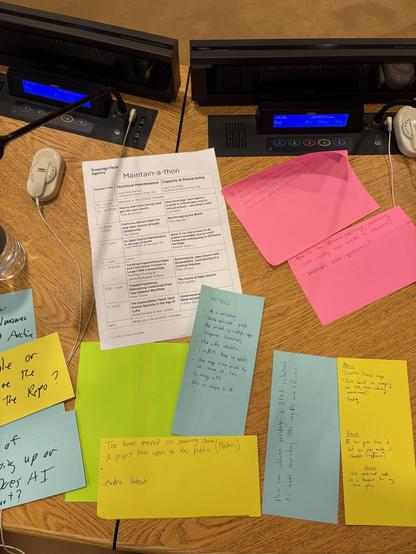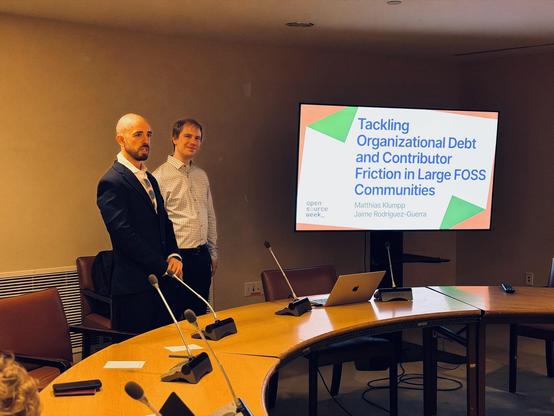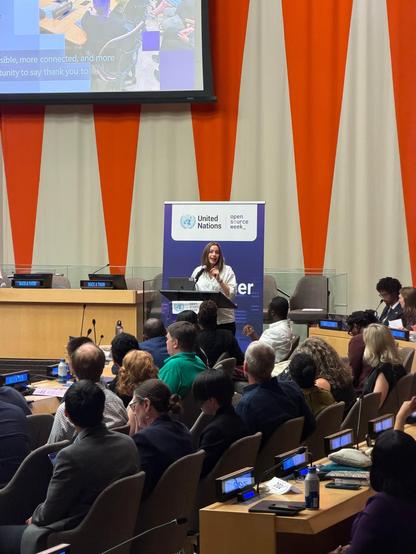
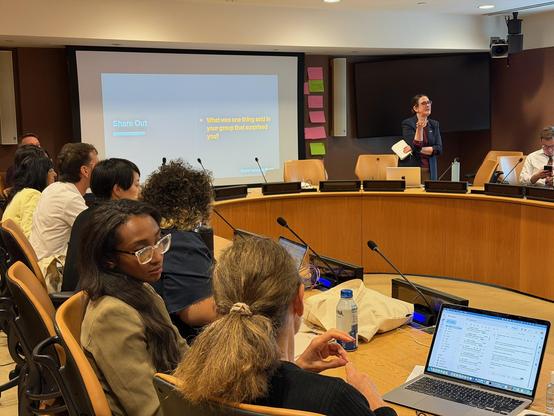
The second #Maintainathon at #UNOpenSourceWeek brought together more than 100 participants across two tracks and 15 sessions: maintainers, governments, NGOs, researchers, OSPOs, and #opensource communities speaking openly with one another about what it actually takes to sustain critical digital infrastructure.
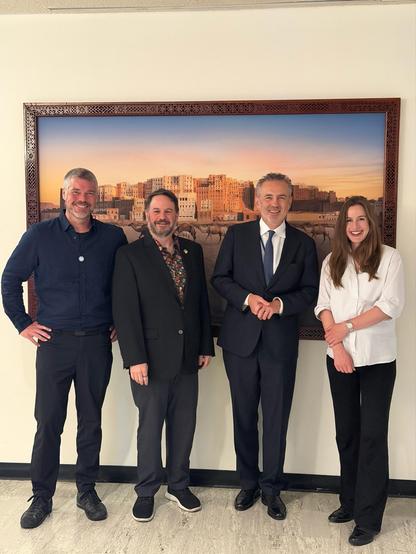
We were also glad to welcome Parliamentary State Secretary Thomas Jarzombek, who joined for part of the #maintainathon and took time to speak with some maintainers from our delegation.

The day’s discussions spanned a broad range of topics, from onboarding, tooling, and accessibility, to archival, governance, funding, AI, and security. Across all of it, several themes emerged: maintainer workload, transparency around AI-assisted contributions, developing better contributor pathways, building for long-term stewardship, and governance at scale.

One thing in particular came up repeatedly: open source maintenance is not a narrow technical task.

It is about trust, relationships, incentives, and the capacity to keep essential systems healthy over time.

In the wrap-up session at the end of the day, Adriana Groh spoke about how the unique value of the #maintainathon was not only in the individual sessions, but rather in the exchanges that took place: people comparing experiences, sharing practical approaches of what worked for them, and finding others facing the same challenges.

Critical #opensource infrastructure is global, but the people maintaining it often work in fragmented, under-resourced, and highly specific contexts. Bringing those people together creates practical knowledge that can make its way back into projects, communities, and institutions.

Our core takeaway: sustaining critical digital infrastructure means sustaining the people, practices, and organizations behind it.

Thank you to everyone who hosted, contributed, listened, and shared today.