How Ratan Tata's Social Responsibility Mindset Can Transform Healthcare UAT

User acceptance testing in healthcare has a reputation problem. It's often rushed, disconnected from what patients actually need, and met with silence from the people it's supposed to serve. That's not just frustrating—it's a missed opportunity to build something that truly works in practice. (1/7)

Ratan Tata's leadership at the Tata Group offers a different model. He treated business decisions as a chance to serve people, not just meet specs. For healthcare teams working with DSDM, that same approach can turn UAT from a checkbox into something end users genuinely want to participate in.

The idea is simple (2/7)

Tata built trust by weaving social impact into core business decisions. In healthcare services, that translates to designing UAT around real patient outcomes instead of purely technical requirements. When testers understand that their feedback ties to something meaningful—like cutting down medication errors or making care more accessible—they engage more honestly and bring better insights.

That's agile in a deeper sense. It's value-driven, human-centered, and iterative by nature. (3/7)

Five ways to put it into practice

1. Start with a purpose-driven MVP. Before sprint planning, identify one specific pain point your feature addresses—for a patient or a clinician. Build UAT around validating that outcome, not just confirming the feature works as coded. (4/7)

2. Bring real users in early. Leverage DSDM's timeboxing to run short feedback loops with nurses, admin staff, or patients during development—not only at the tail end. Their input should shape what you test, not just confirm it.

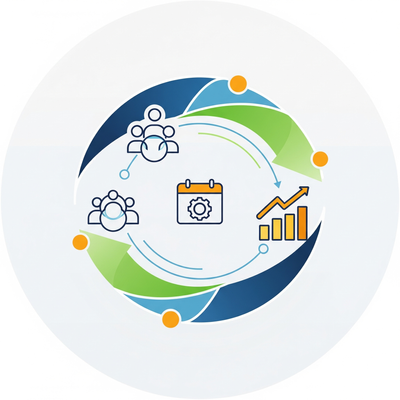
3. Run micro-UAT sprints. Split UAT into two-day cycles. Each one tests a single workflow with three to five users. Capture feedback quickly, make adjustments, and retest. Skip the big sign-off ceremony. (5/7)

4. Measure impact instead of pass/fail. Track whether the feature actually reduces task time, cuts down on errors, or eases frustration. Share those metrics with testers so they can see their direct role in improving care.

5. Close the loop publicly. After release, show users how their feedback changed the product. This builds trust and makes recruiting for future UAT cycles much easier. (6/7)

When UAT feels like a contribution rather than a chore, people show up, speak up, and help you build something that actually works. Try it in your next DSDM iteration and see what changes.

#HealthcareTech #UserAcceptanceTesting #DSDM #AgileHealthcare #RatanTata #SocialResponsibility #PatientOutcomes #HealthTech #ValueDrivenDesign #HumanCenteredDesign (7/7)