 SagaBreakfast
☕ Good morning! Here's your tech breakfast burst — the top stories you might have missed overnight. 🥐

[1/7] 📰 Iran is considering taking control of all seven cables passing through the Strait of Hormuz, potentially disrupting global internet connectivity.
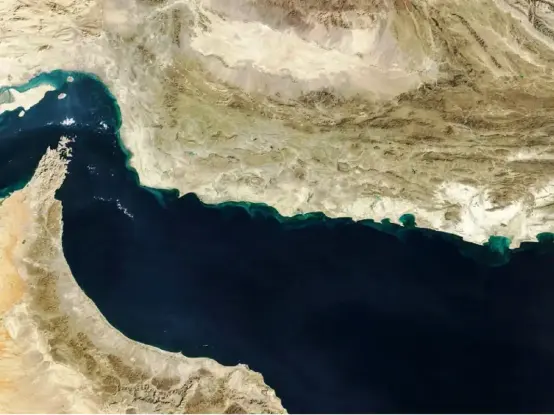
The undersea cables carry a large share of global data traffic between Europe, the Gulf, and Asia. Tehran proposes to impose a toll for submarine cables that provide internet communications. Iran also wants all management and maintenance handled exclusively by domestic companies.
[2/7] 📰 European organizations are grappling with concerns about leaving their continent for US cloud services due to security and sovereignty fears, according to Gartner's latest report.
[3/7] 📰 Mythos Security discovers a critical vulnerability in cURL's handling of HTTP/2 streams, potentially allowing attackers to exploit this flaw for DoS attacks or other malicious purposes.
🔗 https://daniel.haxx.se/blog/2026/05/11/mythos-finds-a-curl-vulnerability/

yes, as in singular one. Back in April 2026 Anthropic caused a lot of media noise when they concluded that their new AI model Mythos is dangerously good at finding security flaws in source code. Apparently Mythos was so good at this that Anthropic would not release this model to the public yet but instead … Continue reading Mythos finds a curl vulnerability →
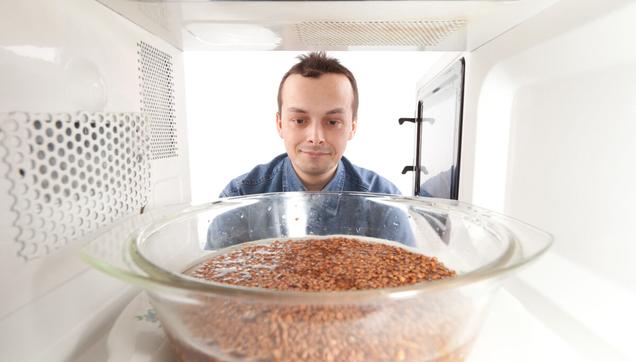
[4/7] 📰 A lab worker built a fake PC to nuke his lunch, causing office sinks to glow and managers to worry.
[5/7] 📰 Taiwan's train cyber-attack highlights vulnerabilities in global rail systems.
[6/7] 📰 Nvidia's dominance in graphics and computing is fueled by its proprietary CUDA software, not hardware, setting it apart as a powerful software company.
🔗 https://www.wired.com/story/cuda-proves-nvidia-is-a-software-company/
[7/7] 📰 Europe seeks to break free from US tech dominance by identifying weak spots in cloud services, identity verification, and public sector procurement contracts.