 KillBait
Supreme Court clarifies Batson jury selection standards in Mississippi racial bias case
📰 Original title: Brett Kavanaugh's surprise ruling in racial justice case astonishes expert
🤖 IA: It's clickbait ⚠️
👥 Users: It's clickbait ⚠️
Supreme Court clarifies Batson jury selection standards in Mississippi racial bias case
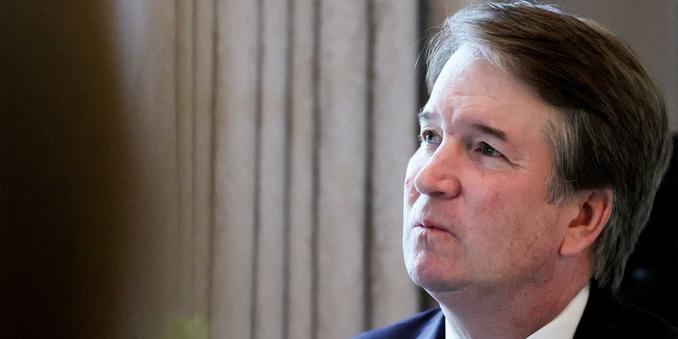
The article discusses a Supreme Court decision in the case of Pitchford v. Cain, where Justice Brett Kavanaugh wrote the 5-4 majority opinion addressing racial bias in jury selection. The case arose from a Mississippi murder trial in which prosecutors used peremptory challenges to exclude four out of five Black prospective jurors. Under the long-standing precedent set by Batson v. Kentucky, such exclusions cannot be based on race, and defendants may challenge them if discrimination is suspected. In Pitchford’s trial, prosecutors defended their actions by offering race-neutral explanations, including claims about jurors’ criminal histories and personal circumstances. The trial judge accepted these explanations and allowed the jury selection to stand. However, the Supreme Court majority, led by Kavanaugh, ruled that the trial court failed to properly complete the required Batson analysis. Specifically, the Court held that the judge did not adequately allow the defense to challenge whether the prosecutors’ stated reasons were pretextual, thus cutting short a necessary procedural step. The decision reversed the lower court’s handling and emphasized the importance of full procedural review in jury discrimination claims. Conservative justices, led by Neil Gorsuch, dissented, arguing that the defendant had not properly preserved the argument for appeal. Kavanaugh’s reasoning was noted as consistent with a legal perspective he had previously articulated in law school, focusing on the importance of defense participation in Batson hearings. The ruling follows Kavanaugh’s earlier participation in similar cases, including Flowers v. Mississippi, where he also sided with a defendant challenging repeated exclusion of Black jurors. Legal analysts described the decision as a notable civil rights outcome in an otherwise conservative court, highlighting its potential impact on how jury selection discrimination claims are evaluated in future cases.