 Space Environmentalism
"A study published in Frontiers in Astronomy and Space Sciences found that [orbital] decay rates rose sharply when sunspot numbers exceeded about 67% to 75% of the [solar] cycle peak. The timing is awkward for the satellite industry. Low Earth orbit is no longer a sparse operating environment. In a mega-constellation era, the same solar-driven process can act as both a cleanup mechanism and an operational stress test."
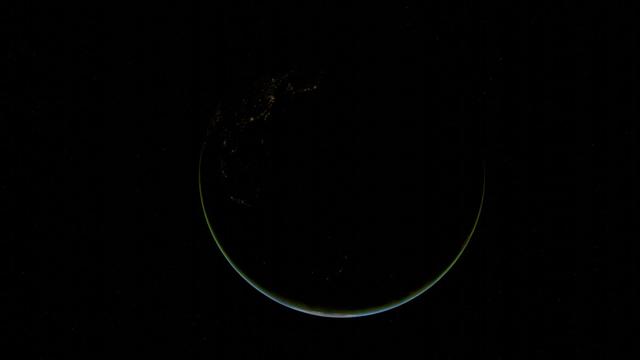
A 36-year sweep of orbital debris has found the solar threshold where Earth’s upper atmosphere starts pulling space junk down faster, just as mega-constellations crowd low orbit
Solar Cycle 25 has already reached its solar maximum period, and a new long-term study of orbital debris points to a practical warning for the satellite age: once sunspot numbers climb past roughly two-thirds to three-quarters of a cycle’s peak, debris in low Earth orbit can begin losing altitude much faster. That does not mean […]