 KillBait News
Health Risks of Victorian-Era Baby Feeding Bottles
📰 Original title: The Dangers of the Baby Feeding Bottles in the Victorian Era
🤖 IA: It's clickbait ⚠️
👥 Users: It's clickbait ⚠️
View full AI summary: https://en.killbait.com/health-risks-of-victorian-era-baby-feeding-bottles.html?utm_source=mastodon_world&utm_medium=social&utm_campaign=killbait.mastodon_world
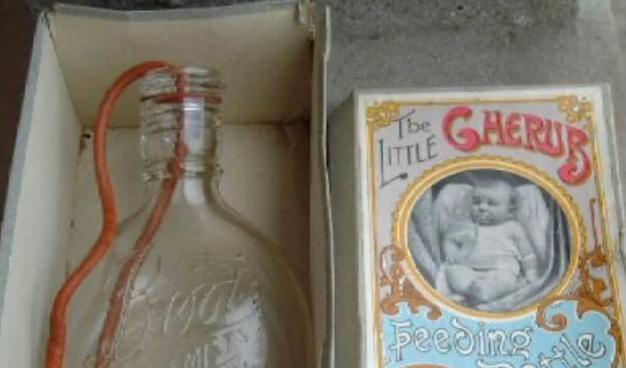
Health Risks of Victorian-Era Baby Feeding Bottles
Patented in the late 1870s, Victorian-era baby bottles, often called 'banjo' bottles due to their shape, were designed to allow infants to feed themselves. They carried charming names like 'My Little Pet' and 'Mummies Darling,' as well as nationalistic or popular references such as 'The Empire,' 'The Princess,' and 'The Alexandria.' Despite their appeal, these bottles posed serious health risks. The slanted design made them difficult to clean, and the rubber stoppers and tubing were prone to harboring bacteria, which could easily infect vulnerable infants. Recommendations at the time, such as those from Mrs. Isabella Beeton's 1861 'The Book of Household Management,' suggested infrequent cleaning and long-term reuse of teats, further increasing the danger. The combination of poor hygiene practices and materials led to these bottles being nicknamed 'The Killer' or 'The Murderer.' While they offered independence for children, the hidden dangers highlight the lack of understanding of infant hygiene in the Victorian era and the risks posed by early self-feeding devices.