
"For seven weeks, American and Israeli air power dominated Iranian skies. High-altitude surveillance, precision strikes on military infrastructure and apartment buildings in Tehran, and near-uncontested flight paths defined the opening phase of the conflict. Iran absorbed the blows and responded not with the guerrilla tactics of Baghdad’s roads but with long-range missiles, mass-produced drones, and a defensive posture that held the line.

In the final days before the ceasefire, an F-15 and an A10-warthog were downed by optical tracking systems. Whether this was a replicable technical achievement or a fortunate anomaly remains to be seen. What was not ambiguous, however, was the fact that Iran was able to close off the Strait of Hormuz to maritime traffic. In response, global energy markets convulsed. The war had become a world event.

Politics also shifted in Iran. Just a few months ago, in January, the main question there was economic. Inflation. Housing. The price of food. The Masoud Pezeshkian government’s austerity package had hollowed out household budgets and sent tens of thousands into the streets. Today the question is imperial. The war has not erased material suffering — it has reframed it. The choice presented to every Iranian is no longer about fiscal policy or subsidy reform. It is about sovereignty versus incorporation into an imperial order that already governs much of the region.

Donald Trump’s ill-advised war has revealed Iran as a unique formation in modern history: a neoliberal anti-imperialist state. Austerity at home, resistance abroad. On paper, a contradiction, in practice, the state’s operating logic. This is why Iran oscillates between protests against austerity and displays of national solidarity — sometimes within the same month."

https://jacobin.com/2026/05/neoliberalism-austerity-war-political-economy-iran

#Iran #PoliticalEconomy #Austerity #USA #War #Trump #Imperialism
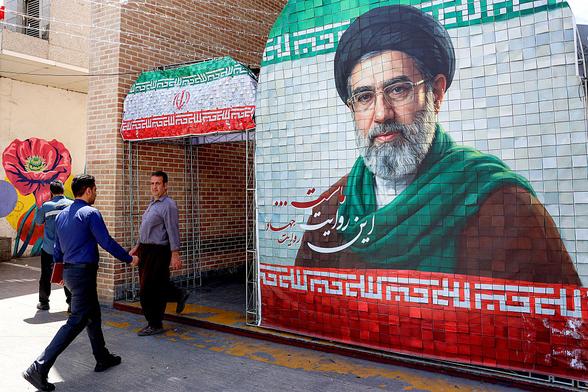
Wartime Iran’s Political Transformation

The US-Israeli war on Iran has strengthened the power of a section of Iran’s elite that earns money in dollars from the sale of oil and petrochemicals. This has unified the state and its elite around an anti-imperialist project but at the cost of permanent austerity.

"By December 2025, the material conditions for unrest were fully formed. The pressure points were food and housing, not gasoline. Inflation was at record levels. The state had imposed a regressive tax regime while protecting the asset-holding class that sanctions had paradoxically enriched. The question in the streets was economic. It was about distributive justice. It was about who pays for the state’s survival.

The protests began in rural areas and the bazaar and spread to major cities within a week. What started as an expression of economic grievance was rapidly transformed by external intervention. Fanning the flames, Reza Pahlavi, the exiled son of the deposed shah, issued a public call for escalation. Iran International, the satellite channel with documented ties to Israeli intelligence networks, amplified the protests and provided tactical coverage.

What followed was the greatest tragedy in contemporary Iranian history. Over the span of two days, thousands lost their lives, and many more were injured. The details of the crackdown are grim and well documented elsewhere.

Both the state and the Pahlavi camps had an interest in burying the economic angle. The protests were swiftly reframed as a civilizational clash: Islamic Republic versus monarchical restoration. Both sides gained from this framing because neither could offer a credible answer to the material grievances that had brought people into the streets. Neither had redistributive policies to propose. Neither wanted to talk about the VAT hike, the forex shock, or the rising price of food and rent. So they didn’t. The economic origin story was erased. And so January became about security and treason for one side and freedom and democracy for the other."

"The austerity measures of December 2025 were not a betrayal of the anti-imperialist project. They were its logical extension. Devalue the rial to stretch the budget. Put in place a regressive tax so ordinary people pay more. Protect the dollar earners because they are the ones moving oil through the dark fleet. The neoliberal half and the anti-imperialist half are not in tension. They have become one and the same.

And what would sanctions relief bring under either option? Neither the Islamic Republic nor its exiled opposition has shown any commitment to distributive justice. Both are embedded in the same dollar-linked networks, just with different patrons. If sanctions are lifted, the oligarchy will capture the benefits. Ordinary people will see some improvement. The rial will stabilize. Inflation will be better managed. But the underlying structure — the fusion of state power and private extraction — will remain. The war forced a choice between two fractions. Neither offers what ordinary Iranians actually need: an economy that works for them, not just for the people who own it."