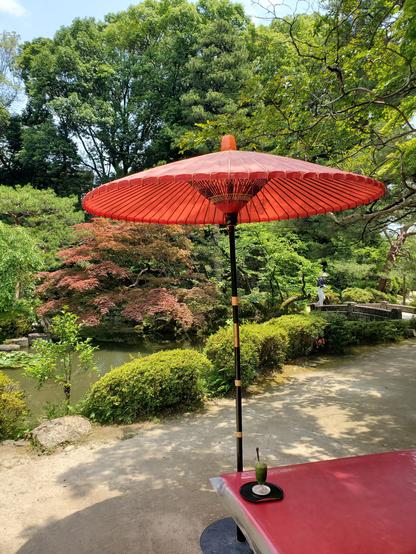
🌞🥤'RIKKA' REFRESHMENTS🌊🏖️

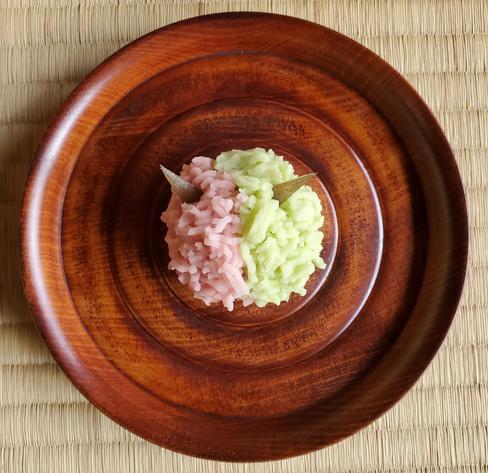
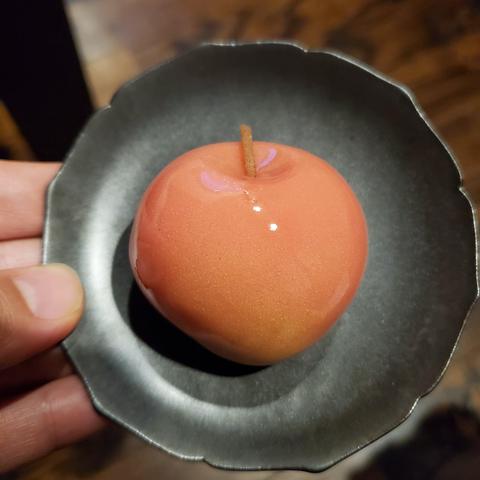
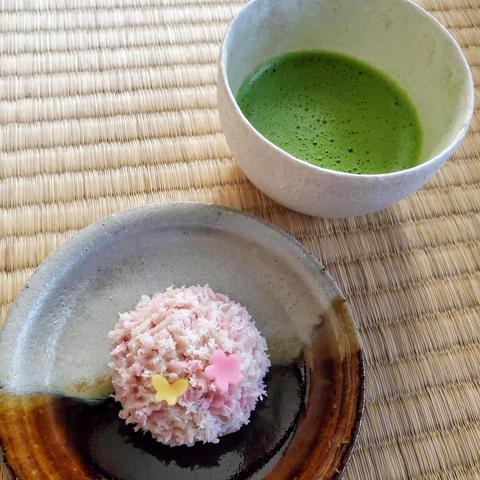
'Rikka' (立夏) is the beginning of summer in the traditional calendar. It's marked by 'frogs singing' (蛙始鳴 May 5th-9th), 'worms surfacing' (蚯蚓出 10th-14th), bamboo shoots sprouting (竹笋生 15th-20th), and more sweets than you can shake a stick at🙌
#立夏 #rikka #summer
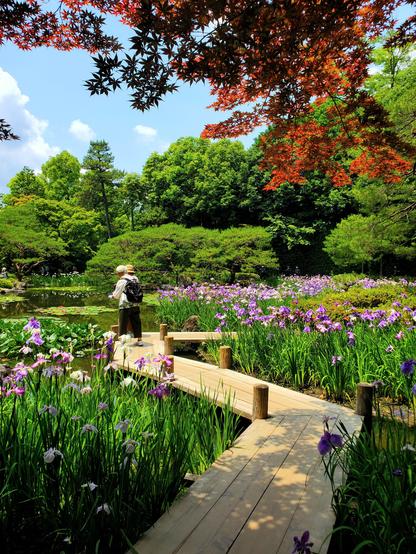
running messages, wagtail
for the shrine's god?
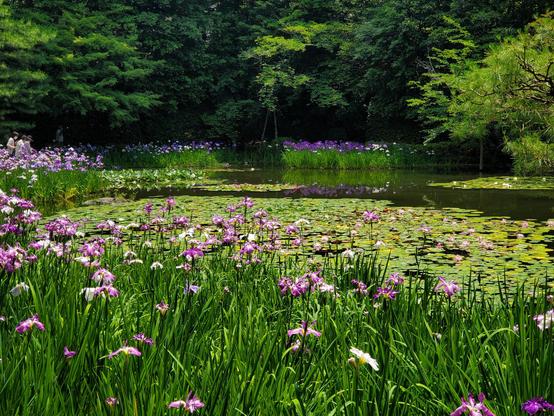
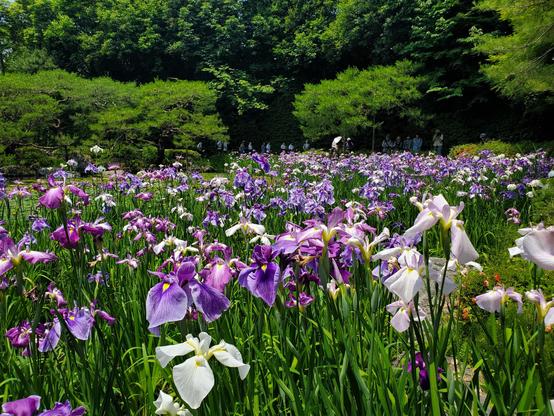
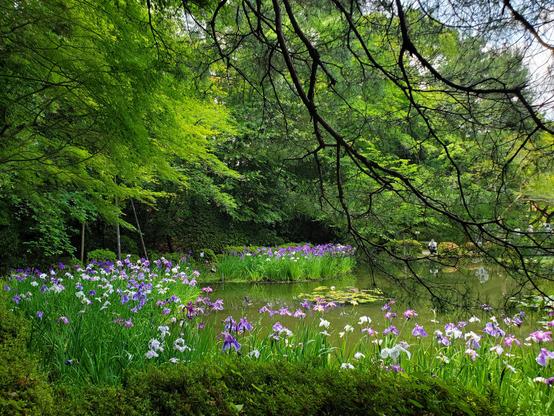
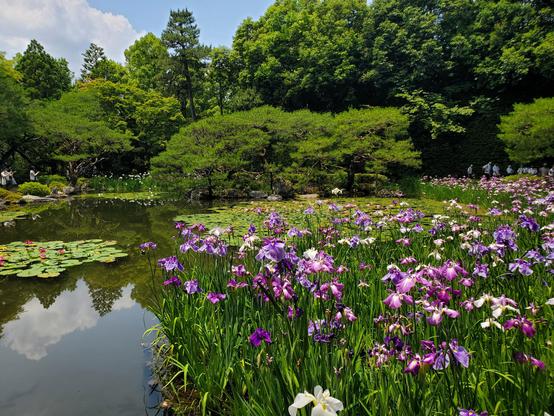
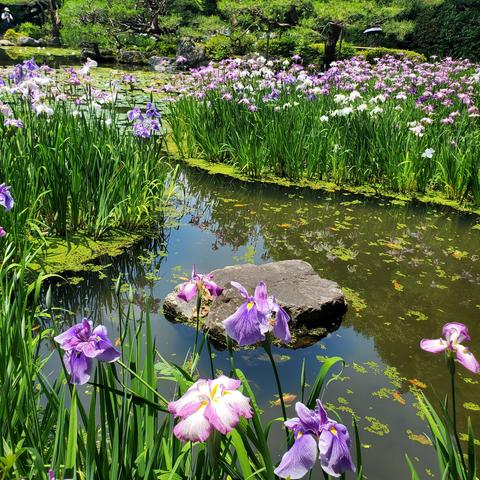
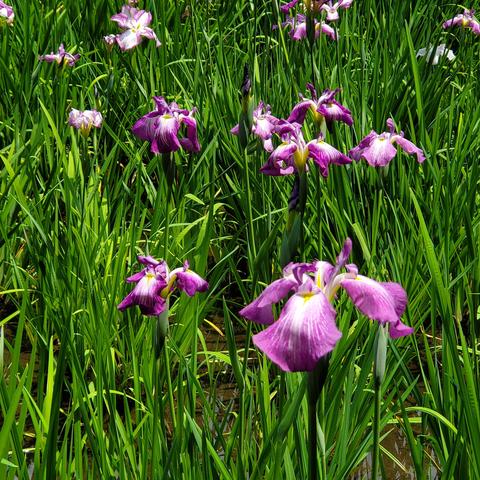
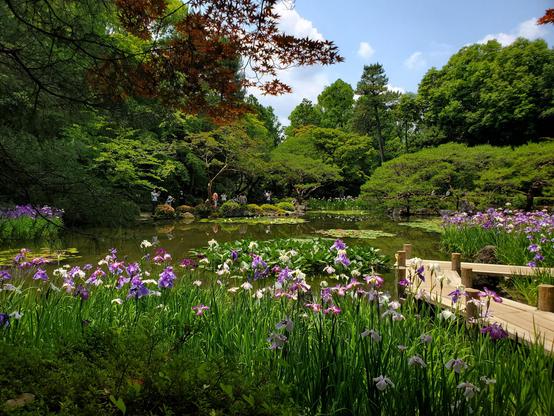
irises
鶺鴒は神の使かかきつばた
-Kobayashi Issa (小林一茶), 1810.
Trans. David G. Lanoue.

the long skinny snake's
Shinto shrine...
irises
細長い蛇の社や杜若
-1818.

#Kyoto #irises #Japan #京都 #菖蒲 #haiku

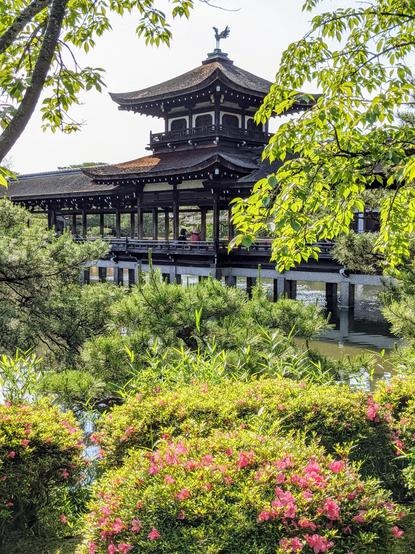
After the shock of losing both the emperor and its status as capital in 1868, Kyōto embarked on a series of prestige projects to help revive trade, tourism and its damaged ego.

Heian Jingū, the Lake Biwa Canal, the geisha dances and the Jidai Matsuri were all born at this time.

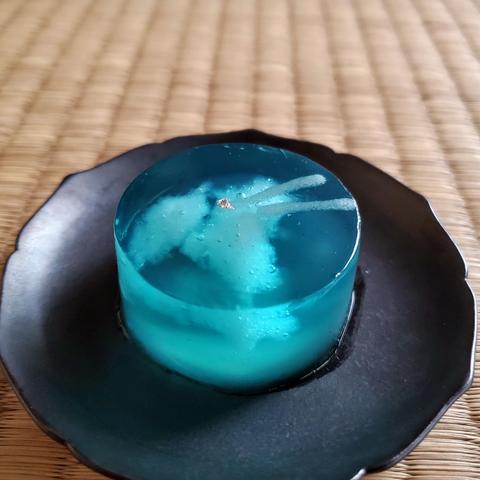
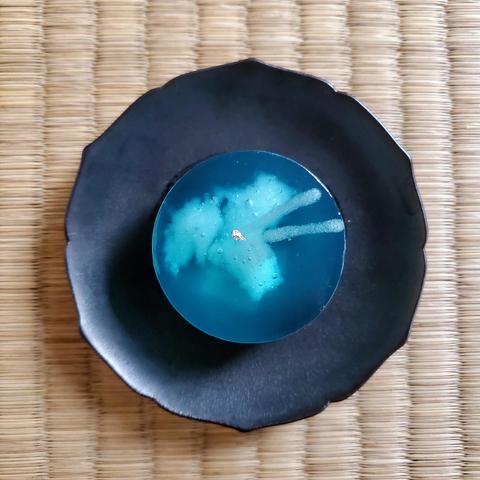
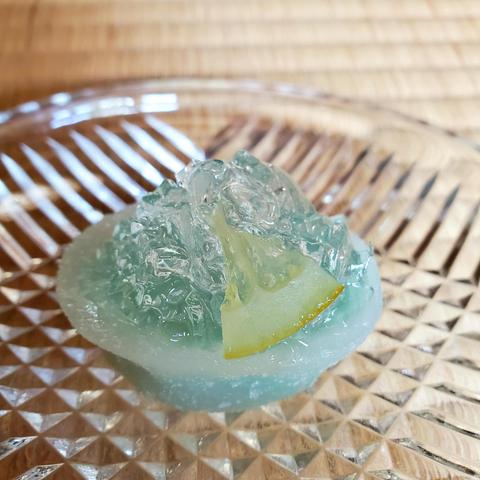
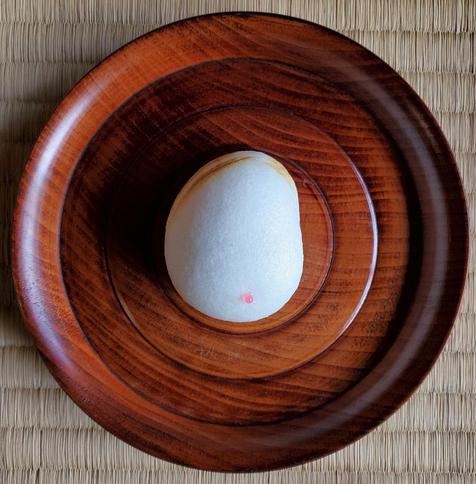
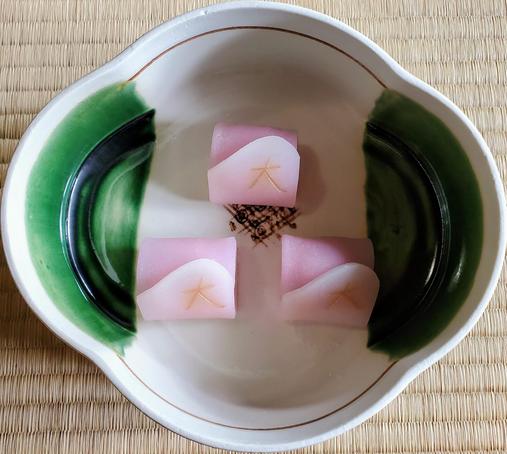
Kameya Yoshinaga (亀屋良長) has done the impossible and perfectly captured the blue skies and cotton puff clouds of May in sweet form☺️

The wonderful 'hikōki-gumo' (ひこうき雲)✨

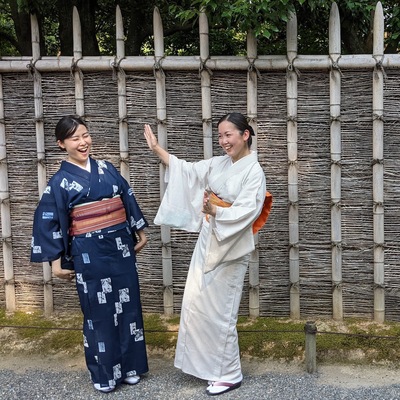
summer kimonos
the color of blue sky...
morning pilgrimage
帷子の青空色や朝参り
-Issa, 1822.

The store's survival is credited to a small shrine called Takenobu-jinja (武信神社)

In the Edo period Kameya Yoshinaga (亀屋良長) fell on hard times and came close to shutting down.
But then a white-bearded man visited their shop...

The old man (god of Takenobu-jinja) shared a recipe for 'kōrimochi' (氷餅), a type of mochi made with extra water, moulded into rectangular blocks, tied with straw and left outside on cold days to freeze dry.

Thanks to this sweet, popular with tea masters, the store flourished.

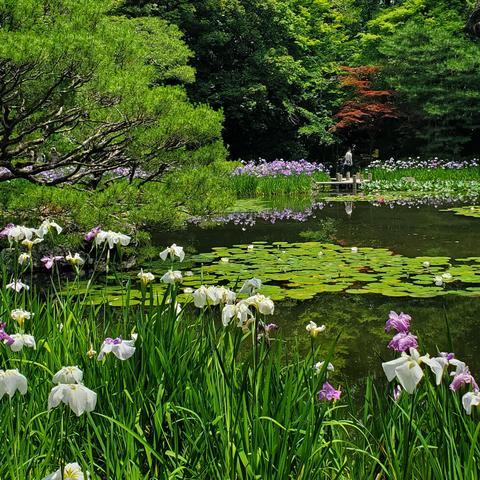
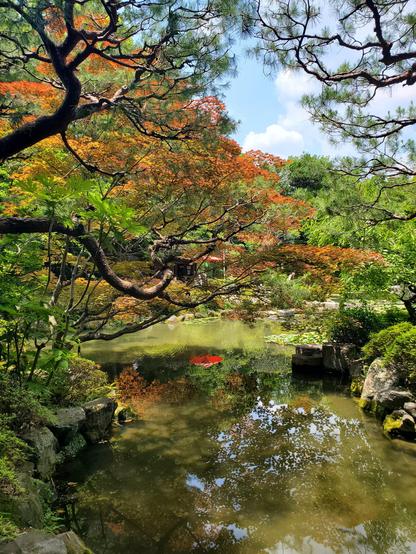
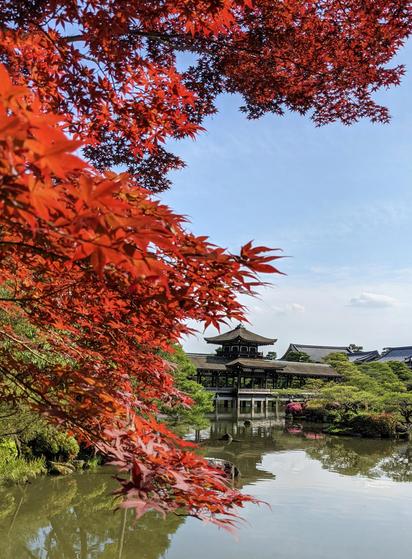
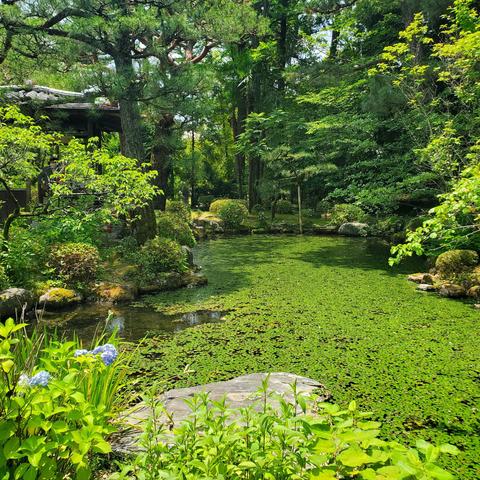
Heian Jingū's (平安神宮) sprawling 33060m2 'Shin-en' garden (神苑) is divided into 4 parts: Higashi (東神苑-East), Naka (中神苑-Middle), Nishi (西神苑-West), and Minami (南神苑-South).
Beginning in 1895, it took Ogawa Jihei VII (小川治兵衛 1860-1933) 20 years to finish the first 3.
In 1968 Nakane Kinsaku (中根金作 1917-95) began work on a new garden, inspired by plants mentioned in a variety of Heian period works. After years of planning, 'Minami Shin-en' (南神苑), known also as 'Heian-no-en' (平安の苑), was landscaped & fully planted in 1981.
#Kyoto #京都
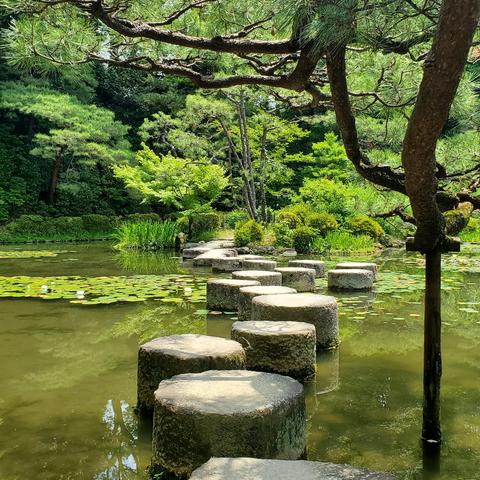
Ogawa Jihei created the 'Reclining Dragon Bridge' (臥龍橋 'Garyū-kyō') by using 14 stone pilings recycled from the old Sanjō Ōhashi (三条大橋-built by Toyotomi Hideyoshi). In total Ogawa incorporated 50 stones salvaged from the rebuilding of Sanjō & Gojō Bridges into the garden.
@camelliakyoto
@treleanor
Iris heaven😊🤩
@RHW @camelliakyoto You remembered! 😊
@treleanor @camelliakyoto
Envious of your border😊Hope they return this year.Also hope you are feeling better today and new dentist is good.
@RHW Thanks! Just home from the dentist, very happy. 🪥