"Turkey and South Korea are discussing the joint construction of a nuclear power plant, the latest of recent efforts by Ankara to diversify its energy sources.

[In addition] state-run energy companies Turkish Petroleum Corp. and Botas are exploring investments in Canadian oil and gas fields.
Ankara is also ramping up oil exploration in the Black Sea, including in a partnership with Shell off the coast of Bulgaria."
https://www.bloomberg.com/news/articles/2026-03-13/turkey-moves-toward-nuclear-in-bid-to-diversify-energy-sources

Turkey Moves Toward Nuclear in Bid to Diversify Energy Sources

Turkey and South Korea are discussing the joint construction of a nuclear power plant, the latest of recent efforts by Ankara to diversify its energy sources.

Bloomberg.com

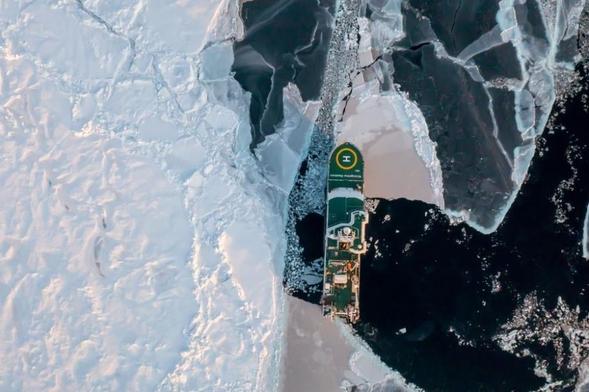
"South Korea is considering providing additional energy vouchers to subsidise vulnerable households if rising global fuel prices in the wake of the Middle East crisis push up electricity costs.

Asia's fourth-largest economy is also preparing to ​boost nuclear and coal-fired power generation in the event that oil prices remain high and ​liquefied natural gas (LNG) supplies are disrupted."
https://www.reuters.com/sustainability/boards-policy-regulation/south-korea-says-considering-energy-vouchers-boosting-coal-nuclear-power-2026-03-13/

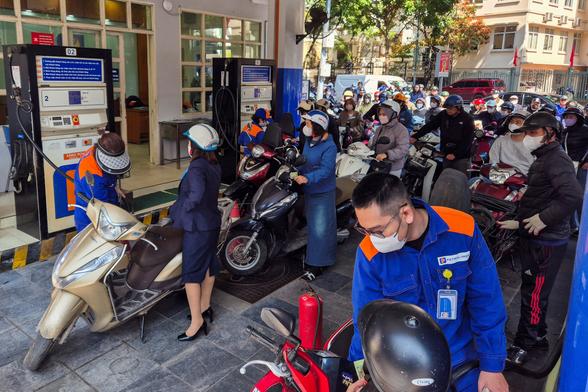
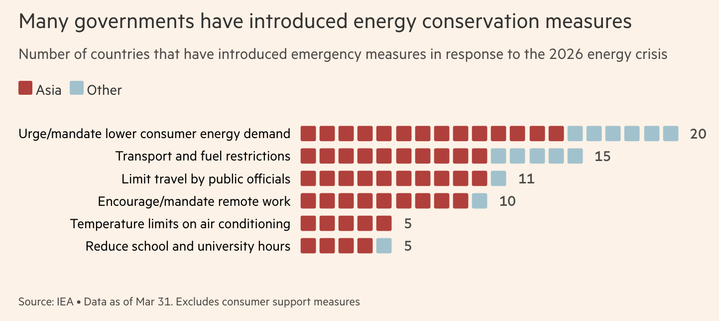
"Work-from-home orders came back in some countries after years of companies trying to coax workers back to offices after the pandemic, with Vietnam and Thailand reportedly getting employees to work remotely."
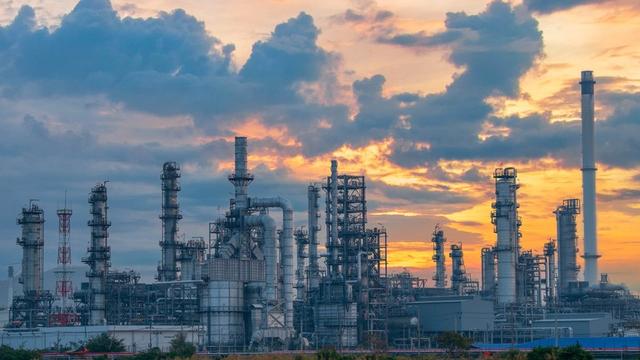
I don't know why the article calls this rational strategy "quirky".

https://www.cnbc.com/2026/03/15/price-caps-and-stairs-how-nations-are-coping-with-the-iran-oil-shock.html

By the way: what you hear about now is the reaction of *governments* to the oil price shock.

You will not hear about families - potentially millions - huddling around their kitchen table to see if the family finances allow for buying or leasing rooftop solar -- until one day it becomes a "surprise" story.

This is what happened in Pakistan, which went from "from an inconsequential solar market to the sixth-largest in the world."

See this post and others in the thread:

https://mastodon.social/@CelloMomOnCars/113579663354525712

"Governments ​including Italy and ⁠Hungary are urging Brussels to weaken its climate policies to provide short-term cost relief for industries.

Stiell will warn that doing this would be "completely ​delusional", according to prepared remarks for an event in Brussels where he ​will argue ⁠the shift to renewable energy means cheaper power and jobs in clean-technology industries."

https://www.reuters.com/sustainability/cop/iran-war-an-abject-lesson-fossil-fuel-dependence-un-climate-chief-says-2026-03-16/

The International Energy Agency reminding governments of demand-related policy measures, same as the ones used during the 1970s oil crisis.

Reduce highway speed limits;
Encourage public transport;
Alternate private car access to roads in large cities on different days

... and a contemporary one:
Work from home.

https://www.iea.org/news/new-iea-report-highlights-options-to-ease-oil-price-pressures-on-consumers-in-response-to-middle-east-supply-disruptions

UK:

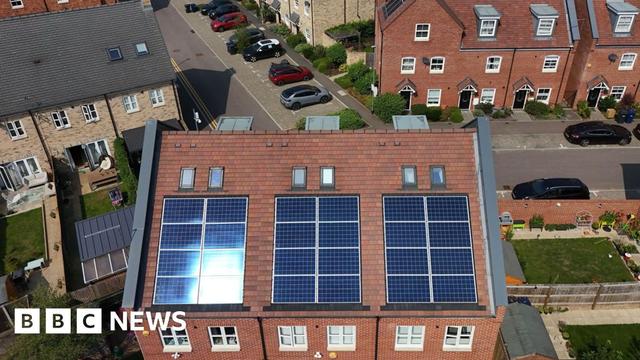
"The guidance published on Tuesday means that from 2028, no new homes will be on the gas network - and will instead be on a heat network or get a heat pump - and they must have solar panels on their roofs covering an area equivalent to 40% of the ground floor space.

It also said plug-in panels that homeowners can self-install on balconies would be available in supermarkets in the coming months."

https://www.bbc.com/news/articles/czjw7klkjm2o

Heat pumps for all new homes and plug-in solar in green tech drive

Solar panels that can be plugged in at home could be available to buy in supermarkets in the coming months.

"Countries that invested in renewable energy in 2022 are better able to withstand the current fuel crisis, experts say.

In 2022, some European governments tried to cut dependence on fossil fuels. But many soon focused on finding new fossil fuel suppliers instead.

Europe’s excess spending on fossil fuels since the Russia-Ukraine War amounted to about 40 per cent of the investment needed to transition its power system to clean energy, according to a 2023 study."

https://www.euronews.com/2026/03/20/europe-learned-the-wrong-lesson-by-doubling-down-on-fossil-fuels-while-india-and-china-wen

‘Europe learned the wrong lesson’ on energy from Russia-Ukraine war

Countries that invested in renewable energy in 2022 are better able to withstand the current fuel crisis, experts say.

euronews

"The rule-of-thumb that what is bad for fossils is good for renewables applies. And the Middle East conflict is definitely bad for oil and gas. It has once again exposed, dramatically, the vulnerability of many countries to oil and gas dependency.

While the present fossil supply shock disproportionately affects Asia, all energy importing countries will suffer, and their motivation to make themselves less dependent on oil and gas imports will rise. "

https://www.dnv.com/energy-transition-outlook/the-war-in-iran-and-effects-on-the-global-energy-transition/

The war in Iran and effects on the global energy transition

This note presents initial thinking from DNV’s Energy Transition research team on the implications of the war in Iran on the global energy system and the energy transition.

DNV

"On Tuesday, the Philippines became the first country to declare a state of national energy emergency. South Koreans have been advised to take shorter showers and charge their phones during the day to conserve electricity. Japan begins its biggest-ever release of emergency oil reserves this week.

Thai farmer Theerasin told CNN that if the uncertainty over securing fuel continues, he would re-think planting his next crop in May."

https://www.cnn.com/2026/03/25/asia/asia-hormuz-energy-austerity-fuel-intl-hnk

Asia embraces energy austerity as dire fuel shortages force Philippines to declare national emergency

As the war with Iran drags on, energy-starved nations in Asia –– including close US allies –– are resorting to increasingly extreme measures to keep their economies afloat.

CNN

"France's Finance Minister Roland Lescure revealed on Wednesday that between 30 and 40 per cent of Gulf refining capacity has been damaged or destroyed by Iran's retaliatory strikes, leaving a shortage of 11 million barrels a day on global oil markets. Lescure warned it could take up to three years to restore damaged facilities, and several months to restart those that were urgently shut down."

https://www.france24.com/en/france-confirms-oil-crisis-says-30-40-gulf-energy-infrastructure-destroyed

Business - France confirms oil crisis, says 30-40 percent of Gulf energy infrastructure destroyed

France's Finance Minister Roland Lescure revealed on Wednesday that between 30 and 40 per cent of Gulf refining capacity has been damaged or destroyed by Iran's retaliatory strikes, leaving a shortage of 11 million barrels a day on global oil markets. Lescure warned it could take up to three years to restore damaged facilities, and several months to restart those that were urgently shut down.

FRANCE 24

"Studies suggest that most Southeast Asian countries have enough reserves of oil and LNG to last only 20 to 50 days.

In the wake of recent events, regional leaders are rethinking their attitude toward renewables. Indonesia’s government—not known for moving quickly—is making concerted efforts to speed up solar and geothermal power projects. Construction of new solar and geothermal power plants is slated to begin later this month."

https://www.cfr.org/articles/the-iran-war-is-reshaping-asias-energy-security-strategies

The Iran War Is Reshaping Asia’s Energy Security Strategies | Council on Foreign Relations

The impact of the oil and LNG shock has been pronounced in Asia, where many leading economies produce limited amounts of nuclear energy and depend heavily on imported fossil fuels from the Middle East.

Australia:

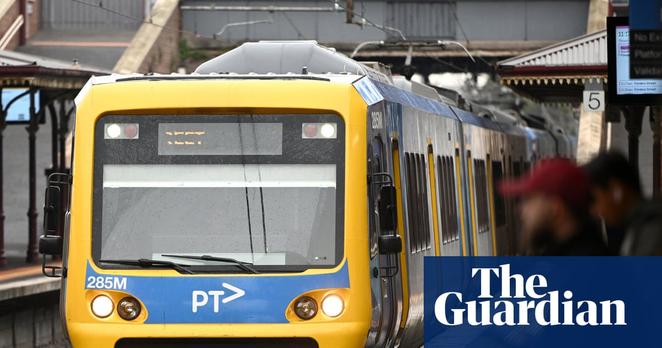
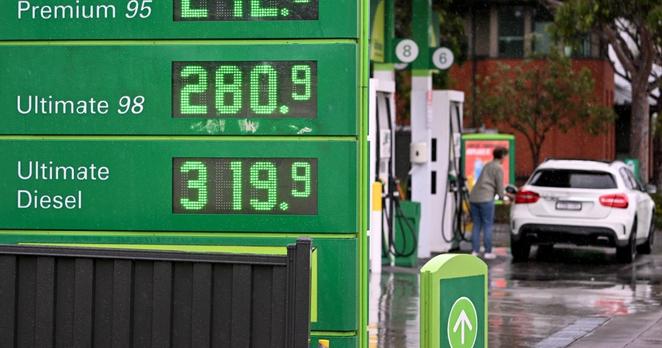
"Public transport will be free in Victoria for a month, and in Tasmania until July, in an effort to encourage people to switch from driving and alleviate the surge in demand for fuel."

https://www.theguardian.com/australia-news/2026/mar/29/victoria-free-public-transport-april-petrol-prices

Would love to see the result of this unintended pilot for free public transit.

Victorians and Tasmanians get free public transport as state governments seek to ease surge in fuel demand

Allan government says measure is temporary as energy shock from Middle East conflict sees petrol prices soar

The Guardian

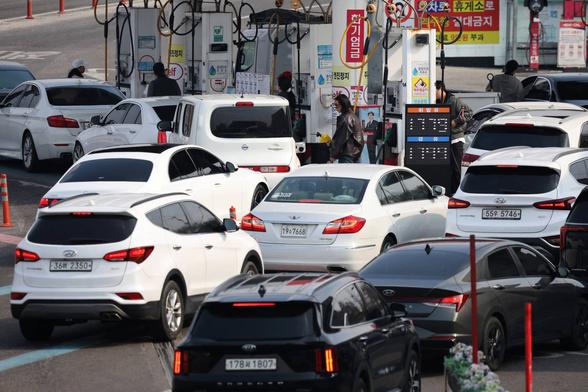
"South Korea has already imposed driving restrictions on civil servants, curbing how often they can access government buildings by car based on the last number of their license plates. Expanding restrictions to the private sector would be the first such move since the 1991 Gulf War. It would also signal heightened concern over a looming energy shock for an economy that is a key player in global tech supply chains."

https://www.japantimes.co.jp/news/2026/03/30/asia-pacific/south-korea-driving-curbs-oil/

South Korea weighs first driving curbs in 35 years on oil crunch

The country has already imposed driving restrictions on civil servants, curbing how often they can access government buildings by car.

The Japan Times

"In a bid to quickly lower electricity costs, a growing number of Democratic-governed states are pulling money away from programs to save power and boost renewable energy, often by cutting charges on utility bills or redirecting those funds toward customer rebates."

https://www.politico.com/news/2026/03/30/democrats-energy-affordability-climate-00848073

The affordability crunch is pushing Democrats to scale back climate ambitions

The upfront costs of transitioning to clean energy and worries about rising utility bills are forcing tough choices for Democratic leaders.

Politico

"European Union governments should prepare for a prolonged disruption to energy markets as a result of the Iran war, the bloc's energy chief has told ministers ahead of an emergency meeting on Tuesday.

JET FUEL SEEN AS MOST EXPOSED
The last kerosene shipments that ‌passed ⁠through the Strait of Hormuz before its closure are due to arrive in Europe around April 10."

https://www.reuters.com/business/energy/eu-tells-members-prepare-prolonged-disruption-energy-markets-iran-war-2026-03-31/

"Governments across Asia are ramping up their use of coal, the dirtiest fossil fuel, as they try to cover huge energy shortfalls triggered by the US-Israel war on Iran.

Almost 30bn cubic meters of LNG has been removed from global supply chains, of which more than 80% is missing in the Indo-Pacific region.

Gloystein added it will take years to recover LNG supplies."

https://www.theguardian.com/world/2026/apr/01/iran-energy-crisis-asia-dirty-fuels-coal

Asia ramps up use of dirty fuels to cover energy shortfall triggered by Iran war

South Korea will delay the shutdown of coal-fired plants, while the Philippines also plans to boost the output of its coal-burning plants

The Guardian

This piece points out that the amount of extra coal being put to use now is small compared to that used on an ongoing basis.

Also there is demand destruction as governments and people conserve energy to save money.

https://www.bloomberg.com/opinion/articles/2026-04-01/iran-war-the-lng-shock-isn-t-driving-asia-back-to-coal

Good interactive showing how East Asia and developing countries reliant on fossil fuel imports are hardest hit, and government policies implemented.

https://www.ft.com/content/a9f56d68-4cdd-47f7-873e-ca6ac0ea8962

This is what demand destruction looks like (besides families making their own decisions).

Tiered rates are socially-just rates.

Egypt's electricity ministry "said electricity prices for residential consumption bands of up to ​2,000 kilowatt-hours per month would remain unchanged, while tariffs for higher ​residential brackets would rise by an average of 16%. Commercial electricity prices across all ‌brackets ⁠would increase by an average of about 20%, it added.

The ministry said lower-consumption households would be shielded ​from the increases."

https://www.reuters.com/business/energy/egypt-raises-electricity-prices-higher-use-households-businesses-april-2026-04-04/

"Countries in South Asia have unveiled ​a number of measures to tackle the energy crisis ‌triggered by the U.S.-Israeli war on Iran, which has squeezed supplies and raised prices.

Here is a look at some of the measures rolled ​out so far."

https://www.reuters.com/business/energy/how-is-south-asia-tackling-iran-war-driven-energy-crisis-2026-04-06/

Some governments reducing hours for government employees, cutting down on fuel needed for commuting.

The last ship carrying jet fuel arrived in the port of Rotterdam this past week.
"Europe's airports have begun imposing restrictions on refueling due to a shortage of jet fuel, and airlines have preemptively canceled flights.

In Bangladesh, the fuel shortages and panic have resulted in a spike in robberies, as people raid gas stations and fuel trucks in order to stockpile supplies."

https://time.com/article/2026/04/05/strait-of-hormuz-fuel-rationing-oil/

The Strait of Hormuz Crisis Is Driving a Wave of Global Energy Rationing

Countries are rationing fuel, cutting flights, and paying families cash just to keep moving

Time

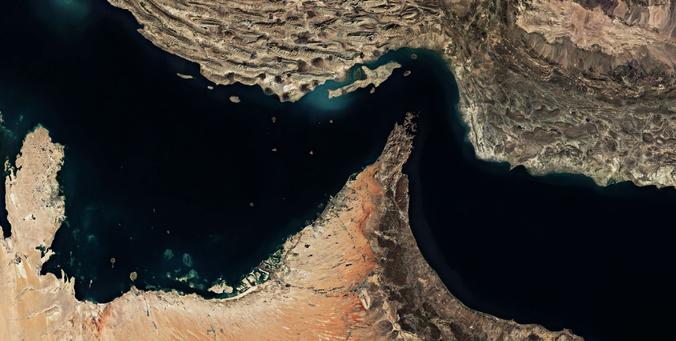
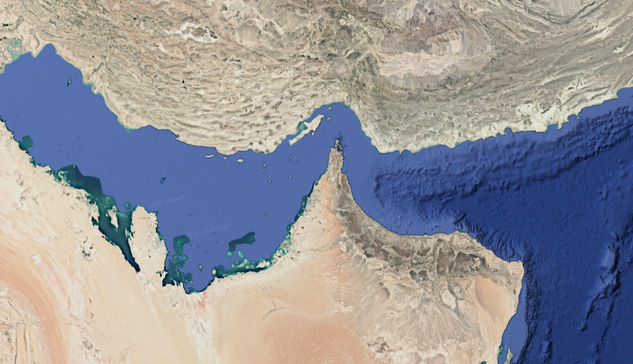
"EU Commission spokesperson ​Anna-Kaisa Itkonen told reporters ⁠that around 8.5% ​of the bloc's LNG, ​7% of its oil and 40% of its jet ​fuel and diesel ​travels through the Strait of Hormuz, ‌which ⁠Iran has mostly blocked access to during the war."

https://www.reuters.com/business/energy/energy-crisis-stemming-iran-conflict-will-not-be-short-lived-eu-says-2026-04-08/

40% of jet fuel.
Europe needs to build out its high speed rail network to avoid repeated travel shocks.

Frank Elderson, board of ECB:
"Europe cannot eliminate geopolitical risk, but it can significantly reduce its exposure to it. The most effective way to do that is by cutting reliance on imported fossil fuels and accelerating an orderly shift to homegrown clean energy.:

The investment may be € 660 bn a year.
Sounds like a large number (it is) until you remember that Europe spends € 400 bn a year on fossil fuel imports.

https://www.ft.com/content/6fa21bdb-1387-4fb8-afc9-3d0b53affa58

Europe’s fossil fuel dependence poses risks to price stability

Repeated cost shocks make a transition to cleaner energy critical

Financial Times

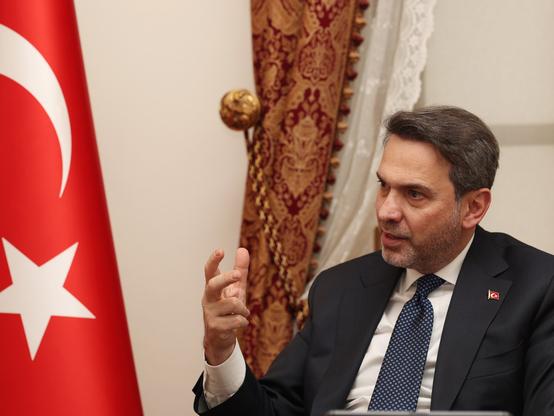
Meanwhile, Turkish Energy and Natural Resources Minister Alparslan Bayraktar speaks of a gas pipeline here and an oil pipeline there.

Still thinking inside the fossil fuel box.

https://www.aljazeera.com/news/2026/4/9/energy-crisis-is-the-mother-of-all-crises-turkish-energy-minister

Global energy crisis is ‘the mother of all crises’: Turkish energy minister

Turkiye is a key regional energy hub due to its investments, location and oil reserves, the minister tells Al Jazeera.

Al Jazeera

France announces ban on gas boilers in new buildings starting in 2027

Also, "starting in June, the government will subsidize 50,000 more electric vehicles through reduced-rate leases for high-mileage drivers hit by fuel price spikes, such as health aides, nurses and tradespeople who rely on cars for work. Businesses will get aid for electric vans and trucks, up to €100,000 per vehicle – including, for instance, cargo bikes sought by last-mile delivery firms."

https://www.lemonde.fr/en/environment/article/2026/04/10/france-announces-ban-on-gas-boilers-in-new-buildings-starting-in-2027_6752297_114.html

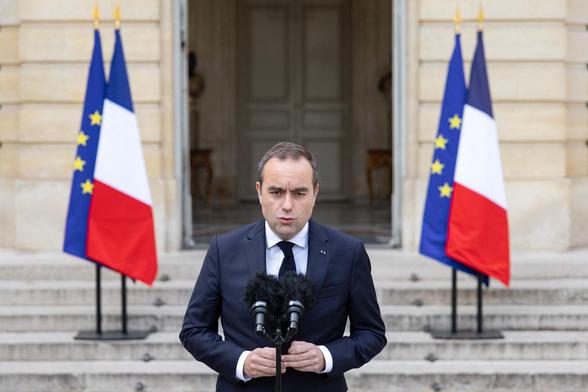
France announces ban on gas boilers in new buildings starting in 2027

French Prime Minister Sébastien Lecornu also announced on Friday a doubling of support for electrification by 2030, from €5.5 billion to €10 billion annually.

Le Monde

This is one way to cut carbon emissions.
Accelerating the energy transitions is a less painful way.

"The ​European Union warned member countries on Wednesday that if the Iran conflict ‌continues, energy markets will face a prolonged supply shock that would force cuts to fuel consumption, EU diplomats told Reuters."

https://www.reuters.com/sustainability/boards-policy-regulation/eu-warns-prolonged-energy-shock-forced-cuts-if-iran-war-continues-2026-04-15/

"Per capita fossil energy peaked after the twin oil shocks of the 1970s and never recovered.

The parallels with the 1970s oil shocks are striking. But so too is the difference. For the first time, there are scalable, cost-competitive alternatives.

The shock has jolted the electric age forward. But the response is a choice: lean into local, electric security, or reach back to the old fossil playbook."

https://ember-energy.org/latest-insights/the-new-twin-fossil-shock/

The New Twin Fossil Shock | Ember

How the energy crises of the 2020s speed up the electric age

Ember

"Japan said on Wednesday it would establish a financial framework worth about $10 billion to help Asian countries procure energy resources and bolster their stockpiles as Middle East tensions drive prices higher and disrupt supply chains.

The support [is] aimed at preventing knock-on effects on Japan's ​own supply chains."

https://www.reuters.com/business/energy/japan-plans-10-billion-framework-help-asia-secure-oil-2026-04-15/

"The current increase in coal utilisation reflects its role as a “shock absorber” in India’s energy mix.

The central risk facing India today is not an immediate energy crisis, but long-term lock-in. Every new coal plant, gas pipeline, or LNG terminal represents a commitment to decades of fossil fuel use."

https://climateactiontracker.org/blog/breaking-the-cycle-of-energy-shocks-indias-renewable-opportunity/

Blog: Breaking the cycle of energy shocks: India's renewable opportunity

IEEFA:
There is a stampede to build new fossil gas plants.
It is misguided.

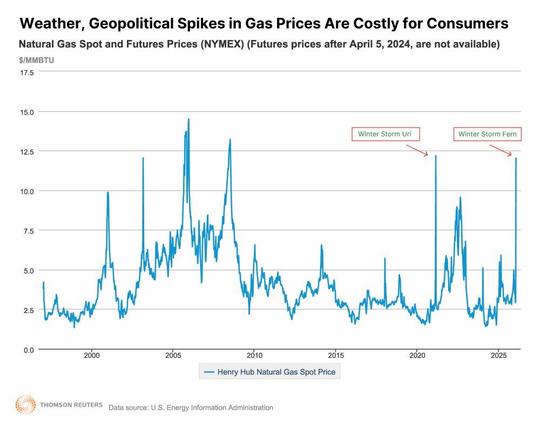
"The price of new combined-cycle gas plants is roughly triple the cost of projects built in the early 2020s and orders placed now likely will not be fulfilled until 2030, or later."

Wind and solar, paired with dispatchable battery storage, are cheaper to build, and they have no fuel costs.
Cost to consumers will be stable, and lower.

https://ieefa.org/resources/misguided-stampede-build-gas-power-plants

The misguided stampede to build gas power plants

Consumers face significant risks from spikes in natural gas prices caused by weather and geopolitical events; these risks rise in relation to the amount of new gas-fired capacity added to the grid.

Demand destruction

"The IEA sees global oil demand falling ‌by 80,000 barrels per day (bpd) this year, compared with a projected year-on-year rise of 640,000 bpd in its previous monthly report.

“Demand destruction will spread as scarcity and higher prices persist,” the IEA report said"

https://www.aljazeera.com/news/2026/4/14/global-oil-demand-to-plunge-amid-middle-east-war-disruptions

Global oil demand to plunge amid disruptions caused by war on Iran: IEA

The IEA’s oil ‘demand destruction’ report comes after its chief said unnamed countries are hoarding stocks.

Al Jazeera

"Opening up of parts of the public estate for renewable energy projects, including brownfield, industrial and railway sites, would potentially allow up to 10 gigawatts of new ⁠capacity, according ​to the government's plans.

It will overhaul planning and land-use rules to ​speed up grid connections and infrastructure upgrades, and aim to make it easier for renters and apartment dwellers to install EV chargers, solar ​panels and heat pumps."

https://www.reuters.com/business/energy/uk-accelerates-clean-energy-protect-against-fossil-fuel-price-shocks-2026-04-20/

"The EU will cut electricity taxes and provide consumers with fresh incentives to ditch fuel-burning cars and boilers, the European Commission has announced, as the energy crisis from the Iran war speeds a shift to a clean economy.

The plan, which foresees tweaking rules so that electricity is taxed less than oil and gas, aims to bring down bills while encouraging the move away from polluting devices that prolong reliance on foreign fuels."

https://www.theguardian.com/environment/2026/apr/22/eu-plans-cut-electricity-taxes-shield-households-iran-war-energy-crisis

EU plans to cut electricity taxes to shield households from Iran war energy crisis

Brussels will relax state aid rules to allow member countries to offer ‘targeted and temporary’ support

The Guardian

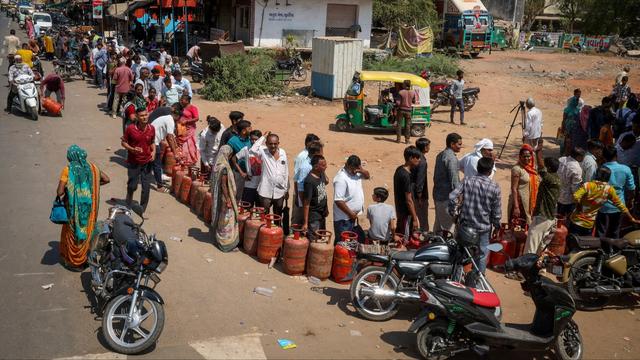
Most Indian households cook with LPG, accounting for 85-90% of imported LPG that must go through the Strait of Hormuz.
Restaurants and hotels make up the rest of the LPG demand.

There has been a run on induction cookstoves.

https://www.ft.com/content/4b9ab34a-191e-459d-90a8-ce148888ffed?syn-25a6b1a6=1

No dosa today: India’s cooking gas crisis

Households are buying up induction stoves and chaiwalas have closed as Iran conflict hits the country’s supply of LPG

Financial Times

"The conflict between Iran and the United States and Israel is creating the ​worst energy crisis ever faced by the ‌world, the head of the International Energy Agency (IEA) said on Tuesday.

"The ⁠crisis is already huge, if you combine ​the effects of the petrol crisis and the ​gas crisis with Russia," he added."

https://www.reuters.com/business/energy/war-iran-is-causing-biggest-energy-crisis-history-iea-says-2026-04-21/

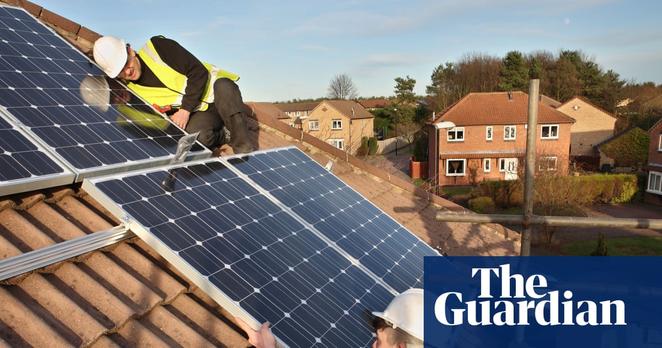
"Demand for rooftop solar systems across Europe has surged since the start of the Iran war, as households rush to shield themselves from soaring power prices triggered by the worst global energy disruption in history."

https://www.reuters.com/sustainability/climate-energy/iran-war-revives-european-rooftop-solar-demand-cut-energy-bills-2026-04-23/

"Public servants working for the Tokyo metropolitan government are being encouraged to swap their suits for shorts this summer to combat sweltering heat and rising energy costs caused by the US-Israel war on Iran.

Inspired by the country’s Cool Biz energy-saving initiative, Tokyo officials hope the measure will cut dependence on air conditioning."

https://www.theguardian.com/world/2026/apr/24/tokyo-workers-asked-to-swap-suits-for-shorts-to-combat-energy-costs-and-heat

Tokyo workers asked to swap suits for shorts to combat energy costs and heat

Officials hope more casual attire for public servants will save electricity during Iran war as summer approaches

The Guardian

"The European Commission has launched a strategy to protect people in the EU from “fossil-fuel price shocks” and accelerate the expansion of “homegrown clean energy”.

The proposals are meant to ensure the EU has enough fuel in the short term, to protect consumers from price rises and – in the longer term – to curb reliance on oil and gas.

Central to the commission’s strategy is a proposal to overhaul the EU’s taxation system so that it favours electricity over gas."

https://www.carbonbrief.org/iran-war-eu-strategy-sets-out-44-actions-to-limit-fossil-fuel-price-shocks/

Iran war: EU strategy sets out 44 actions to limit ‘fossil-fuel price shocks’ - Carbon Brief

The European Commission has launched a strategy to protect people in the EU from “fossil-fuel...

Carbon Brief

What all the stuff reported in this thread adds up to:

Demand destruction.

As Rebecca Solnit puts it:
"This is how the attack by one petro-state (ours) on another (Iran's) may be turning out to be very bad for petroleum, because the only thing history loves more than a surprise party is irony."

https://www.meditationsinanemergency.com/truth-consequences-climate-and-demand-destruction/

Truth, Consequences, Climate, and Demand Destruction

"This is how the attack on one petro-state (ours) on another (Iran's) may be turning out to be very bad for petroleum, because the only thing history loves more than a surprise party is irony." The Crisis The biggest news is always the climate news, and sometimes it's so big

Meditations in an Emergency

Read the Solnit piece first, then the recap by Doctorow, with subtitles:

"As Solnit writes, Trump's stupid war follows on the heels of another unforgivable and cruel blunder: Putin's quagmire in Ukraine, which catapulted Europe into the Gretacene, with a wholesale, continent-wide shift away from fossil fuels to renewables and the devices they power. Now, the rest of the world is following suit."

https://pluralistic.net/2026/05/04/hope-in-the-dark/

Pluralistic: Demand destruction vs fuel-superseding infrastructure (04 May 2026) – Pluralistic: Daily links from Cory Doctorow

These nuggets!

"We dig up a lot of fossil fuels. The world consumes seventeen times more fossil fuels in a year than we will require to electrify the planet forever."

"In 2024, America saw its first all-solar powered solar panel recycling factory, which reclaimed 99% of the materials in a panel that was 20% efficient, and then used those materials to make two panels that were each 40% efficient."

https://pluralistic.net/2026/05/04/hope-in-the-dark/

Pluralistic: Demand destruction vs fuel-superseding infrastructure (04 May 2026) – Pluralistic: Daily links from Cory Doctorow

Chokepoints

"The age of assuming someone else’s energy will always be available, at a price we can afford, through a route we don’t control, is over.

Solar and wind require no imports from unstable regions, no transit through chokepoints. Every energy minister on earth grasps this now in a way they did not nine weeks ago."

https://www.semafor.com/article/05/05/2026/the-largest-energy-crisis-in-modern-history-is-only-beginning

View: The largest energy crisis in modern history is only beginning

Decades of underinvestment in energy alternatives has left the global economy highly vulnerable.

Demand destruction, petrochemical fertiliser:

"Side-by-side plots in Kutztown, PA compared regenerative practices, including cover cropping, crop rotation, and composting, with conventional agriculture. The result was yields up to 30% higher for sustainable methods during extreme weather, profits that were 3-6 times higher overall, the use of 45% less energy—and 40% lower carbon emissions.

Among young farmers, regenerative practices are already taking hold."

https://www.commondreams.org/opinion/free-agriculture-from-oil-fertilizer

Soil, Not Oil | Common Dreams

​Petrochemical fertilizers built modern agriculture. The Iran War may be what finally breaks it—and opens the door to something better.

Common Dreams

"The Iran war appears to have supercharged the clean energy transition, providing a catalyst for wind power giants as countries reassess the role of renewables in shoring up energy security.

Danish wind turbine maker Vestas reported an unexpectedly large first-quarter profit rise on Wednesday, citing improved execution of its onshore and offshore businesses despite growing political uncertainty."

https://www.cnbc.com/2026/05/07/iran-war-renewables-wind-oil-gas-equinor-orsted.html

"Taiwanese chipmaker TSMC is raking in record profits during the AI boom—but it is also racing to help Taiwan develop wind power and other energy alternatives to fossil fuels amid a global energy crisis.

The chipmaker has signed a 30-year corporate power purchase agreement for 100 percent of the power produced by the Hai Long offshore wind project."

https://arstechnica.com/gadgets/2026/05/tsmc-taps-wind-power-as-ai-chip-demand-soars-taiwan-feels-energy-crunch/

TSMC taps wind power as AI chip demand soars, Taiwan feels energy crunch

TSMC backs renewables during record demand for energy-hungry chip manufacturing.

Ars Technica

"The UK has avoided the need for gas imports worth £1.7bn since the start of the Iran war, as a result of record electricity generation from wind and solar, reveals Carbon Brief analysis.

The surge in wind and solar output is cutting the need for gas-fired generation, which has been nearly a third lower than last year and fell to record lows in both March and April 2026."

https://www.carbonbrief.org/analysis-wind-and-solar-have-saved-uk-from-gas-imports-worth-1-7bn-since-iran-war-began/

Analysis: Wind and solar have saved UK from gas imports worth £1.7bn since Iran war began - Carbon Brief

The UK has avoided the need for gas imports worth £1.7bn since the start of the Iran war, as a result of record electricity generation from wind and solar

Carbon Brief

A good explainer of what determines the price of car fuel.

"The price of a retail gallon of gas is the sum of four things: the cost of crude oil, refining, distribution and marketing, and taxes.

Ultimately, the best protection against oil price shocks is a more efficient gas-burning vehicle, or one that doesn’t burn gasoline at all."

https://theconversation.com/whats-in-the-price-of-a-gallon-of-gas-281494

What’s in the price of a gallon of gas?

As US gas prices climb, politicians are looking at ways to lower them. An economist breaks down what does − and doesn’t − move the number on the sign at the gas station.

The Conversation

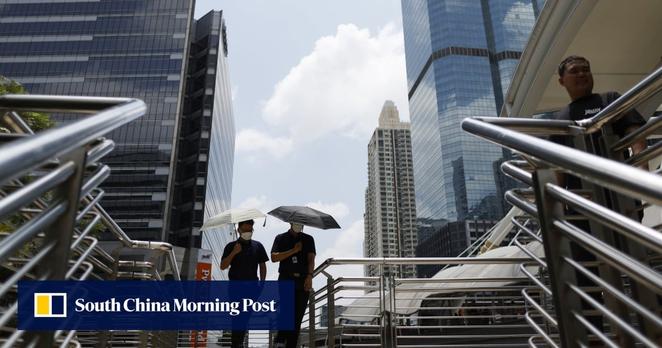
"Many countries have imposed temperature controls at government workplaces since the war began.

Malaysia is promoting wearing traditional cotton batik shirts and has also mandated offices set air conditioners to 24 degrees. "

https://www.scmp.com/news/asia/southeast-asia/article/3351634/southeast-asias-office-workers-reel-energy-saving-drive-heatwave

‘Hard to breathe’: Southeast Asia’s workers reel from warmer offices, heatwave

‘The canteen and even the 7-Eleven downstairs are cooler than our office, which is why people end up gathering there,’ a Thai worker says.

South China Morning Post

"Around 13,000 flights were cancelled globally in May, resulting in two million fewer available seats, ... a 1.5 per cent reduction in total worldwide aviation capacity."

Also, higher prices, and restrictions or additional fees on baggage.

https://www.independent.co.uk/travel/news-and-advice/jet-fuel-shortage-flight-cancellations-airline-easyjet-ryanair-b2971558.html

Jet fuel shortage: All the airlines cancelling flights and adding extra charges

Many airlines have cancelled flights due to rocketing jet fuel costs caused by conflict in the Middle East

The Independent

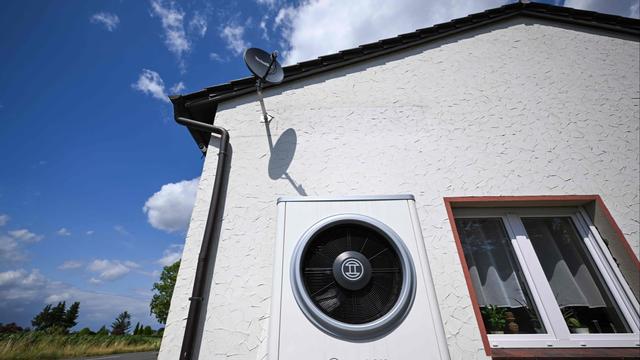
Heat pump sales jump as consumers recoil at high fossil fuel prices

"High demand for units in Europe suggests green technologies benefiting from energy price surge due to Iran war."

https://www.ft.com/content/571e9cc4-1b32-49ef-bc82-e550e9404d8f?

Once those heat pumps are installed, they stay, even after oil and gas flows through the Strait of Hormuz resume.
That's #DemandDestruction.

Heat pump sales jump as consumers recoil at high fossil fuel prices

High demand for units in Europe suggests green technologies benefiting from energy price surge due to Iran war

Financial Times

"The looming energy cost crisis has prompted a record number of households to investigate green home upgrades to try to keep bills down, including heat pumps, solar panels and electric vehicles.
However, it is the falling cost of home batteries that is expected to be key to unlocking the greatest possible cost savings from these green investments."

https://www.theguardian.com/money/2026/may/09/home-batteries-cutting-energy-bills-fuel-prices-electricity-costs

Home batteries: a ‘gamechanger’ for cutting energy bills?

As fuel prices soar, millions of people could reduce their electricity costs by installing home storage

The Guardian

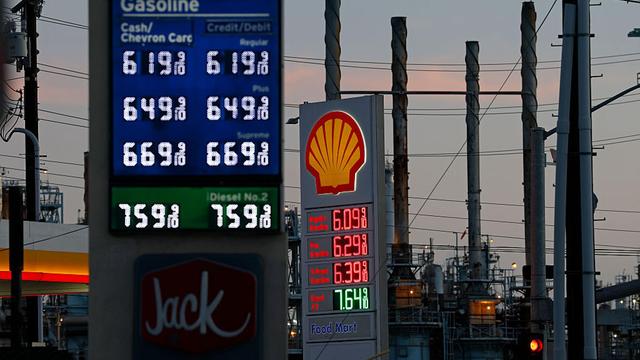
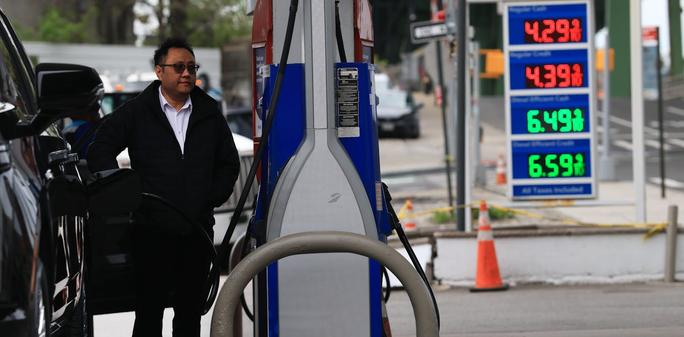
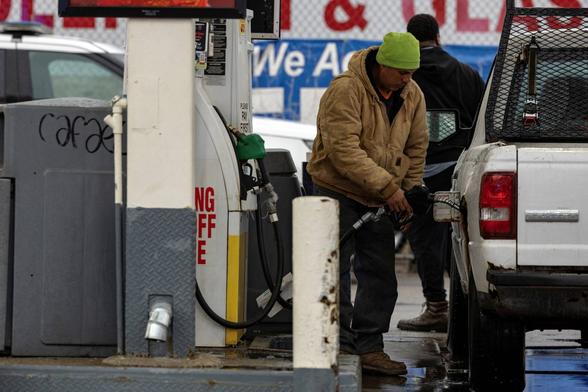
Meanwhile in the USA, the admin is considering removing the Federal 18 cent per gallon gas tax. Which would bring the price of gas down from $4.50 to $4.32 a gallon, still above the $4 pain threshold.

The country was built to be car dependent, so gas is a non-negotiable expense. Inflation is up, consumer confidence down.

"Asked Tuesday whether Americans’ finances were motivating him to strike a deal, Trump replied, “Not even a little bit.”"

https://www.japantimes.co.jp/news/2026/05/15/world/politics/us-gas-price-relief-scramble/

White House scrambles for gas-price relief as Iran war drags on

Gasoline prices are averaging more than $4.50 a gallon nationwide, and historically, $4 per gallon has been a level that triggers public backlash and economic anxiety.

The Japan Times

What are the impacts of energy crises and how can they be avoided?

"If a crisis persists, short-term pain becomes structural economic damage.

Transitioning towards a diversified clean energy mix is critical to tackling the vulnerabilities of fossil fuel systems – on top of the benefits for the climate."

https://www.lse.ac.uk/granthaminstitute/explainers/what-are-the-impacts-of-energy-crises-and-how-can-they-be-avoided/

What are the impacts of energy crises and how can they be avoided? - Grantham Research Institute on climate change and the environment

An ‘energy crisis’ can occur when energy becomes scarce, unaffordable, or both. At the global level, these crises are typically driven by a tightening of supply, and sometimes by surging demand, or a mix of the two.

Grantham Research Institute on climate change and the environment

"The Australian government this week announced a $10bn fuel security package including $3.2bn to store a billion more litres of diesel and jet fuel.

There has been little talk from political leaders of the other way to lower the country’s risk from future fuel shocks – powering trucks with electricity."

https://www.theguardian.com/environment/2026/may/18/can-electric-trucks-win-over-australias-fossil-fuel-die-hards-or-is-diesel-here-for-the-long-haul

Can electric trucks win over Australia’s fossil fuel die hards? Or is diesel here for the long haul?

Amid soaring fuel prices, the government announced $3.2bn to store a billion more litres of diesel and jet fuel. What about just using less of it?

The Guardian

"As the bloc's largest importer of liquefied natural gas through the ​Gulf, where Iran's effective closure of the Strait of Hormuz has caused unprecedented energy supply disruption, Italy could have responded by accelerating the quest for renewable energy.
Instead it launched international searches for new gas suppliers, just as it did ​after Moscow's 2022 invasion of Ukraine."

https://www.reuters.com/business/energy/italy-pays-price-melonis-stalled-green-energy-transition-2026-05-21/

With Hormuz shut, Norway urges EU to rethink Arctic oil ban — despite analysts and environmentalists’ doubts

"No EU member really has any direct Arctic territory to be drilled.

The countries that do are Norway and Greenland, and they operate outside EU jurisdiction.

The biggest obstacle to Arctic oil and gas development are economic and geological, not political. Barents projects typically take five to 10 years to move from discovery to steady output."

https://euobserver.com/218137/with-hormuz-shut-norway-urges-eu-to-rethink-arctic-oil-ban-despite-analysts-and-environmentalists-doubts/

With Hormuz shut, Norway urges EU to rethink Arctic oil ban — despite analysts and environmentalists doubts

Norway is pushing Brussels to rethink its long-standing opposition to oil and gas development in the European Arctic, pushing the EU into reviewing its strategy. But would it meaningfully increase Europe's energy security? And at what environmental cost?

EUobserver

Demand destruction is real, and large.
"“Actual end-use oil demand may have fallen more in response to higher prices than expected.”

The investment bank’s analysts estimate that the extent of demand destruction may have reached 2 million barrels daily in May, based on oil sales figures for China and Western Europe, the report said."

https://oilprice.com/Latest-Energy-News/World-News/Goldman-Sachs-Sees-Oil-Demand-Destruction-Offsetting-Supply-Shock-Risks.html

World oil consumption: 100 million bpd.
So 2% of that demand disappeared in a matter of weeks.

Goldman Sachs Sees Oil Demand Destruction Offsetting Supply Shock Risks

Goldman Sachs says soaring oil prices are already eroding global demand, partially offsetting supply shortages but creating significant uncertainty for crude prices later this year.

OilPrice.com

@CelloMomOnCars

The price of oil is determined by cruise missiles. Corporate bribes of politicians has a big influence too.

@CelloMomOnCars
Solar panels can't reach 40% efficiency...stay accurate guys or lose credibility
@PeterF @CelloMomOnCars
39.5% in real world conditions feels like close enough, even if it's inferior to the 47.6% top performance inside a lab: https://arxiv.org/abs/2203.15593
Triple-junction solar cells with 39.5% terrestrial and 34.2% space efficiency enabled by thick quantum well superlattices

Multijunction solar cell design is guided by both the theoretical optimal bandgap combination as well as the realistic limitations to materials with these bandgaps. For instance, triple-junction III-V multijunction solar cells commonly use GaAs as a middle cell because of its near-perfect material quality, despite its bandgap being higher than optimal for the global spectrum. Here, we modify the GaAs bandgap using thick GaInAs/GaAsP strain-balanced quantum well (QW) solar cells with excellent voltage and absorption. These high-performance QWs are incorporated into a triple-junction inverted metamorphic multijunction device consisting of a GaInP top cell, GaInAs/GaAsP QW middle cell, and lattice-mismatched GaInAs bottom cell, each of which has been highly optimized. We demonstrate triple-junction efficiencies of 39.5% and 34.2% under the global and space spectra, respectively, which are higher than previous record six-junction devices.

arXiv.org
@jherazob @CelloMomOnCars
OK, haven't seen this, interesting - but the framing of the post implied mass production from recycled material, not a new material yet to be proven at production scale.

@PeterF @jherazob

If you read the article you will see that the company is no longer in business.