 NO INHERITANCE
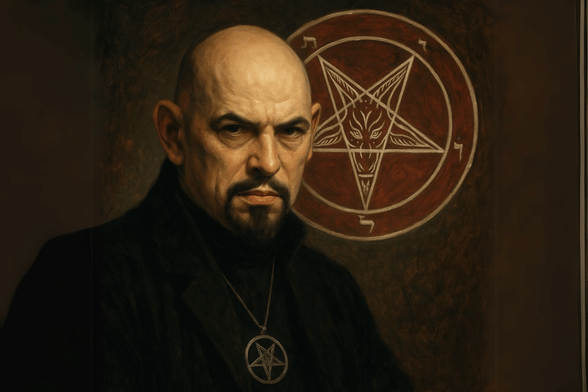
In The #SatanicBible by Anton LaVey, #Satan is not a literal being. It is a symbol, used deliberately to challenge traditional religious ideas and #social conditioning. #Satan represents individualism. It stands for placing one’s own judgement above inherited belief, rejecting imposed authority, and thinking independently rather than accepting doctrine without examination. (1/4)
It also represents human #nature in its unfiltered form. LaVey framed #Satan as embodying instinct, desire, and physical existence, rather than denial or restraint. This includes embracing #pleasure, #ambition, and personal #fulfilment without guilt imposed by external systems. (2/4)
Another key aspect is rebellion. #Satan symbolises opposition to hypocrisy, especially within organised religion. It is not rebellion for its own sake, but a conscious refusal to conform to ideas that are seen as limiting or dishonest. #Satan represents responsibility. In LaVeyan #Satanism, the individual is accountable for their own actions, choices, and outcomes. There is no appeal to external authority for forgiveness or justification. (3/4)
#Satan in LaVey’s framework is a metaphor for autonomy, scepticism, and fully owning one’s life as it is lived. (4/4)