
First Web MIDI, now Web Serial! Could not be happier to see Mozilla returning to an expansive vision for the web. The idea that we should download unsafe native binaries to get things done was always naff, and an abdication of the browser's role in the lives of users:

https://fosstodon.org/@balloob/116398481380578311

/cc @firefoxwebdevs
balloob (@[email protected])

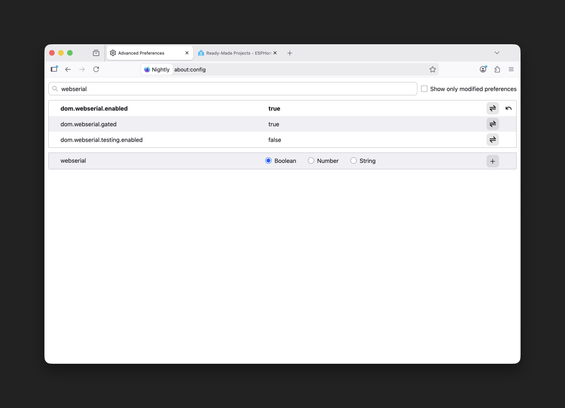
Attached: 4 images WebSerial has landed in Firefox Nightly !! 🎉 Enable it in about:config and it all just works as expected. Took a brand new ESP32 and had a new Bluetooth proxy added to Home Assistant within 2 minutes 👌

Fosstodon
@firefoxwebdevs I would be remiss if I didn't also point out the role that Blink and the Project Fugu team (particularly @reillyeon, Josh Bell, Vince Scheib, Chris Mumford, and @kennethrohde) played in leading on this feature responsibly. Everything was built in the open, with invitations to all vendors to participate in development, and in a collaborative way. There wasn't much non-developer feedback, but it didn't keep the team from building and shipping responsibly.

What does shipping responsibly mean when you're that far out ahead? A few things:

- requesting developer feedback at every stage
- making working versions available behind flags, then iterating
- asking for wide review despite disinterest by other vendors
- being honest and iterative about feedback
- shipping the "base subset", then iterating to solve follow-up problems

You can see that whole journey here:

https://chromestatus.com/features?q=web%2520serial

Chrome Platform Status

In the end, this focus on developer needs dovetailed with the Blink Launch Process's prescriptive gates for launching before consensus, including:

- a strong spec (even if not yet a standard)
- good tests
- wide review (including the TAG)

These are calculated to allow other vendors to implement cheaply, without IP risk, should they change their minds later. And once again, the Project Fugu process design is working as designed; enabling Mozilla to join us without drama.

This is how we can keep building a web worth wanting in the face of disingenuous veto players [1] and subversion of standards venues based on degraded competition [2]. The humility to admit your first idea is *probably* wrong (at least in part), combined with urgency to fix real problems for users and developers, puts a premium on responsibility in leadership. I'm proud of the team for taking that seriously.

[1]: https://infrequently.org/2025/09/apples-crimes-against-the-internet-community/
[2]: https://www.mnot.net/blog/2026/02/13/no

Apple's Assault on Standards

By subverting the voluntary nature of open standards, Apple has defanged them as tools that users can employ against the totalising power of native apps in their digital lives. This high-modernist approach is antithetical to the foundational commitments of internet standards bodies and, over time, erode them.

Alex Russell