 AI6YR Ben
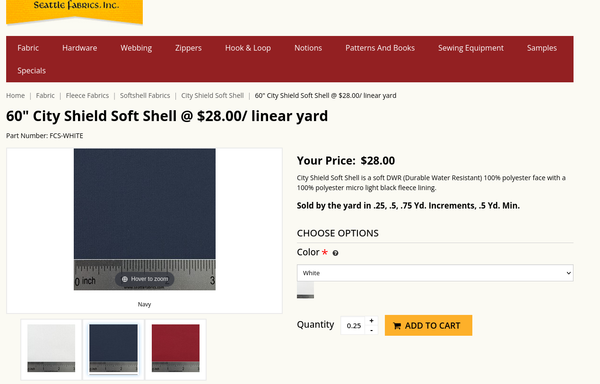
Hmm, softshell fabric not cheap... about $28.00 per yard. (if I were theoretically going to sew myself a new softshell jacket). #sewing
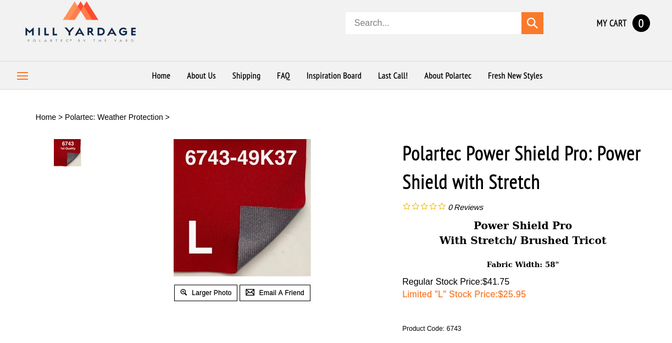
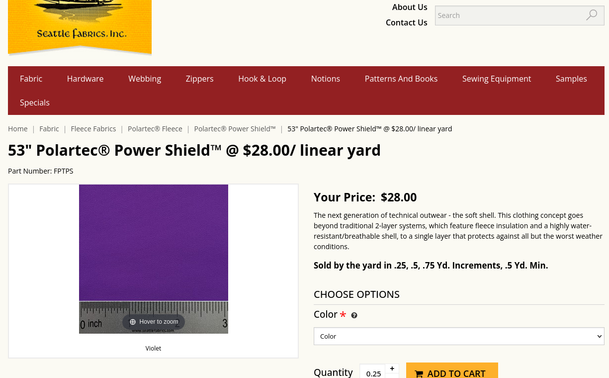
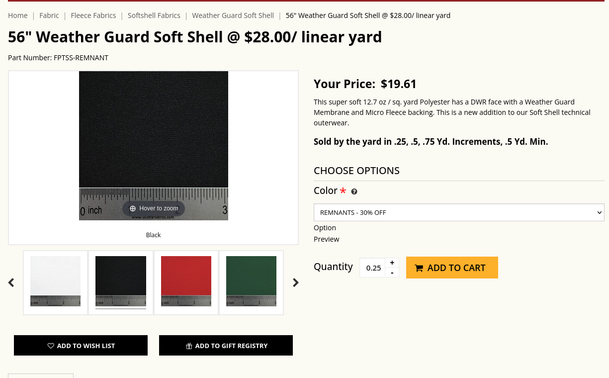
wash AND HANG. i feel like a lot of the outcomes of sewing literally depend on how you hang the fabric before cutting, after cutting and then after making the garment. it makes me realize a lot of mass market clothes were never hanged until they reach a store and that's why they feel weird when i try them on.
Depends on the length of the pattern repeat, and on how the pieces are laid out.
Eg, if the front right and left are placed vertically and the pattern is large, you may need to move the second piece a little further down so that the pattern on right and left will look good when the pieces are placed side by side.
If the printed design is small scale (teensy flowers or other object) it may not matter too much. But for bold, large prints, it matters a lot more.
(that's the one I hoped you would pick, not purple or tomato, but you will still stand out a little bit)
@ai6yr @bjb @susiemagoo @blogdiva
How much extra depends on how large the print is, and how much you care about matching.
If your fabric is a tiny print or a camouflage print, matching doesn't matter. For a scenic print, matching matters. These large prints are designed to fit the manufacturer's intended garment.
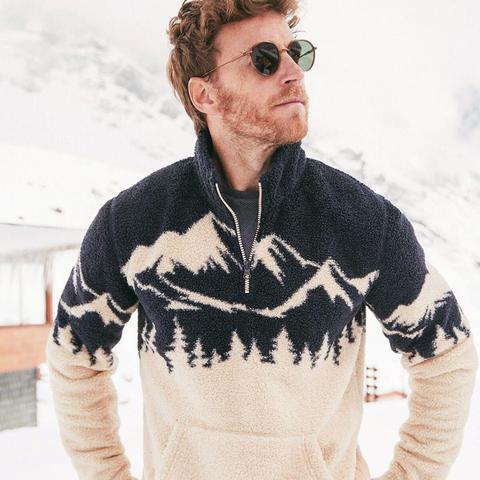
Left:
On this scenic 1/4 zip top, the scenic print is large, at least 22 inches from the dark header to the white bottom. It would look stupid if the sleeves were cut in the opposite direction from the front and back. This only takes a little extra fabric, because the front is cut from a single piece with the zipper set into a slash.
Some extra length is needed to make sure the horizontal matches from front to back and to both sleeves.
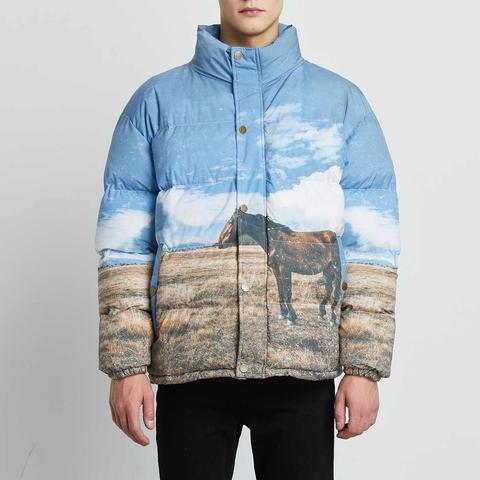
Right
On this scenic puffer jacket, there is a front placket. It was cut so the horse print appears to flow across the cut and folded edges. This probably took an extra yard vertically to match the scene. The sleeves are cut to present a continuation of the horizon line. Usually two sleeves can be cut from a single width of 45" - 60" wide fabrics.
welakchualee, those are called border fabrics. basically the border has all the details. the design repeats X inches and the upper part of the fabric is usually left empty to make garment construction easier. i say usually because there’s this example that doesn't.
Cotton Voile - Navy Floral Border - Blooming Upwards Print - Mood Excl - https://www.moodfabrics.com/products/mood-exclusive-blooming-upwards-navy-cotton-voile-md0474
so when looking for a border make sure it’s only on one end.
@ai6yr @susiemagoo it depends on the fabric but YES. that's a standard disclaimer in old USA patterns.
tbh am learning that +60" is best for jackets, coats, pants and gowns.
45" kinda explains why princess (panel) seams exists. historically, linen, silk and wool fabrics came in those widths and even narrower.
for graphic pattern matching, always check the longer description. the best stores will include the width of the graphics & after how many inches it gets repeated.
@ai6yr @susiemagoo @blogdiva It depends on the size of the pattern. If it is a "random" repeat ("generic field of flowers"), the print does not need to be matched. If, however, the pattern is a large version of the Black Watch tartan, expect to need several extra yards to make the pattern match.
General rule: The larger or more geometric/regular the fabric print is, the more yardage will be needed to match the design. To match, all the pattern pieces must be cut out going the same direction, especially if the design is not symmetrical.
... unless one goes for intentionally mismatched/diagonal (bias) parts, or the crazy-quilt effect.
 your auntifa liza 🇵🇷 🦛 🦦
 Sensible Crone
 bjb
bjb 

 Katherine W
 Shirley Eugest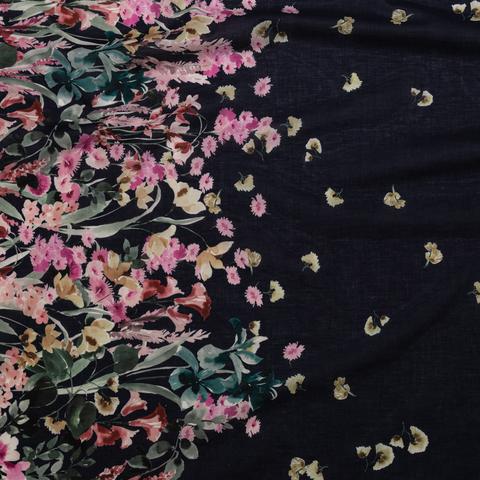
 Kinene⭐🐻