 Levka
Levka"Inside deadly chimp ‘civil war’ in Uganda—What they reveal about human nature
Since 2018 , researchers have recorded 24 killings, including 17 infants
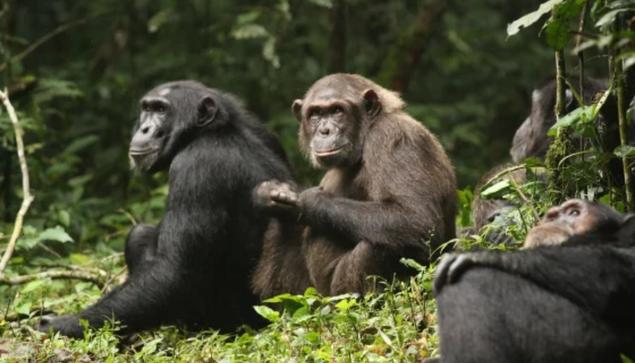
Deep in the lush canopy of Uganda’s Kibale National Park, a decades-long peace has shattered, giving way to a brutal and vicious 'civil war' that mirrors the darkest chapters of human history.
For over 20 years, the Ngogo chimpanzees, the largest community of wild chimps ever recorded, flourished as a close-knit community.
Now, the researchers have officially documented the first clear yet unsettling struggles of power and survival ongoing among this community. As a result, two warring factions, Western and Central, have emerged, locking in a brutal civil war for 8 years.
What makes the scientist surprised is the intensity and frequency of conflicts. This is no longer a brawl or a simple split; it has turned into a series of coordinated and lethal raids in which one group targeted the other, resulting in deaths of males and infants.
As per researchers, since 2018 they have recorded 24 killings, including 17 infants. But, they are clueless about the reason behind the ongoing chip conflict.
'Biting, pounding the victim with their hands, dragging them, kicking them - mostly adult males, but sometimes adult females participate in the attacks,' said University of Texas primatologist Aaron Sandel, lead author of the study published in the journal Science.
'These were chimps that would hold hands. Now they're trying to kill each other,' Sandel added."