In February 2004, American aircraft landed in Port-au-Prince and, by morning, Haiti’s elected president Jean-Bertrand Aristide was gone. Haiti isn’t an exception. It’s part of a longer history of the U.S. removing democratically elected governments when they conflict with U.S. strategic or economic interests.

#history

1/11

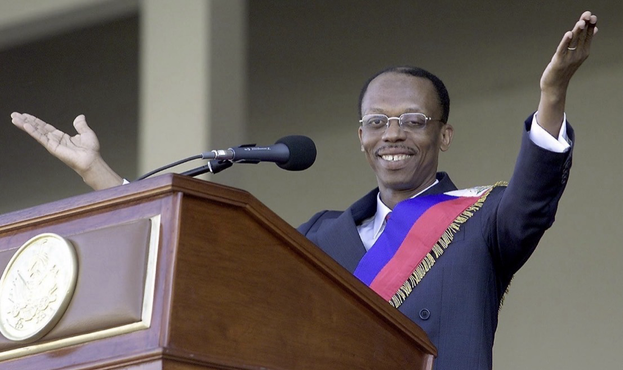
Image: Jean-Bertrand Aristide celebrates inauguration as Haiti’s first democratically elected president in decades, Port-au-Prince, 1991. Photo: Associated Press.
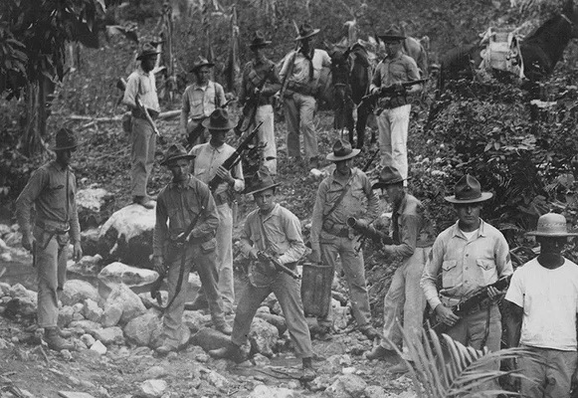
In Haiti, that pattern stretched back decades. U.S. Marines first entered in 1915 and remained for 19 years, rewriting the constitution, taking control of customs and the treasury, and building the military institution that would dominate Haitian politics long after the occupation formally ended.

2/11

Image: U.S. Marines search for Haitian rebels in 1919. U.S. National Archives.

That military repeatedly shaped who could rule. In 1991, only months after Aristide’s first democratic victory, soldiers forced him from office. By 2004, armed rebels—many veterans of earlier coups and paramilitary campaigns—were again moving toward Port-au-Prince as American forces returned.

3/11

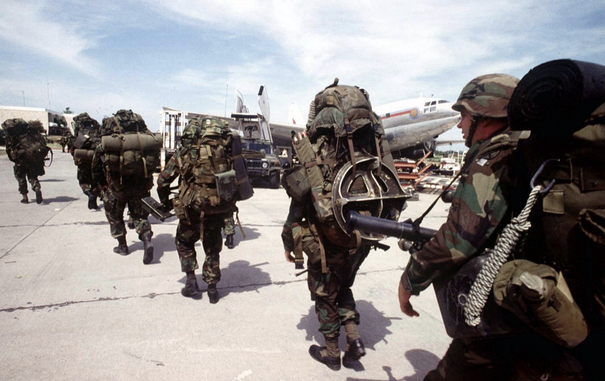
Image: Soldiers of C Company, 2nd Battalion 22nd Infantry, 10th Mountain Division securing Port-au-Prince Airport on the first day of Operation Uphold Democracy, Sept. 22 1994, Wikimedia Commons.

Before sunrise, Aristide was escorted onto a waiting plane and flown out of the country he had been elected to lead. By morning he was gone. Haiti was not an exception, but part of a recurring history in which democracy abroad has often been tolerated only when it aligned with American interests.

4/11

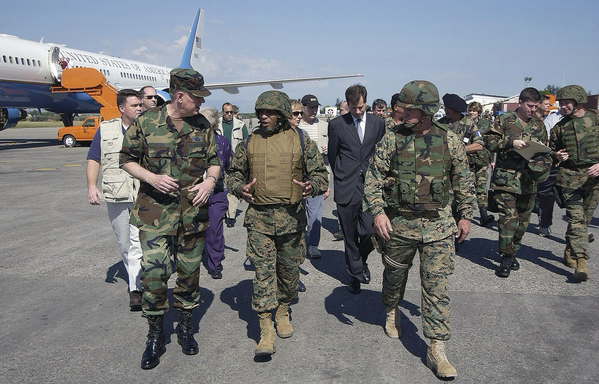
Image: Chairman of the Joint Chiefs of Staff Richard B. Myers talks with Brigadier General Ronald S. Coleman after disembark from Toussaint Louverture IAirport 13 March 2004. Wikimedia Commons.

@Deglassco The US was created and exists to serve private interests, usually at the expense of public interests both domestic and international.
@hwebb indeed. Certainly for indigenous people and the descendants of the enslaved.