 Daily Bird
763 👁, 467 🖼, 58 🔉, 5 🎬
💥▪〰〰〰▪✅▪▪▪▪▪▪▪🟢▪
🟦🟦⬜⬜🟦🟦🟦🟦🟦
🟦⬜⬜⬜🟦🟩🟩🟩🟦
🟩🟩🟩🟦🟩🟩🟩🟩🟩
🟦🟩🟩🟦🟩🟩🟩🟩🟦
🟦🟦🟧🟦🟩🟩🟦🟩🟦
🟦🟦🟩🟩🟦🟩🟦🟩🟩
🟦🟦🟩🟦🟦🟦🟦🟦🟦
🟦⬜⬜🟦⬜⬜⬜⬜🟦
⬜⬜⬜⬜⬜⬜⬜⬜⬜
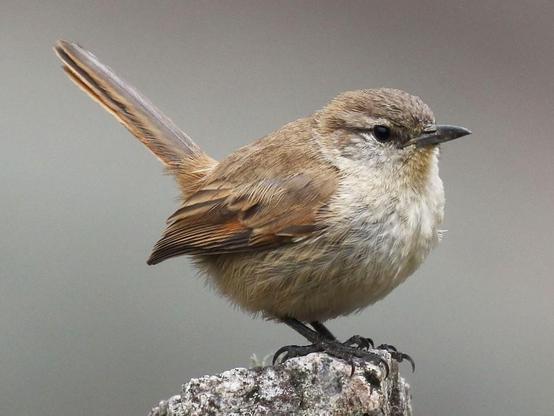
Drab brownish-gray bird found only on arid Andean slopes and coastal hills in western Peru. Lacks strong field marks, but note the orange chin, faint eyebrow, and small amount of chestnut in wings and tail. It is paler and browner than Canyon Canastero. Very similar to Cordilleran Canastero, but with a very different habitat preference and song. Found in sparsely vegetated areas with columnar cacti, in which it nests. Frequently cocks its tail up. Typical song is a very fast trill that turns into a slower rattle at the end.
Photographer: Paul Noakes
#CactusCanastero #PseudasthenesCactorum #Daily_eBird #Bird #Birds #DailyBird