 JumpCrisscross
Helium Is Hard to Replace
https://www.construction-physics.com/p/helium-is-hard-to-replace
Helium Is Hard to Replace
https://www.construction-physics.com/p/helium-is-hard-to-replace
For diving, there has been some experimental use of hydrogen as a partial replacement for helium in breathing gas mixtures. This obviously increases the risk of fires and the physiological effects aren't fully understood. But it might eventually be used in commercial, military, and exploration diving for those cases where we need to send humans really deep and using an atmospheric suit isn't an option. Regular sport divers will probably never breathe hydrogen.
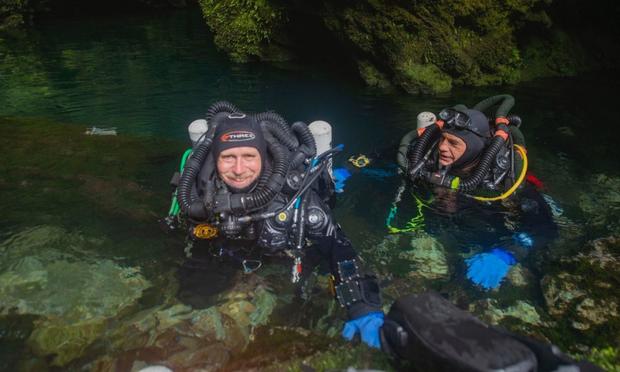
In February, Dr. Richard Harris aka Dr. Harry and the Wet Mules conducted the world’s first hydrogen rebreather dive to a test depth of 230 m at Pearse Resurgence, New Zealand. The purpose of the 13 hour dive was to determine the practicality and efficacy of using hydrogen to improve safety and performance of über-deep scuba dives. Harris will present the work up and details of the dive at Rebreather Forum 4 in Valletta, Malta on 22 April. In preparation, we thought it useful to review some of the history and research regarding hydrogen diving. Here’s what you need to know.
