 Gorgeous na Shock!
https://codeberg.org/indigoparadox/vvr I've managed to make some progress on reversing the #VirtusVR format used by #DesignIt3D after all these years... I think I can reliably tell where a polygon is placed and how it's rotated and scaled... what shape it is is still a mystery.
So I think I've managed to nail down the bytes that control shape data, but they don't seem to be vertices... there's an interconnected series of bytes at the beginning that adjust... either point order or extrusion mode... and then some bytes that to vertical stretchiness... and then a byte that controls number of vertical segments.... and a bunch zeroes... and then some... 2D points? to be extruded? Gotta figure it out! 😩
I've made great progress so far today on #VirtusVR. I'm getting what seem to be coordinates, so I've cleaned up the C parser and started working on an OpenGL renderer...
On another note, apparently this software is part of a family of CAD programs and a 1988 FPS called "The Colony" for the early Mac: https://en.wikipedia.org/wiki/The_Colony_(video_game)
I'm surprised nobody's taken a crack at this yet, but I guess I was bumping my head against it for a while. Thanks a bunch, ImHex! 😌
#VintageApple I guess.
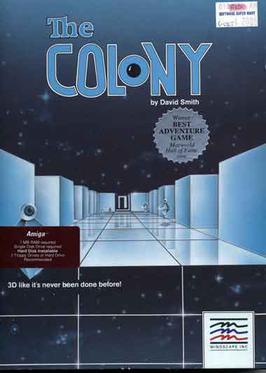
What?! He shared the source on github?! That might answer a lot of questions...
The source didn't seem to use the file format, and it didn't answer much... So I'm a bit stuck about the floating point. The result I'm getting seems accurate enough for now, though. Much better than the previous attempts I've seen!
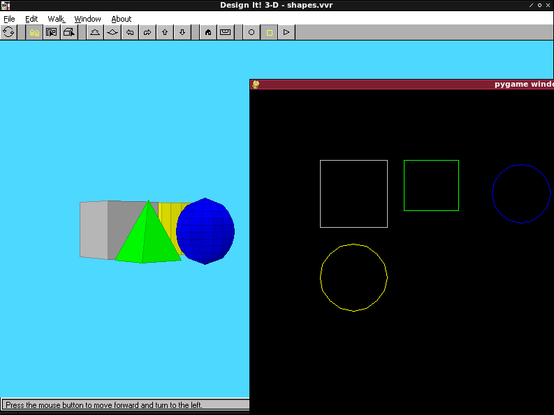
#ImHex 's scatter plot visualizer kept crashing... I can't seem to figure out how to drive it, but I whipped up a python script and it looks like my current assumptions about the shape and position coordinates are "good enough".
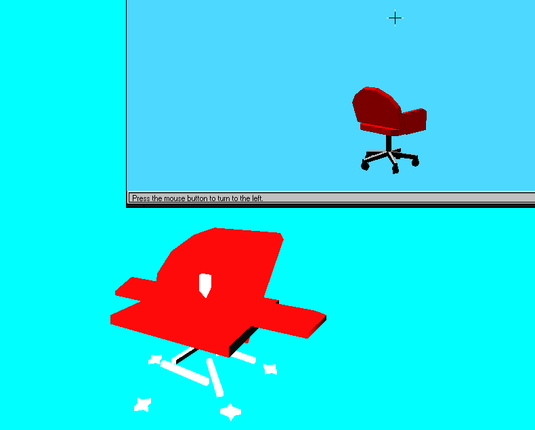
 Greg
Greg@indigoparadox Yes! I had half a mind to port it to Playdate but never got around to it :)