 Shaira Leiza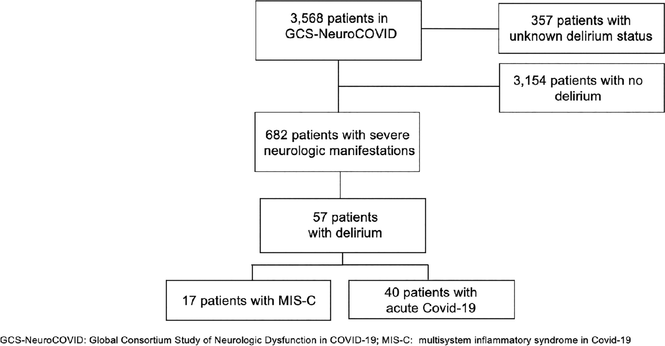
Delirium in Children Hospitalized with Acute COVID-19 or MIS-C: Secondary Analysis of the 2020–2021 Global Consortium Study of Neurologic Dysfunction in COVID-19 - Neurocritical Care
Background/Objective The aims of this study were to describe pediatric delirium and its association with inflammatory, neurodiagnostic, and clinical severity profiles in children hospitalized with acute coronavirus disease 2019 (COVID-19) infection or multisystem inflammatory syndrome in children (MIS-C). Methods We performed a secondary analysis of a multicenter, prospective observational cohort study including hospitalized children (< 18 years) with confirmed acute COVID-19 infection or MIS-C enrolled between 1 January 2020 and 31 July 2021 at 46 hospitals across ten countries participating in the Global Consortium Study of Neurologic Dysfunction in COVID-19 (GCS-NeuroCOVID). Results Among 3211 patients, 57 (1.8%) had documented delirium. Delirium was more common in MIS-C than in acute COVID-19 (3.6% vs. 1.5%, p = 0.004). Children with delirium had higher inflammatory markers (e.g., C-reactive protein, ferritin, D-dimer, procalcitonin) and more frequently presented with severe neurologic manifestations (all p < 0.001). Patients with delirium underwent more neurodiagnostic testing (p < 0.001). Among children with delirium who received electroencephalogram (EEG) testing, abnormalities were universal (n = 23). Delirium was associated with longer hospital stays (median 17 vs. 4 days; p < 0.001), higher mortality (7.5% vs. 1.1%; p = 0.01), and worse functional outcomes, including higher rates of new disability at discharge as assessed by Pediatric Cerebral Performance Category (PCPC; 22.5% vs. 1.7%, p < 0.001) and functional status scale (FSS; 22.7% vs. 2.1%, p = 0.001). Conclusions Delirium in a select group of patients with pediatric severe acute respiratory syndrome coronavirus 2 (SARS-CoV-2)-related illness was associated with systemic inflammation, severe neurologic injury, and worse clinical outcomes in a multicenter cohort. These findings underscore the importance of routine delirium screening and intervention in children hospitalized with SARS-CoV-2-related illnesses and other inflammatory conditions.