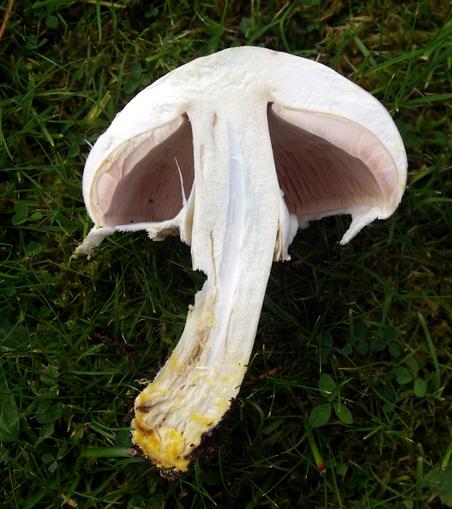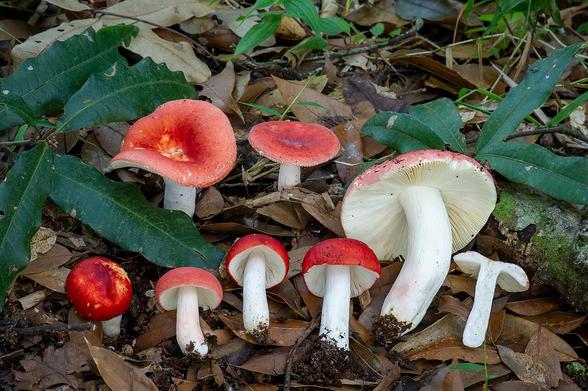
It's mushroom season in the southern hemisphere, and I'm rediscovering just how much *worse* foraging resources are compared to even a few years ago.

There's a terrifying number of LLM-written mushrooming books and guides out there, and they just straight make stuff up.

Fungi are a particular risk to foragers, because humans straight up don't have the ability to taste some of the most deadly toxins. The fungi that cause the most poisonings are the ones that taste good.

As always, do not eat any fungi unless you are absolutely sure what it is, and just as importantly absolutely sure what it is not. Learning to identify dangerous species is even more important than being able to identify edible ones. There are just too many look-alikes.

Stay safe. Be extra cautious of books and guides written in this decade. Happy mushrooming!
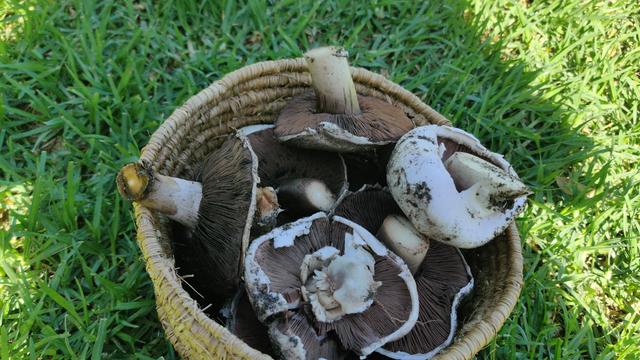
#foraging #foragingAustralia #mushrooms #mushrooming

@pjf oh jeez I mushroom a lot and some of the things in your basket there look like "whoa no DO NOT" species around here

which, exactly to your point

know your business and have a reliable human-written book that covers your local area

@sarae : Absolutely! And a mushroom needs to be taken in context. Where was it growing? How was it growing? What does it smell like? What can you find at the base of the stipe? How are the gills attached? What similar but dangerous mushrooms grow in this area?

Is the "do not eat" one you're thinking of xanthodermus¹? We get them here as well, but the smell is extremely distinctive, especially if one crushes the base of the stipe.

¹ https://en.wikipedia.org/wiki/Agaricus_xanthodermus

Agaricus xanthodermus - Wikipedia

@pjf no, you've got a couple in there that look like russulas we would not eat here unless they were lobstered, c.f. https://en.wikipedia.org/wiki/Russula#Edibility
Russula - Wikipedia