 Paul Fenwick
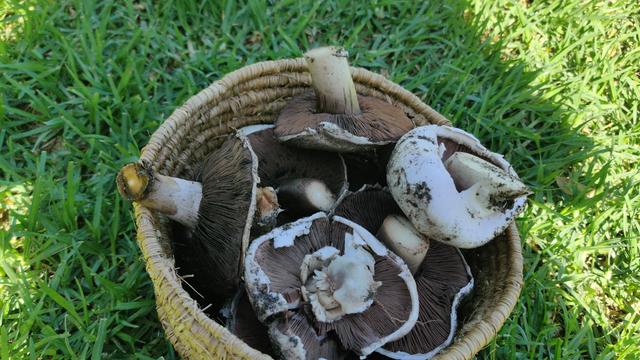
It's mushroom season in the southern hemisphere, and I'm rediscovering just how much *worse* foraging resources are compared to even a few years ago.
There's a terrifying number of LLM-written mushrooming books and guides out there, and they just straight make stuff up.
Fungi are a particular risk to foragers, because humans straight up don't have the ability to taste some of the most deadly toxins. The fungi that cause the most poisonings are the ones that taste good.
As always, do not eat any fungi unless you are absolutely sure what it is, and just as importantly absolutely sure what it is not. Learning to identify dangerous species is even more important than being able to identify edible ones. There are just too many look-alikes.
Stay safe. Be extra cautious of books and guides written in this decade. Happy mushrooming!
 Joe ❌👑