

What happens when something may harm some people and may be a great benefit for others? “It’s hard to respond to that, and the First Amendment says you don’t respond to that by passing a law that says no one can do it,” EFF’s @davidgreene told Civil Beat.
https://www.civilbeat.org/2026/04/teens-are-addicted-to-social-media-hawaii-is-reluctant-to-set-limits/
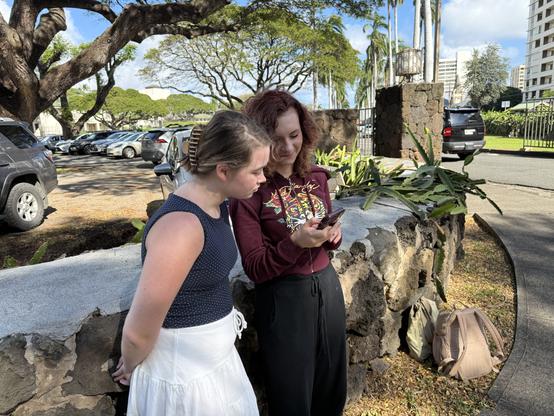
Teens Are Addicted To Social Media. Hawaiʻi Is Reluctant To Set Limits

A measure that would have required parental consent for kids under 16 to use social media was deferred indefinitely Wednesday. Similar laws in other states have been held up in court. 

Honolulu Civil Beat
@eff @davidgreene the fact that those pushing for "save the children" legislation aren't doing dick about data brokers and data sovereignty tells you all you need to know about their priorities...

@eff @davidgreene imo the problem with framing it as an addiction isn't saying it's addictive. It's the conclusions people are drawing from the claim it's addictive. If social media had no value whatsoever, unions and activist groups wouldn't be using it. The problem with social media is the problem with what the internet has become in general. Of course when you tweak your social media to trigger the same parts of the brain as people who design slot machines do, of course people are going to get hooked.

Take away the infinite scrolling, make the feed a chronological feed of *just* what the people you follow are posting or boosting. Could you still argue it's addictive? I suspect it'd be harder to do so.