 Luna Dragofelis ΘΔ🏳️⚧️🐱
Furgonomics for cisspecies meltcats:
Meltcats have a *wide* variety in shapes and sizes. For comparison, usual adult human height ranges between 150cm (5 ft) and and 200 cm (6 ft 8 in). A ratio of about 1.3. Meanwhile meltcats can go anywhere between mouse sized (<10 cm/4 in) and blue whale sized (> 30 m/100 ft), a ratio of at least 300, as long as they can supply enough biomass for the size.
Meltcats can also change the amount and type of limbs, ranging from no limbs (like a snake, snail or blob) to dozens of limbs. Hands, foot-paws, stumps, tails and tentacles all are among the possibilities.
That makes it very difficult to design tools and environments suitable for all meltcat shapes and sizes.
But if it's about a tool or environment for a specific meltcat, for example a workplace, the meltcat will adapt to the equipment and not the equipment to the meltcat.
Also the variation is not random and involuntary (making accessibility a moral imperative) like in humans, but more of a choice.
Meltcats have a *wide* variety in shapes and sizes. For comparison, usual adult human height ranges between 150cm (5 ft) and and 200 cm (6 ft 8 in). A ratio of about 1.3. Meanwhile meltcats can go anywhere between mouse sized (<10 cm/4 in) and blue whale sized (> 30 m/100 ft), a ratio of at least 300, as long as they can supply enough biomass for the size.
Meltcats can also change the amount and type of limbs, ranging from no limbs (like a snake, snail or blob) to dozens of limbs. Hands, foot-paws, stumps, tails and tentacles all are among the possibilities.
That makes it very difficult to design tools and environments suitable for all meltcat shapes and sizes.
But if it's about a tool or environment for a specific meltcat, for example a workplace, the meltcat will adapt to the equipment and not the equipment to the meltcat.
Also the variation is not random and involuntary (making accessibility a moral imperative) like in humans, but more of a choice.
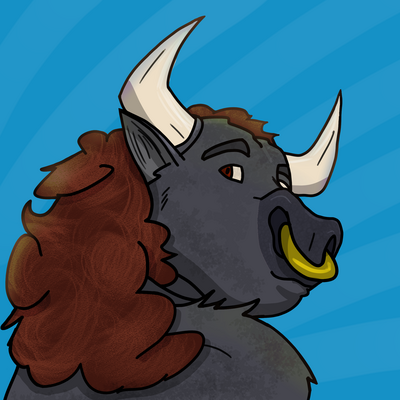 Coal
Coal