@yy has a Claude Scholar project that tries to use #AI for benefits without the downsides:

"The key design principle is that these skills don’t try to do the thinking, researching, or writing for you [...] Instead, the plugin focuses on concrete, verifiable tasks that are tedious to do by hand but where correctness is easy to check."
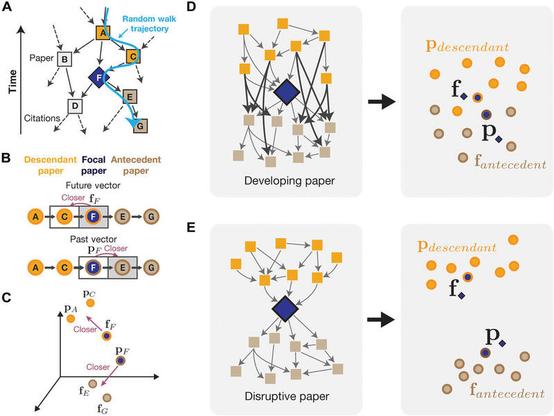

https://yyahn.com/wiki/yy-randomwalks/2026-04-measuring-disruption-claude-scholar/#claude-scholar-plugin

#academia

YY's Random Walks: Measuring disruption and Claude Scholar plugin

Two things this time: a new paper on measuring scientific disruption, and a Claude Code plugin for academic workflows.

YY Ahn

@yy My impression of the accessible-pdf skill is using #AI once to create a script would lower the time and cost of future runs.

https://github.com/yy/claude-scholar/blob/main/skills/accessible-pdf/SKILL.md

If you have a collection of "skills" which are scriptable, I recommend a framework like `sub`. The idea is that you write scripts in any language dropped into a folder with a structured comment on the block, and you could end up with a personal CLI like:

yy help
yy accessible-pdf ./in.latex ./out.pdf
yy ...

https://github.com/qrush/sub/

claude-scholar/skills/accessible-pdf/SKILL.md at main · yy/claude-scholar

Academic research tools for Claude Code — literature search, citation management, LaTeX checks, math verification, and submission preparation - yy/claude-scholar

GitHub

@yy `sub` works fine-. It's simple shell scripting with no dependencies, but if you use it enough, it does have downsides. A more modern take is `tome`, written in Rust.

The differences and a link to Tome are here:

https://github.com/qrush/sub/issues/50

Why you might want to use `tome` instead · Issue #50 · qrush/sub

The sub project is stable and effective as it is, but it also several issues that haven't been addressed over the past 10 years and there's been no activity at all for a couple of years. tome was i...

GitHub
@markstos Cool! I wasn't aware of it, but this makes a lot of sense.