 PugJesus
Hello, Based Department?
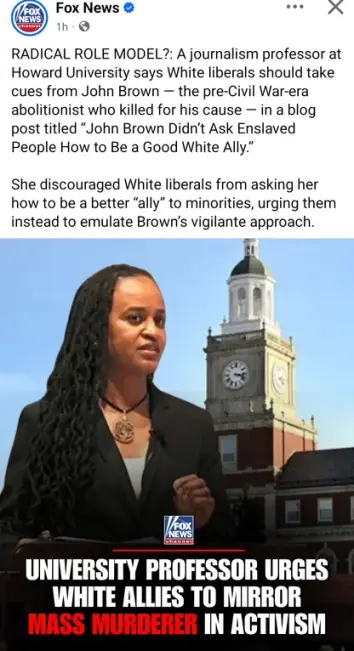
From the professor’s actual piece:
Every few weeks a white person, usually well-meaning, writes to me asking how to be a better ally. They list the right books they’ve read, the relatives they’ve blocked, the marches they’ve attended. They tell me how many friends they’ve lost for saying the right things, how lonely it feels to be the one white person in their circle who “gets it.”
And then, they ask the same exhausting question: “What else can I do?”
It’s a question that always lands heavy. Not because I doubt their sincerity, but because the question itself is still a form of protection that centers the asker’s confusion instead of the target’s danger. It’s a request to be taught, forgiven, and reassured, again and again. It’s another round of homework assigned to the wounded.
It’s exhausting as hell because it’s still a form of emotional outsourcing. Even the well-intentioned versions drag you back into the same cycle of having to translate pain into curriculum. It’s the paradox of white “goodness.” They want to be seen trying, but the trying itself becomes another demand on the people that are already harmed.
That’s why the question feels heavy. It’s not that their heart isn’t in the right place. It’s that the framing still centers them. How do I show support? How do I signal I’m good? How do I prove I’m different and one of the good ones? It’s still about optics, not redistribution. It’s the emotional equivalent of white philanthropy: “Tell me how to fix what my people broke, but in a way that makes me feel righteous, not complicit.”
What would be revolutionary is for white folks to stop asking us what to do and start asking other white folks why they refuse to do it. To stop seeking moral instructions from the wounded and start wounding the system that keeps making new victims. To stop requesting permission to be decent and just go do the damn work!
 bitjunkie