
This "careful" "AI Safety" company that just accidentally leaked its entire source code to the world is the one that African governments are entering into agreements with to include in infrastructures from health care to god knows what.

These are the products people have to use to make sure that they don't get dinged in their performance reviews for "not using AI."

These are the products teachers have to use in schools so that "students aren't left behind."

https://www.theguardian.com/technology/2026/apr/01/anthropic-claudes-code-leaks-ai
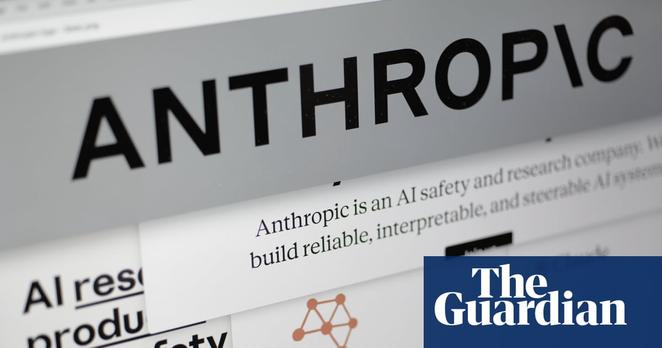
Claude’s code: Anthropic leaks source code for AI software engineering tool

Nearly 2,000 internal files were briefly leaked after ‘human error’, raising fresh security questions at the AI company

The Guardian

I appreciated this article by @mttaggart
infosec.exchange.

I get the temptation especially in this world we're all living in where you have to produce something super fast all the time.

But my question is, what are people's arguments for how functioning software can be created with these tools?

What about new architectures, new ways of thinking, new programming languages, etc? Who will create those?

https://taggart-tech.com/reckoning/

I used AI. It worked. I hated it.

I used Claude Code to build a tool I needed. It worked great, but I was miserable. I need to reckon with what it means.

I'm not even talking about the data stealing, exploitation, environmental pillaging, pollution, environmental racism etc.

I'm talking about the way people use the tools. Like what do advocates of using these tools say will happen to software engineering in the future? That it just won't need to exist because everyone will be able to create software using these tools?

That it will just take a different form, which is fine?
@timnitGebru I think this is possible! Like often technologies abstract away something, and while I agree that this can be dangerous and cause us to lose key insights, it also may be a trade off that people are willing to make.
@timnitGebru I would hope that no matter the automation, we not lose the craft associated with certain processes and the related ways of knowing. Just because we have industrial looms, I hope we can preserve the wisdoms of spinning and weaving. But I do recognize that many costumers, for instance, may be glad that they can work with premade fabrics rather than engaging more deeply with the raw materials.