 DJ🌞
DJ🌞
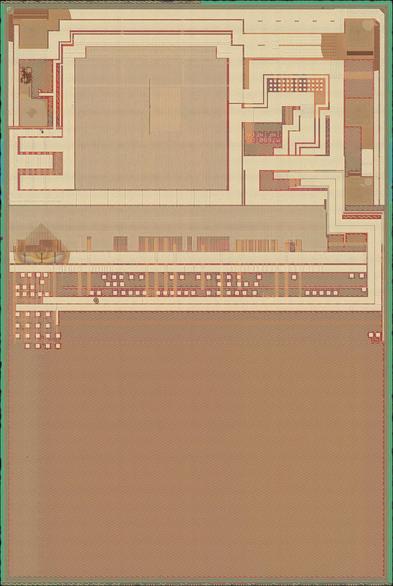
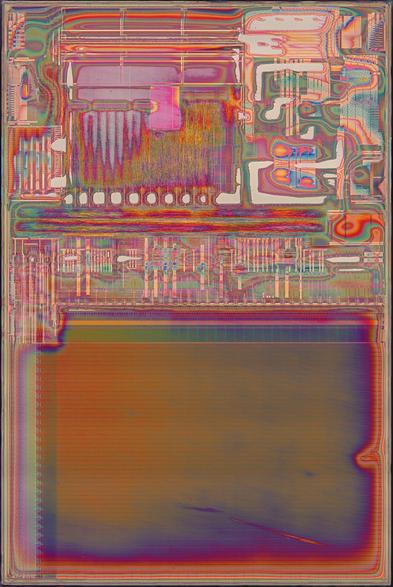
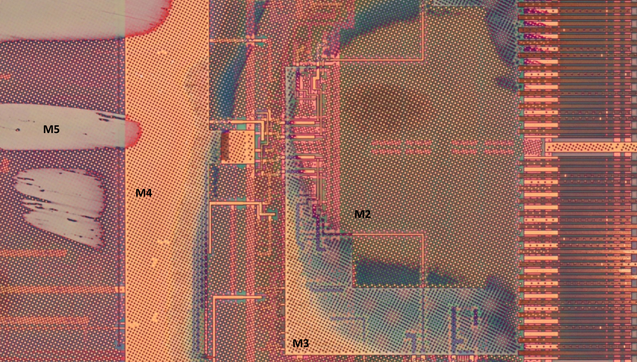
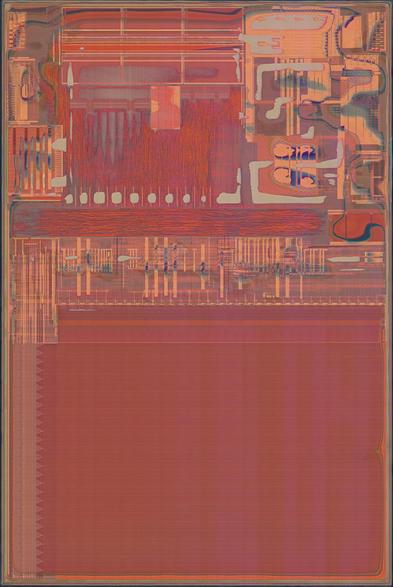
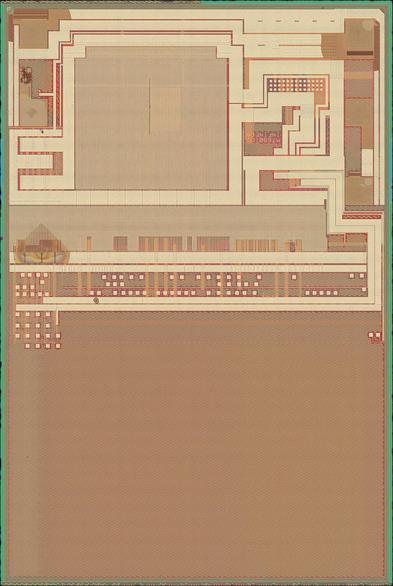
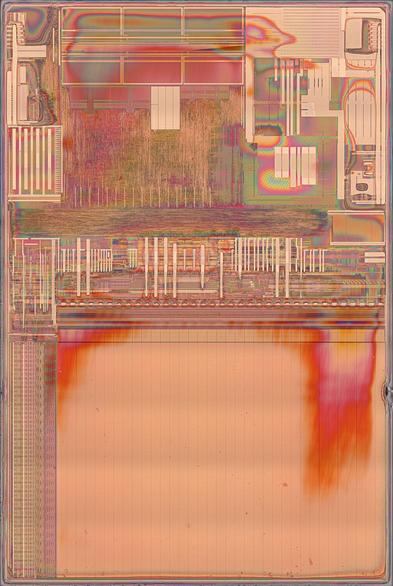
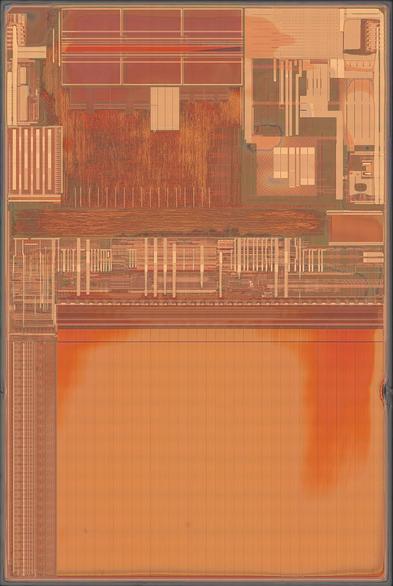
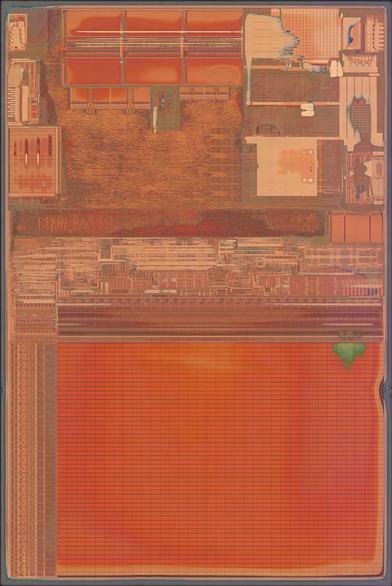
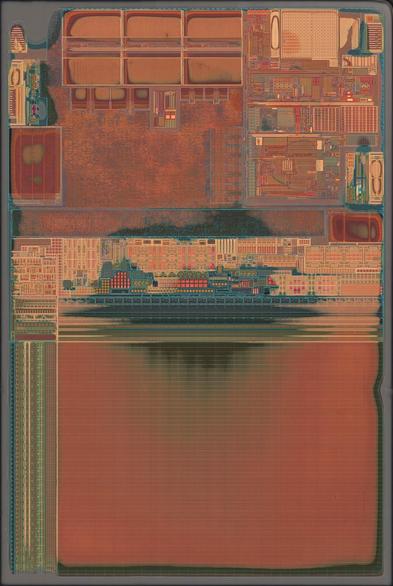
Going back to my practice chip, Infineon M7690, I tried the alumina suspension on it too. Certainly, the results are different compared to diamond slurry. Confirmed it goes *fast*. The right shot was made after about 4x60s on low speed, and the most of passivation and top oxide + metal is gone, only nitride lining remains in a couple spots. The left image is for reference; wherever pad metal was eaten away, there are pits at or below metal-X.
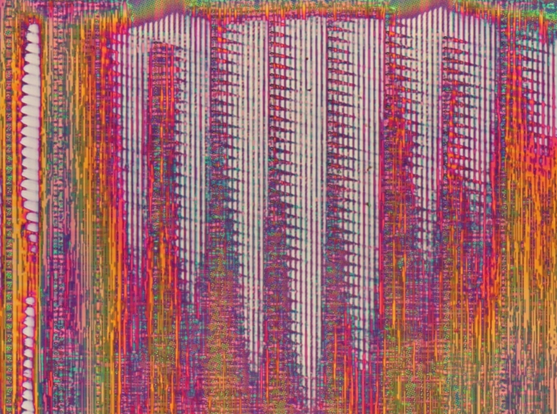
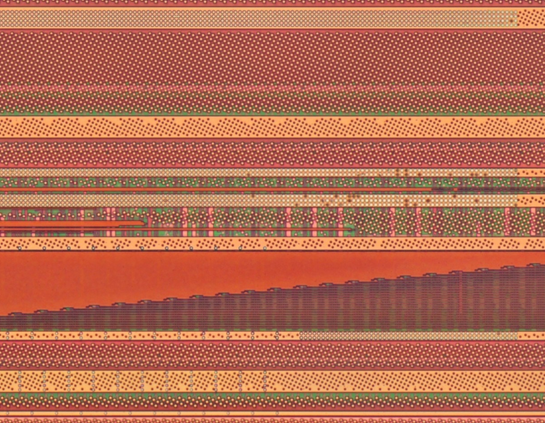
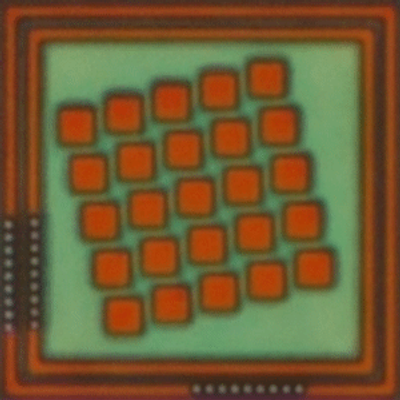
Another interesting artefact is the pattern on nitride lining. I wonder how this came to be and whether this is something produced by my setup or a manufacturing quirk.
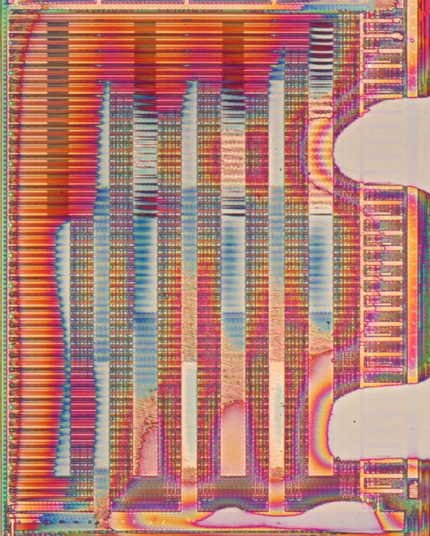
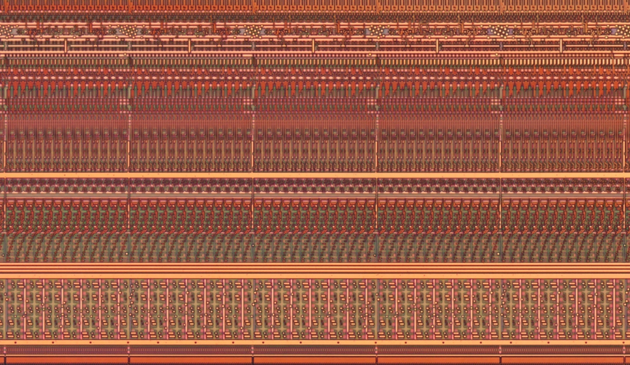
The last image seems to show a variation in thickness caused by the previous layer, which is interesting because this should have been removed by planarization.
Another interesting artefact is the pattern on nitride lining. I wonder how this came to be and whether this is something produced by my setup or a manufacturing quirk.
The last image seems to show a variation in thickness caused by the previous layer, which is interesting because this should have been removed by planarization.