 Prabhakar Ragde
Comfortable as our Munnar accommodations were, we had a driver to show us around locally. We were there on the weekend. He advised us that local attractions would be crowded, and there might be traffic. We said we didn't have particular sights in mind, and wanted to avoid crowds or sitting in traffic jams. He suggested some alternatives: a government-run botanical garden instead of the private Rose Garden, and a working tea factory instead of the Tea Museum.
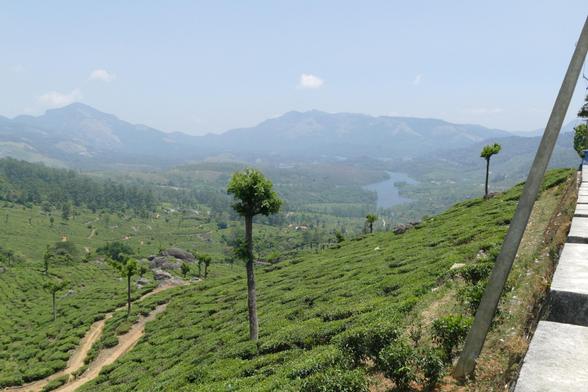
There were a lot of tea plantations around Munnar; also cardamom plantations (which could co-exist with denser forests). Simply pulling up by the roadside offered incredible views. At one point we were offered the chance to walk among the tea bushes, but we declined (the temperature was clement at the higher altitude, but we would have overheated on the ground, not to mention there was an additional charge).
 Darcy Casselman
The Lockhart Tea Factory was originally established in 1857, and while the guide insisted that the machinery was original, and some of it doubtless was, other parts were clearly newer. We were supposed to not take photos, but some white tourists clearly ignored this, holding phones on selfie sticks.
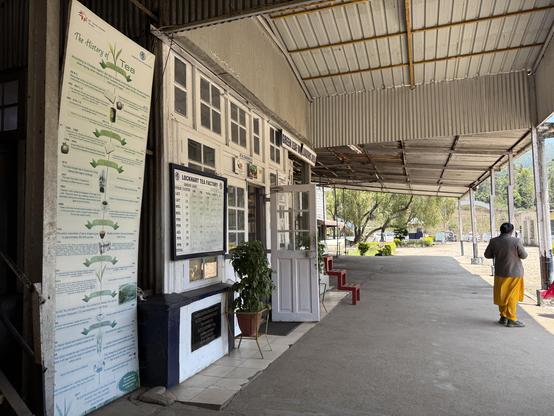
After taking us through the fermentation (measured in hours), the drying, the grinding, and the packaging, we emerged into a tasting and purchasing section. All of this was very low key, and the guide was quite willing to answer questions.
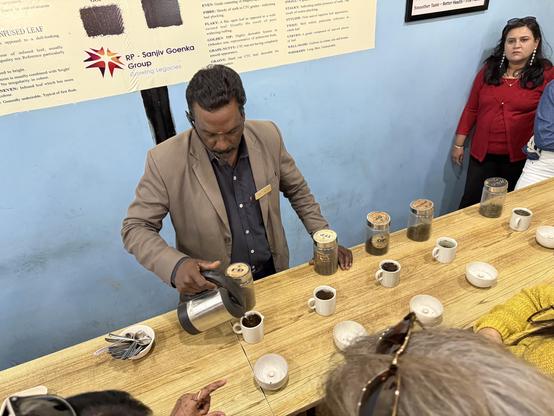
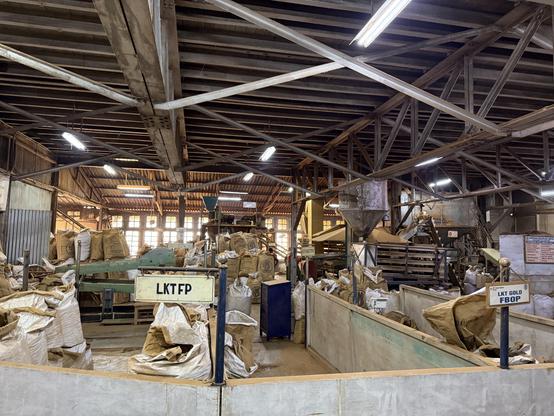
The guide had never stopped anyone from taking photos, but I didn't want to abuse privilege. But the tasting area was open to the final stage of bagging, so I took a few photos of that.
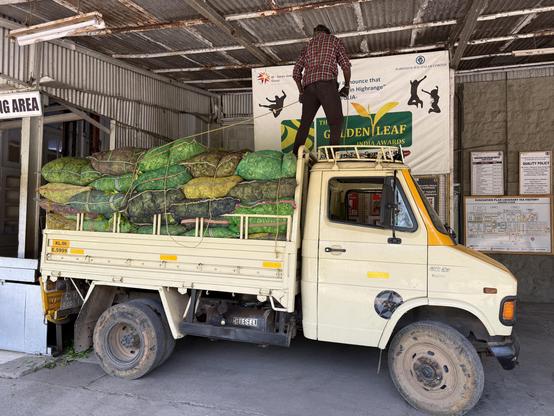
Outside a truck had arrived with bags of freshly-harvested leaves, which would soon be unloaded.
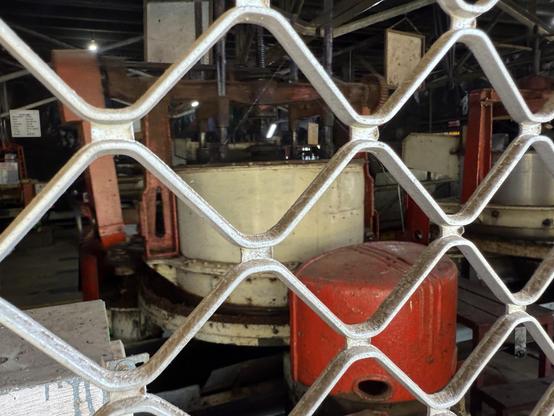
Through a window I could capture the machinery which ground the large, fermented and dried tea leaves, into more reasonable sizes. I could not (without violating permissions, even if they were not being enforced) capture the fermenting and drying processes, both of which looked as if they were managed by even more primitive and ancient machinery.