 Artwork
This image of home just came down from the Artemis II crew.
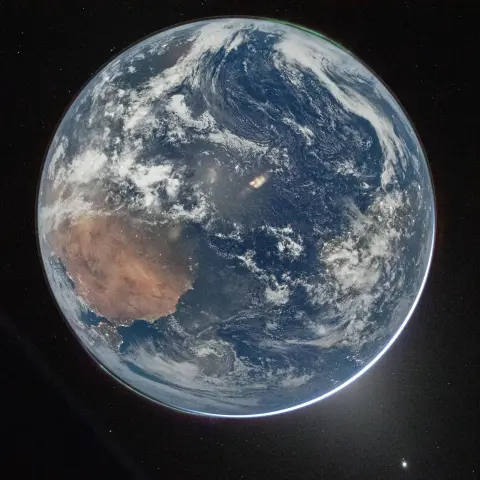
This image of home just came down from the Artemis II crew.
NASA Image and Video Library, serving up consolidated imagery and videos in one searchable location. Users can download content in multiple sizes and resolutions and see the metadata associated with images, including EXIF/camera data on many images.
ISO 51200
I didn’t even know it could go that high. 🤣
AFAIK anything past 32,000 is digitally expanded (which could be done with RAW post-processing).
EDIT:
See: www.photonstophotos.net/Charts/RN_ADU.htm#Nikon D…
The old Nikon D5, impressively, doesn’t seem to post-scale even at ISO 102400
Not sure I’d use a DSLR at this point though.
when you build your own spacecraft, feel free to use whatever you want.
Fairly well. The newest sensors do have better dynamic range, with some exceptions (like the fully stacked ones).
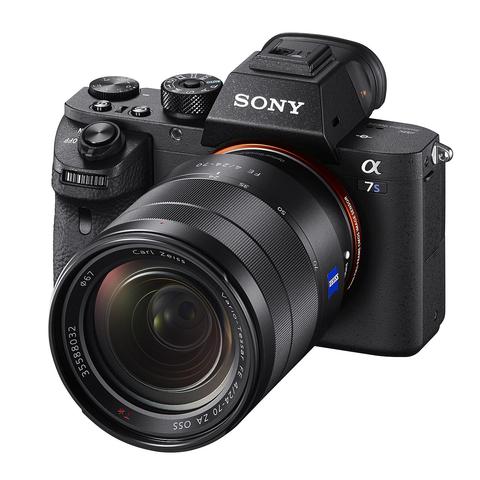
TBH they should probably take a medium-format Fuji with a brighter lens to space. Or an A7S like someone had above.
My 2015 Sony a7s2 has “native” iso to 102400, and expanded to 409600, but it was a special full frame low light sensor and it’s only 12MP (most from back then were 20-30MP with the same sized sensor.
From Wikipedia:
For still images, the α7S II’s ISO is 100–102400 with expansion down to ISO 50 and up to ISO 409600 equivalent. For movies, the α7S II’s ISO is 100-102400 equivalent with expansion down to ISO 100 and up to ISO 409600 equivalent. For still images or movies on auto setting, the camera’s ISO is 100–12800 with selectable lower and upper limits.[2]
Apparently they are using Sony going forward:
 baguette
 miss phant
 DivingRacoon