I have what may be a very ignorant question: if model-generated code may not be copyrighted due to a requirement of human authorship (current US Copyright Office policy), does it therefore follow that model-generated code may not be licensed under any terms whatsoever? Meaning anything from MIT to GPLv3?

I recognize no answers here would constitute legal advice, but I would love to hear from legal experts on this.
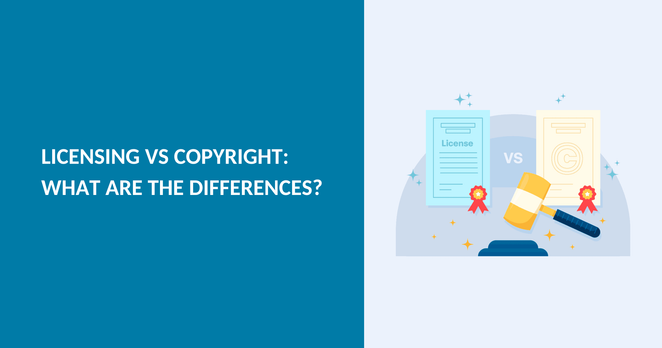
Licensing vs Copyright: Key Differences Creators Must Know

Understand the distinctions between licensing vs copyright. This article explores how licensing agreements affect copyright ownership and usage rights.

Copyright RPM

@fhekland

Can you license something without owning the copyright?

No, you need to own the copyright or have permission from the copyright holder to license the work.

So if no copyright is possible, no license is possible?

@fhekland Hey @cwebber ☝️ this was really bothering me. If the current precedent stands, it's absolutely the case that no open source license is enforceable on generative code, as the copyright is a prerequisite for any license.

I imagine there's a test of amount still, like if most of the code is human-authored, you could still claim copyright. But for example, the tool I just made with Claude Code as an experiment? Full public domain, no terms available to me.

@mttaggart @cwebber This is a really interesting question for all open-source projects. How is "plagiarised" code through an LLM relative to a forked repo? Is the LLM output OK as long as one respects the original licence and give proper credit? How on earth is one supposed to deal with this? Run your code through some plagiarism checker first?
Interesting times we live in..