(1/?)
This might be one of those rare occasions though where I disagree with @norightturnnz and agree with the NatACTs (*shudder*). I accept that the Clean Car Discount (CCD) was the best policy, when evaluated against the criteria used in their piece. But here's a few things I think that analysis misses;
(2/?)
1) The CCD was a subsidy for private vehicles. 80% loans for buying EVs would make more sense, for all the reasons given in the piece.
2) The charger network policy is a subsidy for common infrastructure, owned by 51% public-owned energy companies. Which in a sensible world, a future green-left government will split into 100% public-owned generation/ charging utilities, and companies owning the retail etc, which the 49% non-public shareholders can have their shares in (maybe, I guess).
(3/3)
3) Home charging is a great solution when using EVs for commuting. As is charging points at where they're commuting to, the likelihood of which could be boosted with these subsidies
4) Range anxiety is still an issue for leaving the beaten track around the major cities, and driving EVs in most of the country. The current charging network;
https://www.plugshare.com/map/new-zealand
... wouldn't cope with the 10-fold or more increase in rural EV use we might hope for. Are subsidies targeted there though? 🤷♂️
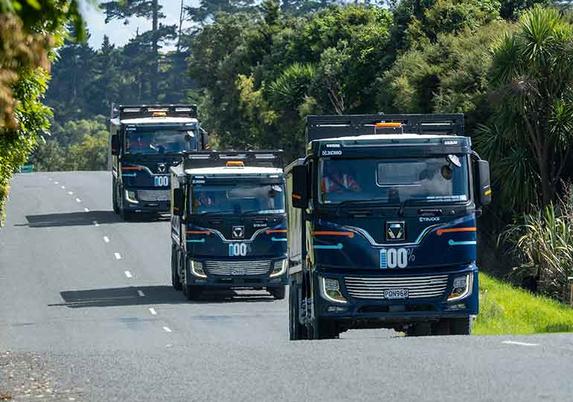
When NatACT First scrapped the Clean Car Discount for ordinary kiwis, they kept the Low Emissions Heavy Vehicle Fund, which subsidises entities buying new trucks. In 2025 they even expanded what it can cover, opening up grants to offshore companies;
https://www.eeca.govt.nz/co-funding-and-support/products/low-emissions-heavy-vehicle-fund/
Giving free public money to trucking businesses. Could there be any better evidence the NatACTs are in the pocket of the trucking lobby?
These definitely ought to be loans not grants.
(1/?)
Instead of giving free public money to trucking companies, the govt ought to fund academic studies and pilot projects that evaluate a range of low emissions heavy vehicles available in Aotearoa. We need to know stuff like;
* what technologies are the most energy efficient in our climate, and most practical given existing charging options
* durability of different tech options, and makes and models
* which makes/ models can be easily upgraded to increase useful life, at what cost?
(2/?)
Grants to projects intended to increase our knowledge about renewable-powered heavy vehicles ought to have a few strings attached. Such as obliging publication of all knowledge generated by projects receiving the grant - including journal articles, raw data, etc - under Free Culture license (eg CC0, CC BY, CC BY-SA, ODBL, etc).
(3/3)