 lode
lodeInside Nepal's Fake Rescue Racket
https://kathmandupost.com/money/2026/03/27/inside-nepal-s-fake-rescue-racket
Inside Nepal's Fake Rescue Racket
https://kathmandupost.com/money/2026/03/27/inside-nepal-s-fake-rescue-racket
“Wasn’t the system supposed to be fixed?“
Why would it be fixed? Insurance companies aren’t willing to invest in oversight, and everyone else profit, there is no incentive for changing the system.
If the cost to an individual insurance company is low enough (in the few millions) and they're not really at risk of it suddenly exploding, and the cost for them to mitigate is also in the millions (or risks killing a customer), they're unlikely to improve. Fight Club, but the other way around.
However, if they all gang up together they might do something - but that can cause other issues (a local insurer becomes the only insurance available, etc).
Nepal is a low income and high corruption country, where the government and formal business structures are unstable enough that 'tipping' becomes common even for government investigators...
It's basically a way for everyone to get more tourists dollars, which is one of Nepals primary exports.
I can tell you exactly what it cost for me. I took the helicopter from Gorakshep, the highest/last town on the EBC trek, to Lukla, the crazy airport people call the most dangerous one in the world. For me, a 255 lbs / 115kg guy, 2 Nepalis that are each half my size, a pilot, and our not-that-heavy hiking gear was 2000 USD in October of 2024.
Pics/video: https://www.instagram.com/p/DBTpLGtydZW/
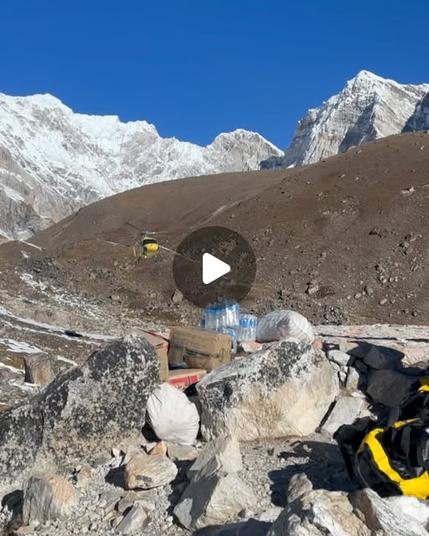
16 likes, 3 comments - devoutsalsa on October 19, 2024: "Day 11 of EBC trek. Having accepted my limitations about trekking, riding on helicopter seemed like a fun backup plan. It also has the added bonus of removing a couple days of trekking down the mountain. The hike from Gorakshep to Lukla was scheduled to take 3 days; and the helicopter took us to Lukla is 20 minutes.".
> But none of that worked “The scam continued due to lax punitive action,”
It percolated up. It’s usually what happens with corruption. If lower levels are found out to have a lucrative scheme, the higher ups (auditors, police, legislators) make a big fuss about stumping it publicly, but behind the scenes go and ask for a cut.
> But guides and hotel staff ... tell them they are at risk of dying, that only immediate evacuation will save them.
I got Acute Mountain Sickness at just 11k feet. Headache, nausea, dizziness, fatigue. I passed out until hitting the ground woke me up. I was very disoriented and vulnerable. If someone had told me that I had to get to a hospital or I'd die they could have led me like a tame goat. And they could be right. If you have high-altitude cerebral or pulmonary edema it is life threatening.
A guide getting a kickback can make it a lot more likely just by cutting short the boring acclimatization time.
> The second method is more troubling. At altitudes above 3,000 metres, mild symptoms of altitude sickness are common. Blood oxygen saturation can drop, hands and feet tingle, headaches develop. In most cases, rest, hydration or a gradual descent is all that is needed. ...investigators found that Diamox (Acetazolamide) tablets, used to prevent altitude sickness, were administered alongside excessive water intake to induce the very symptoms that would justify a rescue call.
This doesnt sound accurate. I have trekked the Himalayas for over a decade - the risks of AMS are very real. Two people I have trekked with have died due to AMS on separate himalayan treks - both had trekked multiple times before, and were well aware of the risks. Both the fatalities were around 12000-14000 feet - much below the Everest Base Camp trek. When AMS hits, you need to descend - as fast as possible, with whatever means you have at your disposal. Otherwise you have unknowingly entered a Russian Roulette.
And Diamox is used as a preventative course for AMS - alongside excessive water intake - this is standard guidelines in all high altitude himalayan treks.
