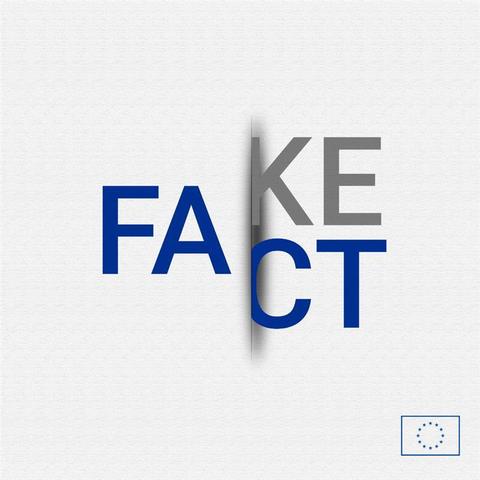
Fact-checking is more important than ever.

In a world shaped by AI-generated content, deepfakes, and increasingly sophisticated misleading narratives, it’s becoming harder to tell what’s real and what’s not.

That’s why we’re acting - with stronger rules and tools to tackle disinformation:

🔹The Digital Services Act
🔹The Code of Conduct on disinformation
🔹EUvsDisinfo
🔹European Digital Media Observatory

@EUCommission We shall for sure form a society-wide effort to educate older generations regarding not only this, but scams as well.

But I'm a bit of skeptical with the rules.
Don't get me wrong, we shall sanction deepfakes. But the law doesn't protect uneducated on all the scams / fakes to not fall victim to those. They can at most sanction the one who did it, if we'd be able to find the culprit.

We should put a huge emphasis on education.

@The_Universality @EUCommission By trying to control every word and image through these checklists, these institutions are simply 'shooting themselves in the foot.' You cannot trap the human spirit or the truth within a digital cage. Real authenticity exists #BeyondTheAlgorithm. Reality is pure."

@Zubair123kk @EUCommission Exactly.

Needless to say there are no technologies to reliably detect truth and even if those would exists, how would we be able to tell if they aren't tempered with by someone?

We wouldn't be able to.