 lightweight
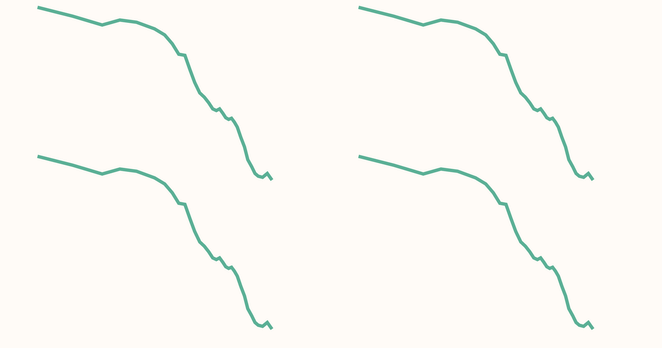
Battery costs have declined by 99% in the last three decades, making electrified transport a reality
 Incident Creator ❎
@lightweight
I reckon it's not an either/or thing. Grid infrastructure is a limiting factor either way, and the connections needed are radically different with their own complications and benefits that don't fit in a toot.
I reckon it's not an either/or thing. Grid infrastructure is a limiting factor either way, and the connections needed are radically different with their own complications and benefits that don't fit in a toot.
 Dave Lane
  🇳🇿
🇳🇿Of course @vik - which is why we should be requiring (regulating) power companies and Transpower to start making the necessary redesigns to remove such 'limiting factors' now rather than later. They're all enjoying record profits in any case, so let's get them to use it for good, not shareholder dividends. @[email protected]
@lightweight
There are so many things wrong with leaving the management of the grid to private industry and "market forces" it's not funny.
@[email protected]
There are so many things wrong with leaving the management of the grid to private industry and "market forces" it's not funny.
@[email protected]
 Future Sprog
You will both find the Issues Paper on this page from the EA very insightful as they work through various pressures on the grid:
There was a meeting today regarding it, but I forgot to dial in because I thought April 2 was next Tuesday and turns out *today* is April 2.
@futuresprog huh, turns out an old buddy of mine is one of the GMs of the Electricity Authority. Who knew!? @vik @[email protected]
There is certainly a share of jargon however I found it meaningful.
Of the entire document this paragraph was the most interesting:
DG can also create network costs
C.20. When injection occurs at times that demand is low, it can cause the network to incur additional costs, rather than avoid them. Too much injection at these times can cause export congestion, where future network capacity upgrades are driven by increases in peak supply, rather than peak demand.
@futuresprog
Indeed. Whether or not I supply electricity to the grid is determined by how full my batteries and EVs are, rather than by how much I'm being paid for power sent to the grid. Until I get paid more at peak than I have to pay for power off-peak, that situation will persist. Can't see that changing in a hurry, so they're going to improve the grid - whether it's me or grid batteries playing the game.
@lightweight @[email protected]
Indeed. Whether or not I supply electricity to the grid is determined by how full my batteries and EVs are, rather than by how much I'm being paid for power sent to the grid. Until I get paid more at peak than I have to pay for power off-peak, that situation will persist. Can't see that changing in a hurry, so they're going to improve the grid - whether it's me or grid batteries playing the game.
@lightweight @[email protected]
 Andrew
@lightweight @vik @[email protected] Maybe a good thing to hear is TransPower is going to replace the 3 Cook Strait cables, and will install a 4th at the same time.