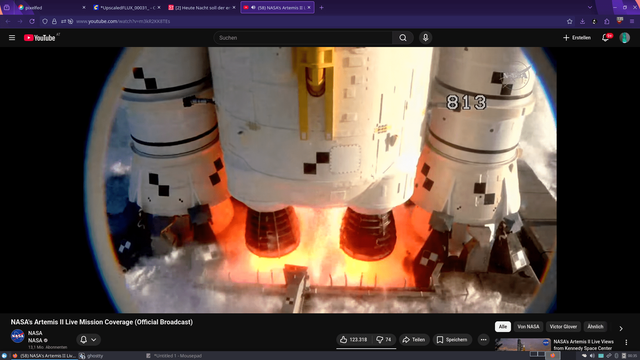
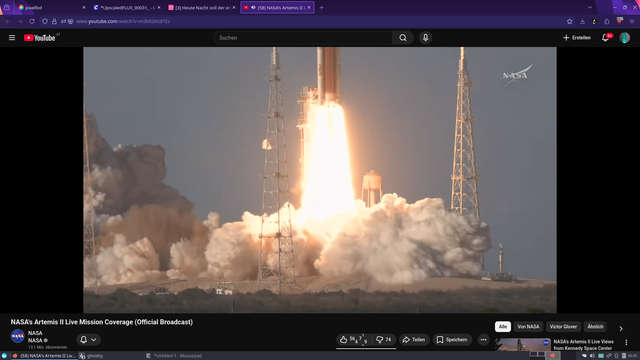
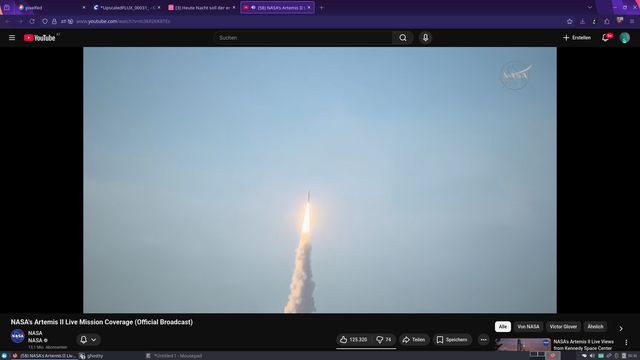
The Artemis II mission begins with the launch of the SLS rocket, placing the Orion spacecraft into a low Earth orbit. In the following hours, this orbit is expanded through several engine burns into a highly elliptical trajectory with a high apogee, while the crew performs system tests and proximity operations with the upper stage. Once in the correct position, the key maneuver takes place: the translunar injection. This burn sends Orion onto a precise trajectory out of Earth orbit toward the Moon. During the following days, the spacecraft coasts along this path with only minor course corrections.
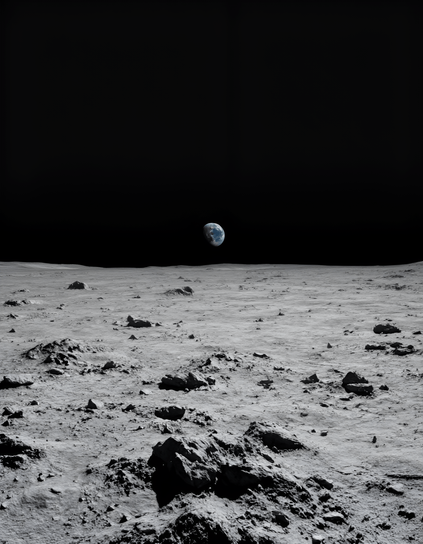
As Orion reaches the Moon, it enters a free-return trajectory, flying past without entering orbit. The Crew use the Moon’s gravity to bend their path and send them back toward Earth. During the far-side passage, communication with Earth is temporarily lost. After the flyby, Orion begins its return journey, requiring only small correction maneuvers. Before reentry, the service module is jettisoned, and the capsule reenters Earth’s atmosphere at high speed before splashing down in the Pacific Ocean.
The mission follows a classic free-return trajectory, last used by Apollo 17 in 1972, marking the first time in over 50 years that humans travel this close to the Moon again.
 PsychoticSheep