 trendless
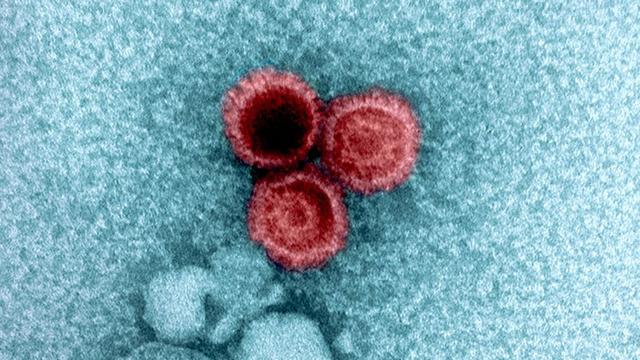
A team led by researchers at Harvard Medical School examined records of blood and saliva samples from more than 917,000 people across three medical databases, looking at patterns in the amount of viral DNA circulating through people's bodies when those infections didn't progress to disease.
The Epstein-Barr virus (EBV), for example, became more prevalent with age, while the herpes virus HHV-7 declined from middle age. EBV viral load went up in the winter and down in the summer, while others were more consistent.
The team found that a high viral load for EBV was a direct risk factor for developing Hodgkin's lymphoma later in life. However, the same relationship was not found between EBV and multiple sclerosis (MS), even though EBV is a known trigger for MS. That's an interesting finding because it suggests the link between MS and EBV depends on how the immune system responds to the virus, rather than the amount of virus present.
It's worth bearing in mind that, due to the genome sequencing data they sourced, the researchers behind this study only looked at DNA viruses, which hide in and hijack DNA. Additional work could also investigate RNA viruses, such as coronaviruses, which operate differently.
https://www.sciencealert.com/giant-study-reveals-why-some-viruses-hide-inside-your-body-for-life
 datum (n=1)