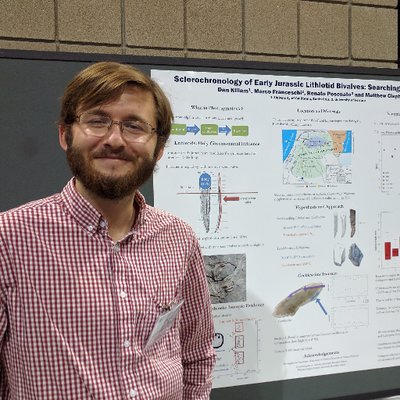
 Dr. Dan Killam
Polynesian cultures have used giant clams for food and shell-based crafts for thousands of years. The clams, which take years to reach maturity, can quickly be fished out if they aren't responsibly managed. A new study found that traditional management approaches in American Samoa, which include village elders coming to consensus on seasonal and size-based harvest restrictions, are highly effective at maintaining their populations, sometimes more than federally managed Marine Protected Areas! #clamFacts
https://news.mongabay.com/2026/03/traditional-protection-proves-more-successful-for-clams-in-american-samoa/
https://news.mongabay.com/2026/03/traditional-protection-proves-more-successful-for-clams-in-american-samoa/

Traditional protection proves more successful for clams in American Samoa
For coastal Indigenous communities in American Samoa, giant clams are deeply rooted in fa‘a Sāmoa (the Samoan way of life) and local food systems. According to the findings of a study published in PeerJ, it is village-based protections like fa‘asao (fishery closures) that have helped conserve giant clams lying in the islands’ shallow water coral […]
 Annelies Kamran, Ph.D.
 King of Tors