🍲POTS & PETALS🌸

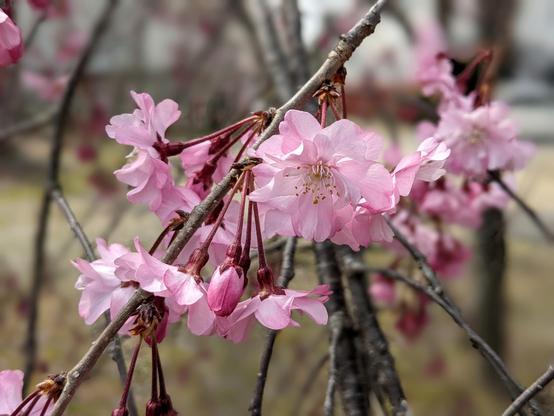
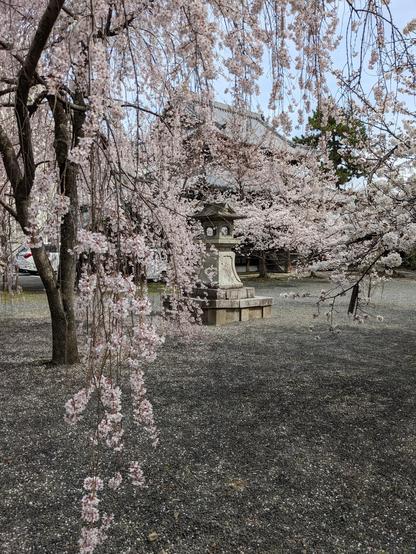
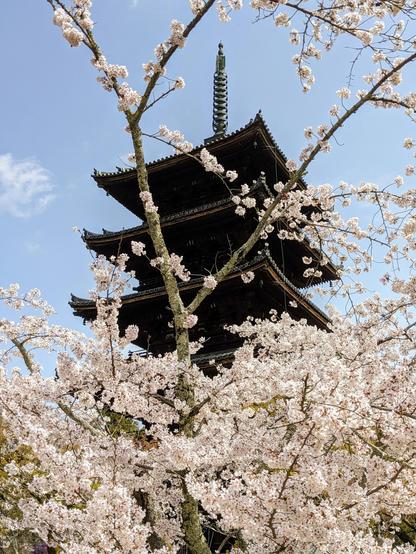
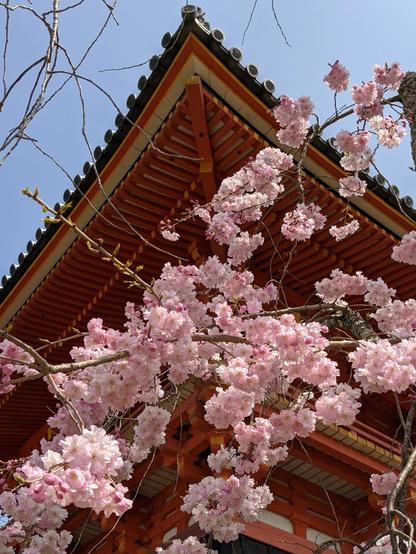
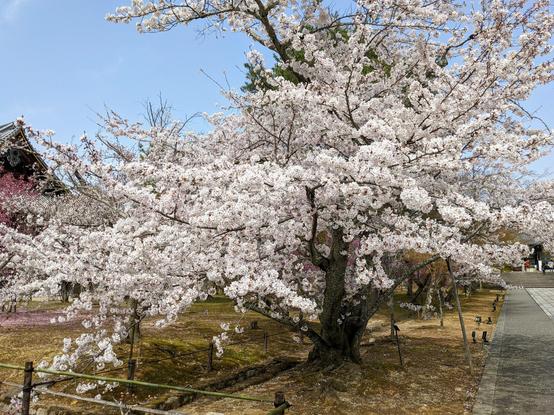
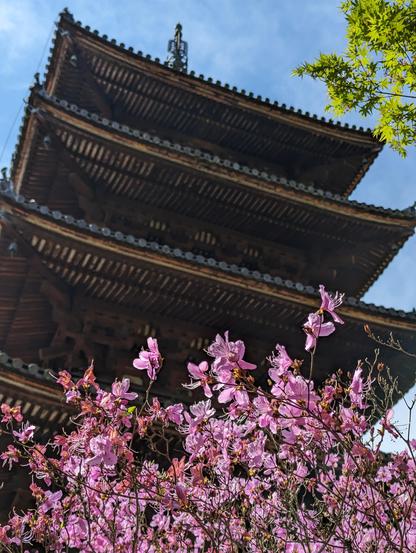
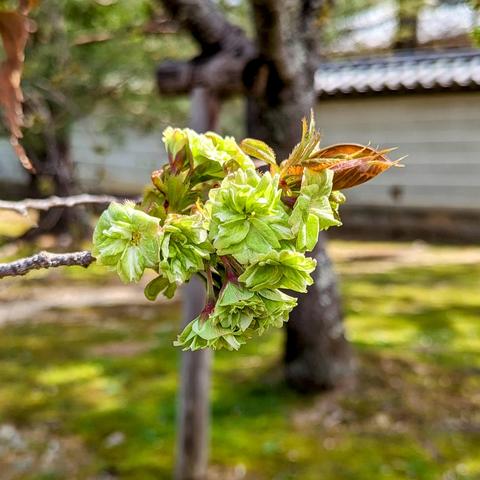
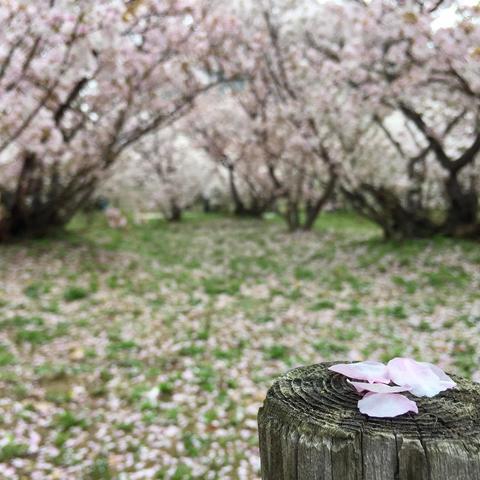
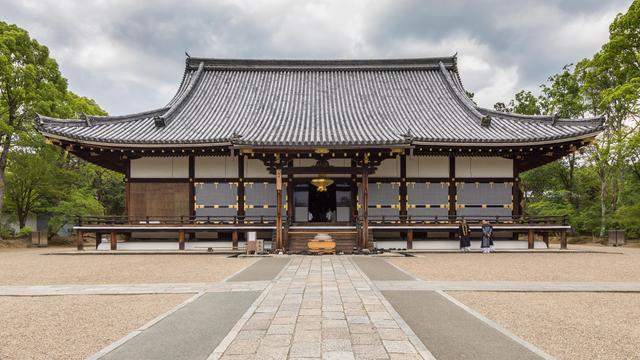
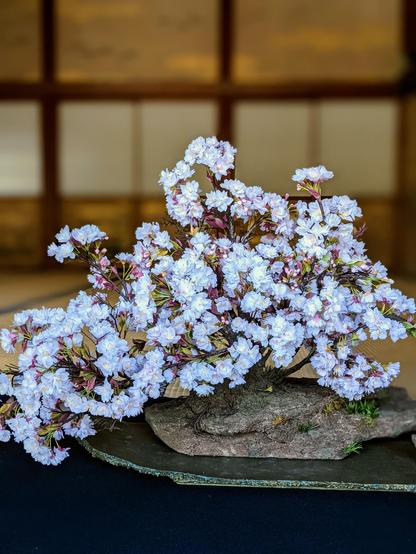
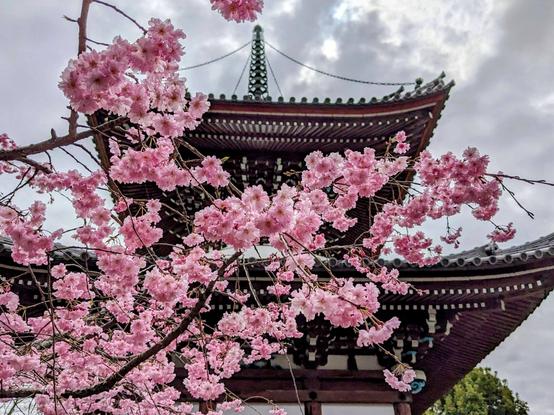
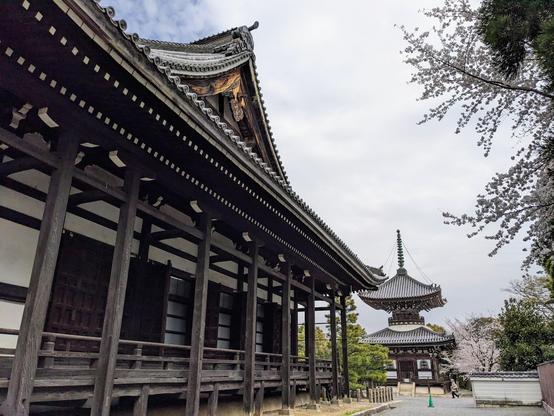
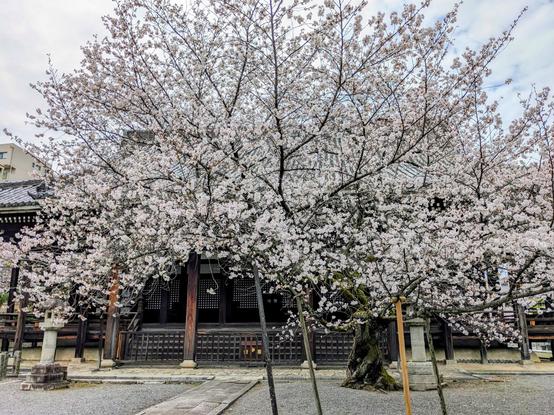
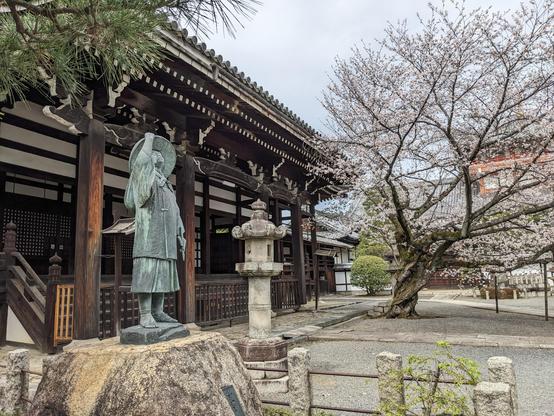
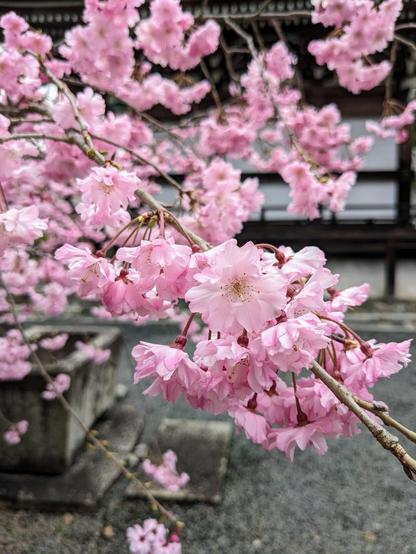
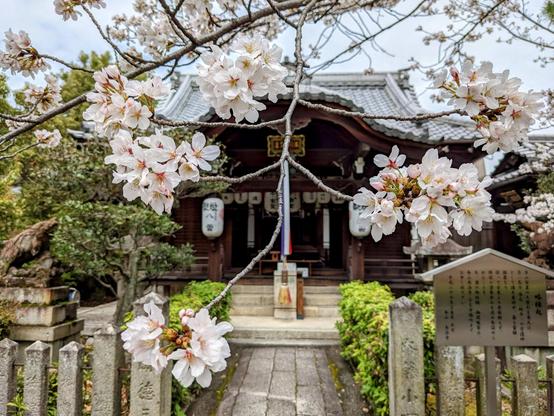
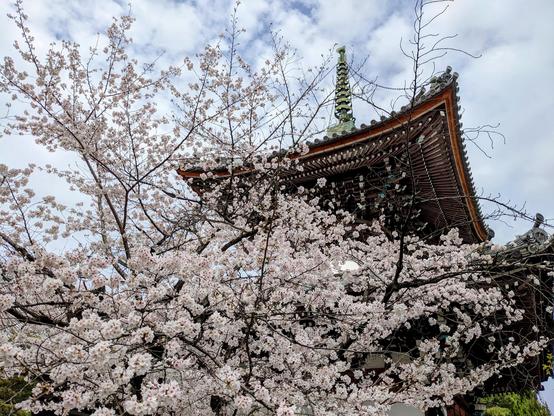
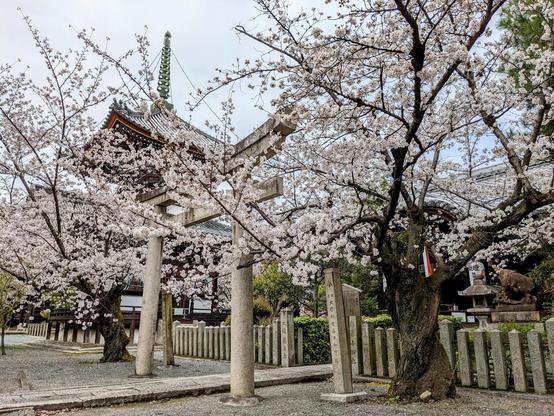
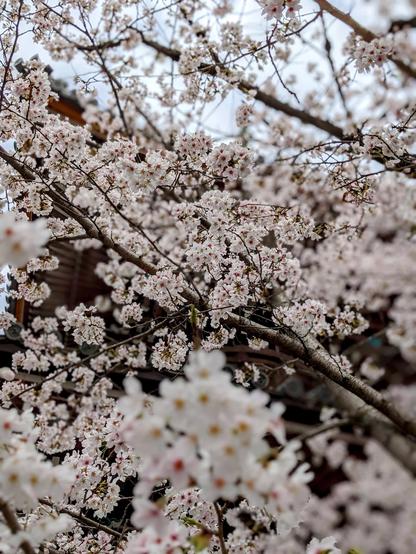
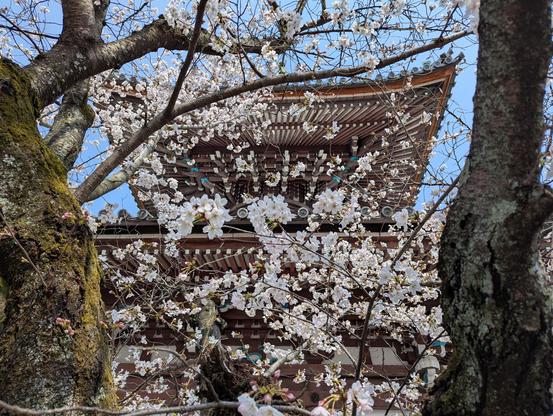
As I sat enjoying Ryūhon-ji's (立本寺) showy clouds of blossoms, already at their peak, I was reminded of the famous ghost story attached to the temple.
Indirectly it involves a baby and a pot, so I thought I'd stick with a 'pot' theme for today.
#folklore #Kyoto
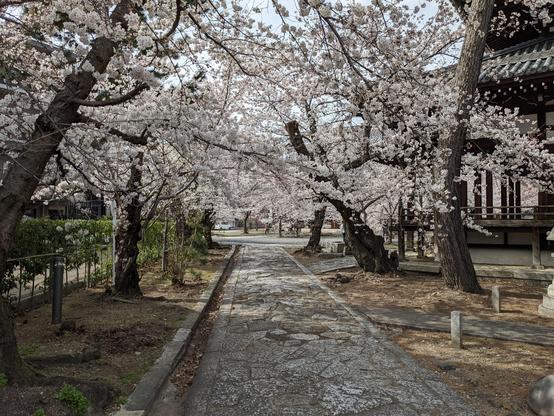
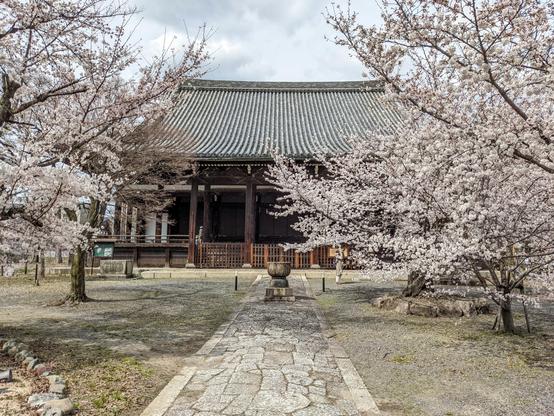
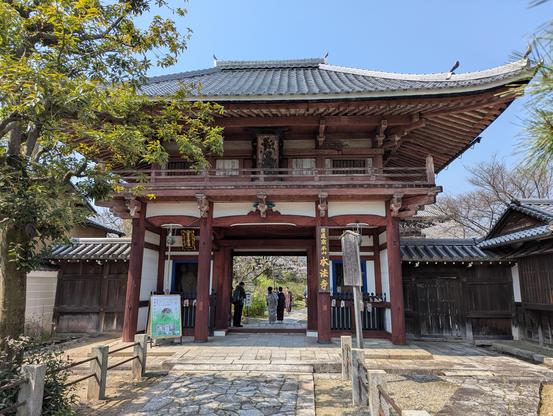
An inelegant stroll into Ryūhon-ji (it's bumpy because I kept stumbling into the drainage gutter beside the path😩).

A while ago the temple was forced to sell part of its grounds to pay for upkeep (an apartment for elderly people was constructed), but the sakura were spared😮‍💨

1) A NINNA-JI ACOLYTE LOSES HIS EARS & NOSE (仁和寺の法師)👃👂

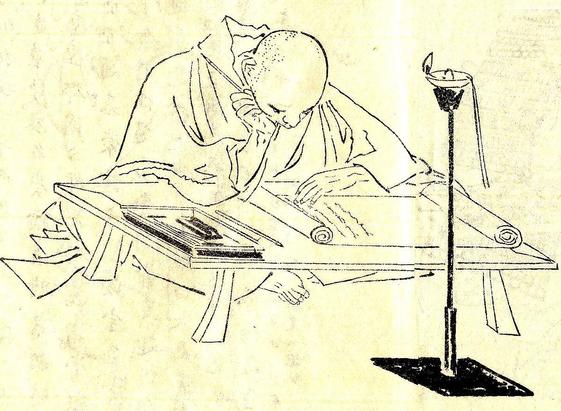
It was at the western foot of Narabigaoka (双ヶ丘) that essayist and poet Yoshida Kenko (吉田兼好 1283-1352) lived out his final years.
A mound in the nearby grounds of Chosen-ji (長泉寺) may be his final resting place.

Ninna-ji features in Yoshida Kenkō's (吉田兼好) famous "Essays in Idleness" (徒然草 "Tsurezuregusa").
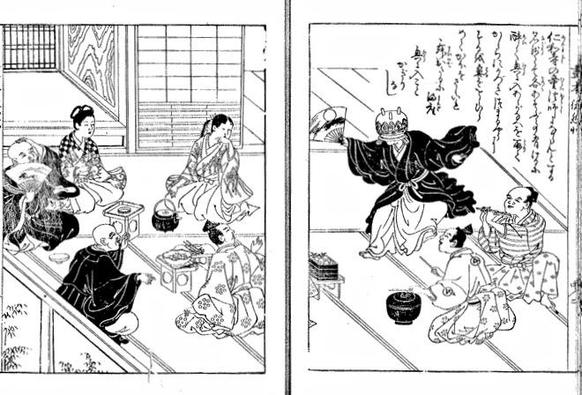
Episode 53, the 'true' story "The Priest of Ninna-ji" (仁和寺にある法師), describes a raucous feast held by the temple for a young acolyte about to take religious orders.
#Kyoto
As the night wears on the party becomes outrageously inebriated.
Drunkenly the acolyte takes up a three-legged iron pot, places it on his head and performs a dance. When he later tries to remove it, he discovers the pot is quite stuck😓
#folklorethursday #Ninnaji #仁和寺 #Kyoto
The other monks first try to break the pot open.
It remains stuck fast.
An attempt to cut it off only manages to scratch the acolyte, and so they rush him to a physician in the city. After examining the boy, the doctor concludes nothing can really be done!
#Kyoto #Japan #双ヶ丘
Collectively the group agrees that a person does not *really* need ears and a nose to survive, and so (most likely ignoring the doubts and protests of the acolyte) together they pulled the pot off with brute strength...
...along with the boy's ears and nose!
#Ninnaji #folklore
Yoshida does not record what happened to the boy, though certainly he would have been in pain for the rest of his life!
It's thought that the monks’ quarters featured in "The Tale of the Ninna-ji Priest" stood where the Omuro Kaikan (御室会館) can now be found.
#徒然草 #Kyoto

2) PUNISHMENT BY POT🥵

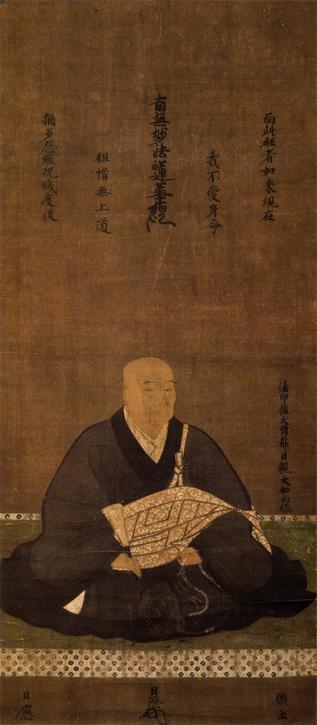
Honpō-ji (本法寺) was founded in 1436 by Nisshin (日親) as a place to propagate Nichiren Buddhism (日蓮仏教).
Nisshin would become better known as the 'Pot-headed Saint' (鍋かぶり日親) thanks to a run-in with Shōgun Ashikaga Yoshinori (足利義教).
#folklore

Nisshin preached 'fuju-fuse-gi' (不受不施義), a strict dogma that supported the notion that followers of Nichiren should have nothing to do with other Buddhist schools.
In his work 'Risshō Chikoku-ron' (立正治国論) Nisshin demanded the shōgunate suppress all other Buddhist sects.

Nisshin also used his work to accuse the shōgunate of poor government!
As you can tell, he had no chill🤷‍♂️

Unfortunately for the priest, Ashikaga Yoshinori (足利義教 1394-1441) was notoriously dictatorial and particularly vindictive towards his enemies.

Nisshin was arrested.

Nisshin was arrested in 1439 and would spend the next two years in prison. In 1440 Honpō-ji was demolished and the Fuju Fuse school (不受不施派) banned.

And here it gets nasty.
Nisshin was tortured with a metal pot, heated and rammed down on his head!🔥
#Japan #Kyoto #足利義教

Legend has it that the pot melded to Nisshin's head just above the eyes...and because of this he later became known as 'Nabe-kamuri Nisshin' (鍋かむり日親 'Pot Head Nisshin').

Nisshin might have died in prison, but in 1441 Yoshinori was assassinated.
#folklorethursday #Japan

Whether or not the pot remained on Nisshin's head until death is unclear.
Despite being in pain for the rest of his life (and possibly having his tongue cut out), Nisshin continued his missionary work (proving popular) and Honpō-ji was revived.

Pots: 2 / Men: 0
#folklore