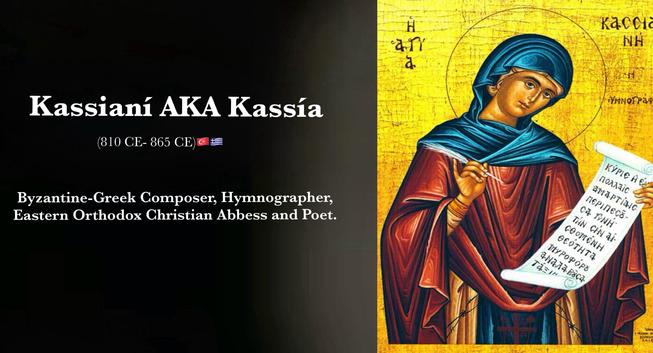
First up is a collection of hymns and recitive chants written and composed by Kassia (https://youtu.be/nTGELv1dJZM?si=v0m4_GU7RHN-at98), who was a Byzantine-Greek Composer, Hymnographer, Eastern Orthodox Christian Abbess and Poet. Similar to Hildegard of Bingen (1098–1179), Kassía’s work was not given its proper place in musical history until fairly recently.
#BaroqueSun #WomensHistoryMonth #Kassiani #Kassia
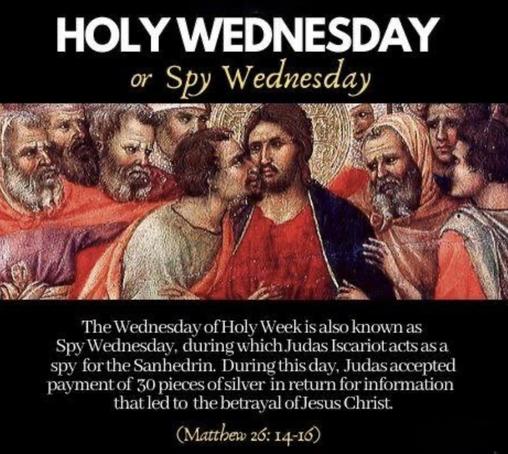
Her most famous piece is “Hymn of Kassia” AKA “Troparion of Kassiani”, which is one of around 50-70 pieces attributed to her but as with all Early music the attribution gets a bit fuzzy at times. This piece is heavily associated the “Holy Wednesday” (the bargaining of Judas as a spy amongst the disciples)
#BaroqueSun #WomensHistoryMonth #Kassiani #Kassia
This is essentially the same song (https://youtu.be/S6m3AbF9rws?si=xowwJEXuyWhgstN4) by Kassia BUT I really enjoyed their take on it so.. here it is. Okay? OK!

#BaroqueSun #WomensHistoryMonth #Kassiani #Kassia
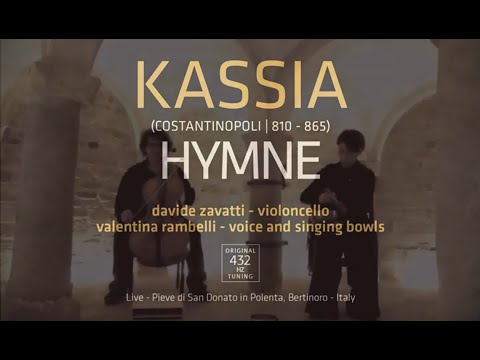
Kassia - Hymne - 432 Hz - cello, voice & singing bowls - Davide Zavatti & Valentina Rambelli - Live

YouTube

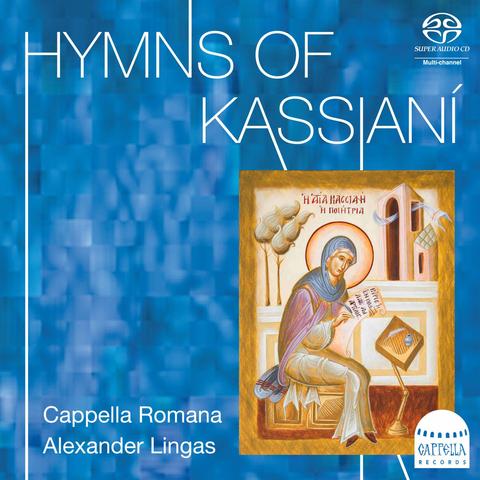
You can hear more Hymns composed by Kassia from Cappella Romana from their 2021 album “Hymns of Kassianí” for free here (https://youtube.com/playlist?list=OLAK5uy_nzaT8zCtnpnrfjsPXBsL_FG2tw6F9VQ9M&si=jlivVAxzvaSdkMmJ)


#BaroqueSun #WomensHistoryMonth #Kassiani #Kassia
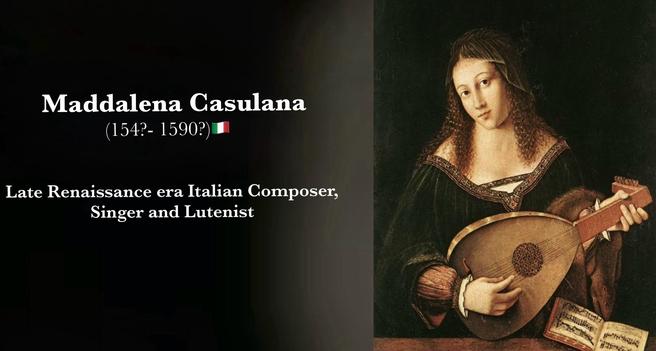
Maddalena Casulana was Renaissance era Italian Composer, Singer and Lutenist who was the first woman to ever publish her own musical compositions that were attributed to herself. Around 70 of her madrigals are believed to still be surviving. “La Dea Che Nel Mar Nacque” (https://youtu.be/nmodSWZrkJ4?si=9H0J6iVsWR5h3_UR) refers to the birth of the Goddess Venus
#BaroqueSun #WomensHistoryMonth #MaddalenaCasulana
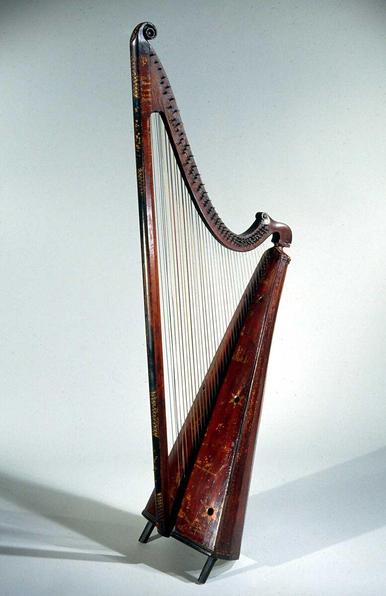
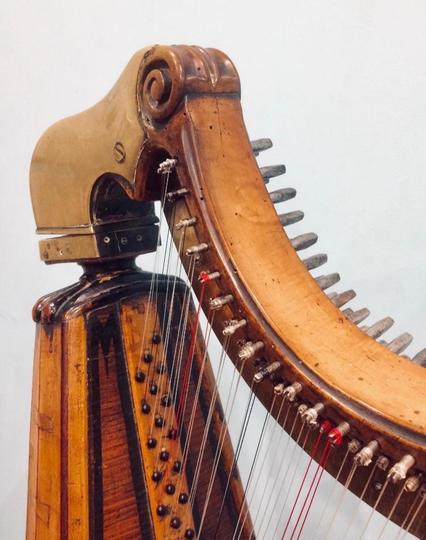
This performance utilizes a traditional Triple Harp which has three parallel rows of strings instead on a single row like contemporary harps
#BaroqueSun

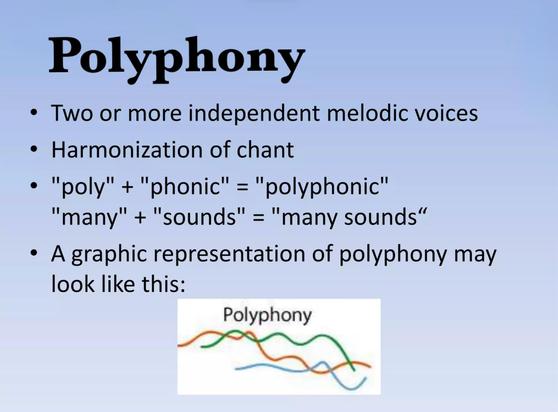
“Gli Ochi Lucent'e Belli” (https://youtu.be/gq20oFkxwn8?si=cU0w6_bMXc6Jr9rq) by Maddalena Casulana is notable for its use of polyphony (the use of 2 or more melodic lines), which was not widely used in compositions at this time.

#BaroqueSun #WomensHistoryMonth #MaddalenaCasulana

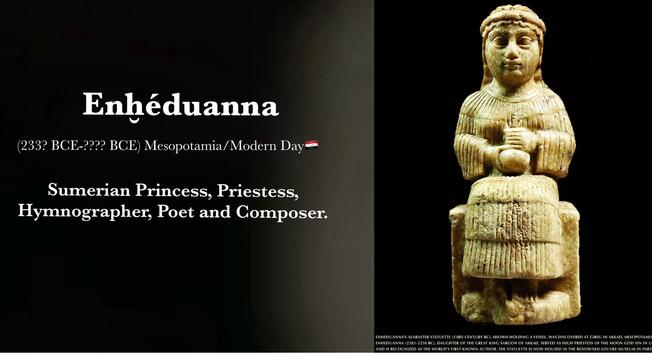
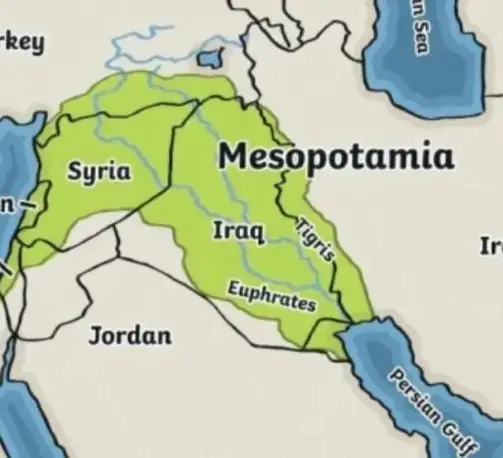
Enhéduanna was a Sumerian Princess, Priestess, Hymnographer, Poet and Composer who is considered to be the earliest known named author in world history. A Trobairitz by trade, she was essentially one of several female noblewomen who were traveling troubadours. In Enhéduanna’s case she mostly traveled around Mesopotamia (fuzzily the area around modern day Iraq) “The Exhaltation of Inanna” (https://youtu.be/PSoLHfnr5Gc?si=c_fFINAIpH7lS1Gw) is one of her few surviving pieces

#BaroqueSun #WomensHistoryMonth #Enheduanna

Mesopotamia for reference:
#BaroqueSun
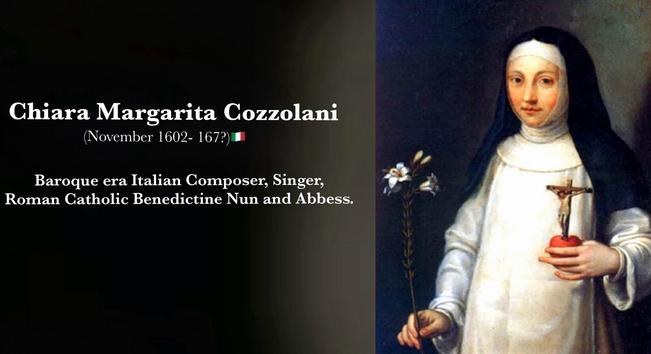
Chiara Margarita Cozzolani was a Baroque era Italian Composer, Singer, Roman Catholic Benedictine Nun and Abbess. She was one of more than a dozen cloistered women who published sacred music in seventeenth-century Italy. “O praeclara dies” is actually a motet written for Christmas (https://youtu.be/DD56SQpPYb8?si=U0fkwhJoaVBCzlmF)
#BaroqueSun #ChiaraMargaritaCozzolani #WomensHistoryMonth
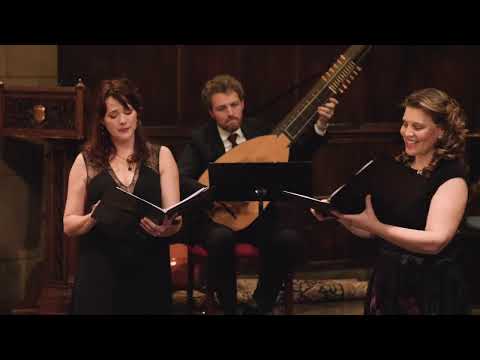
“Venimus in Altitudinem Maris” (https://youtu.be/nxnCRU5kVKE?si=fSYIde2bakH66Vj7) is a quirky little piece that celebrates The Virgin Mary’s protection of seafarers
#BaroqueSun #ChiaraMargaritaCozzolani #WomensHistoryMonth
Venimus in altitudinem maris | Chiara Maria Cozzolani | Tenet Vocal Artists

YouTube
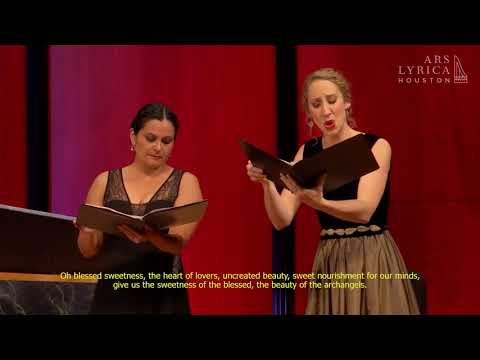
Cozzolani’s “Tu dulcis, O bone Jesu” (https://youtu.be/On0BsRMX_Bk?si=yUIym05HMg6jpFAx) is another quirky piece that focuses on the physical and spiritual salvation of mankind via The VIrgin Mary’s milk (???) and Jesus’s blood

#BaroqueSun #WomensHistoryMonth #ChiaraMargaritaCozzolani
Bone Jesu, Chiara Margarita Cozzolani (1602–c1676)

YouTube
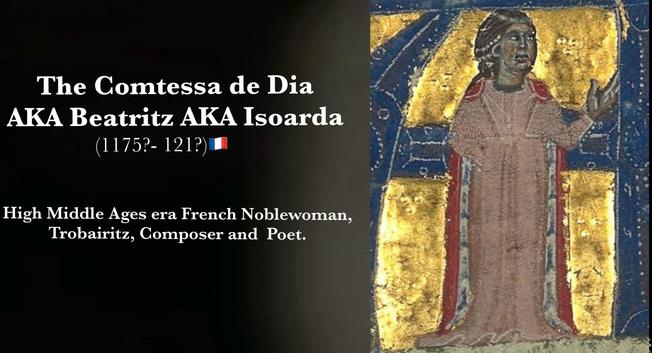
The Comtessa de Dia AKA Beatritz AKA Isoarda was a High Middle Ages era French Noblewoman,, Composer and Poet. Like Enhéduanna, she was a Trobairitz by trade. “A Chantar” (https://youtu.be/dczeBW3r_Mg?si=eW4chJ5ZYMD4A5Nj) is a secular piece *dodges holy water* but I think it’s both a beautiful piece of music and the lady who makes these harp videos is hilarious lol
#BaroqueSun #WomensHistoryMonth #TheComtessaDeDia

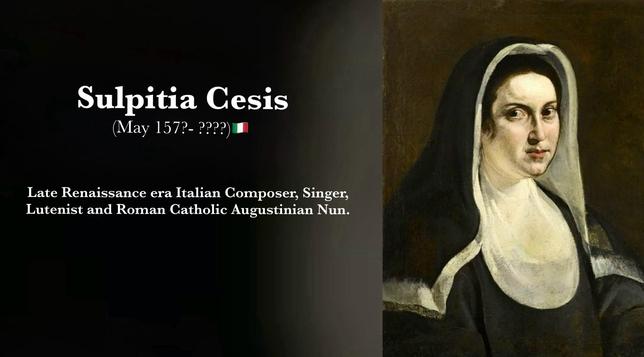
Our final female composer is Sulpitia Cesis, a Late Renaissance era Italian Composer, Singer, Lutenist and Roman Catholic Augustinian Nun. “O Crux Splendidior” (https://youtu.be/OUBD15C8ZUU?si=vU6_PvmMG8Dm5Dav) is a motet about the invocation of the cross

#BaroqueSun #WomensHistoryMonth #SulpitiaCesis

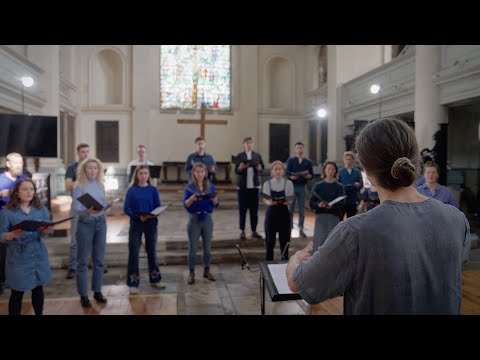
Our final piece is Sulpitia Cesis’s “Stabat Mater” (https://youtu.be/03b07O56TnA?si=yHSOBRhedHaLm4Xq) b/c I’ve never heard a “Stabat Mater” that I didn’t love. Also, Easter is next week so…
#BaroqueSun #WomensHistoryMonth #SulpitiaCesis
Sulpitia Cesis: Stabat Mater - Corvus Consort

YouTube