🧵Canadian politicians pushing pipelines in 2026 are just flat out wrong
"There is every reason to believe that the war will accelerate the fossil fuel decline that was already under way before the missiles & drones began to fly across the Middle East"
energymixweekender.substack.com/p/an-energy-...An Energy War is Raging. The L...
An Energy War is Raging. The Last Thing Canada Needs is More Fossil Fuel Production.
The Middle East war is the excuse du jour for new oil and gas exports. But with the energy shock driving importing countries to ditch fossil fuels, Canada must prepare for the industry's decline.
The world has changed. Most of Canada's politicians have not and it will cost us dearly. It means standing with Trump's America on the losing side of the
#EnergyTransition.
#cdnpoli #CanadaSky #abpoli #ClimateChange #ClimateSky cleantechnica.com/2026/03/19/t...The Hormuz Shock & The Rise Of...
The Hormuz Shock & The Rise Of The Electrostate - CleanTechnica
War in the Gulf is reshaping energy markets and fertilizer supply, strengthening the case for electrification across fossil importing economies.
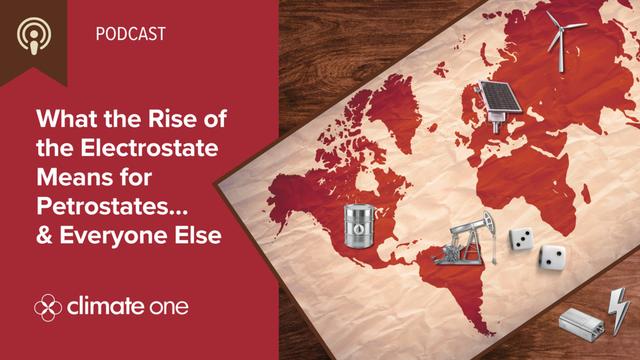
What the Rise of the Electrostate Means for Petrostates… And Everyone Else
For decades we’ve seen nations exercise geopolitical dominance tied to their production and control of fossil fuels – especially oil. But that leverage may be changing. Last year, China installed nearly twenty times the amount of wind and solar as the United States. In this essay in The National Interest, the authors lay out a global political and economic realignment already underway. Petrostates, like those in OPEC, are increasingly at odds with electrostates like China and many in the EU. This isn’t to say that electrostates are not without resource challenges – they’re seriously dependent on mineral supply chains – but the challenges are different, as are the opportunities. When 70% of the world’s population lives in fossil-fuel-importing countries, how are these diverging resource paths shaping the global balances of power? Guests: Tatiana Mitrova, Global Fellow, Center on Global Energy Policy, Columbia University Vijay Vaitheeswaran, Global Energy & Climate Innovation Editor, The Economist Li Shuo, Director, China Climate Hub at the Asia Society Policy Institute For show notes, related links, and episode transcript, visit https://climateone.org/podcasts Highlights: 00:00 – Intro 04:30 – Tatiana Mitrova on petrostates and the idea of electrostates 10:00 – Electrostates are already taking market share from petrostates 13:30 – How Mitrova sees balance of power shifting as world electrifies 17:15 – Vijay Vaitheeswaran on the concept of an electrostate 26:00 – How cheap electricity could allow developing nations to skip over fossil fuels 34:00 – Vaitheeswaran on how U.S. should take on industrial policy in this moment 38:00 – Li Shuo: China’s latest 5-year plan suggests it will double down on clean tech sector 41:00 – China installed nearly twenty times wind and solar as U.S. last year 49:30 – China is on track to become firs ********** Support Climate One by going ad-free! By subscribing to Climate One on Patreon, you’ll receive exclusive access to all future episodes free of ads, opportunities to connect with fellow Climate One listeners, and access to the Climate One Discord. Sign up today at patreon.com/ClimateOne. Ad sales by Multitude. Contact them for ad inquiries at multitude.productions/ads Learn more about your ad choices. Visit megaphone.fm/adchoices
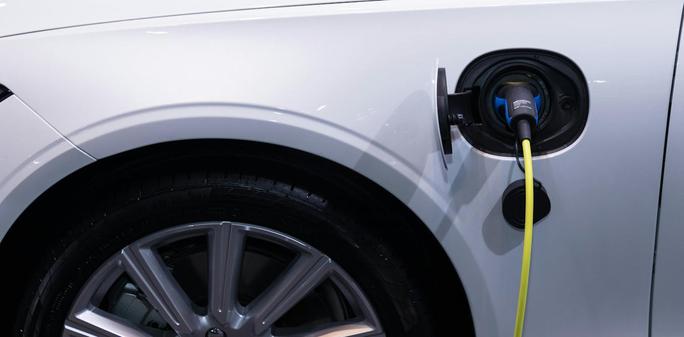
Our interest in electric vehicles has grown due to oil price spikes. And it’s likely to remain
The clear signal this trend data sends is Australians are a pragmatic lot. If using an EV might save them money, they are interested.
This is an easy argument to make and it resonates with more people every day. Canadian politicians pushing pipelines are increasingly out of touch with what's good for Canada and Alberta
#EnergyTransition #cdnpoli #CanadaSky #abpoli #ClimateChange #ClimateSky #abpoli bsky.app/profile/llfa...
RE: https://bsky.app/profile/did:plc:2gxjmpbdent2gq6bjgsu7ajy/post/3mgx2vmd4hc26
Iran war energy crisis is a renewable energy wake-up call
The Iran war is exposing how much the global economy still depends on fragile fossil fuel supplies. The conflict has virtually choked off the Strait of Hormuz, a vital shipping lane for a fifth of the world’s oil and liquefied natural gas. That's shaking up markets and pushing prices higher. Countries reliant on imported fossil fuels — from wealthy industrial economies to poorer developing nations — are facing major disruptions that can quickly ripple through utility bills, food prices, transport costs and electrical grids. Analysts say the crisis is a stark reminder that energy security is not just about stockpiles and shipping, but also about the lagging transition to renewable energy.
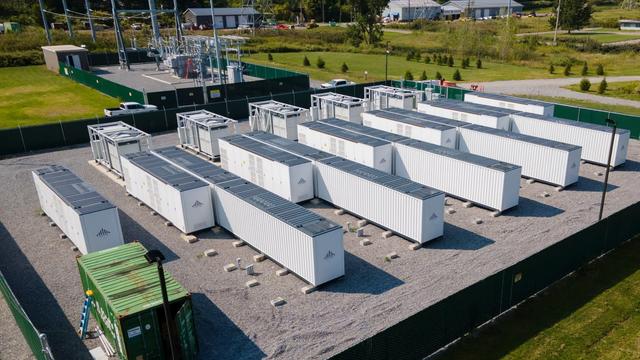
China battery trio gain $70bn as Iran war sparks ‘paradigm shift’
Share price rises for clean energy companies outstrip oil majors as investors bet on switch to renewables
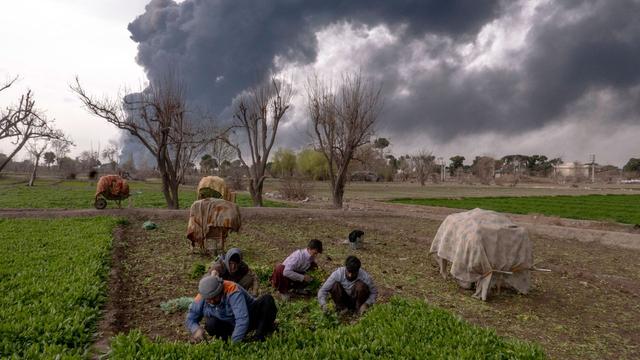
The Iran War Is Another Reason to Quit Oil
Bill McKibben on the U.S.’s increasing reliance on “greener” defense options, such as inexpensive small drones versus large, costly missiles.

Oil Shock Resilience with Chinese Characteristics
What the Iran War Reveals About Beijing’s Grand Strategy
 Bentley ****TALK CLIMATE****