 rwmj
rwmjBritain today generating 90%+ of electricity from renewables

> Britain paying highest electricity prices in the world for second year running
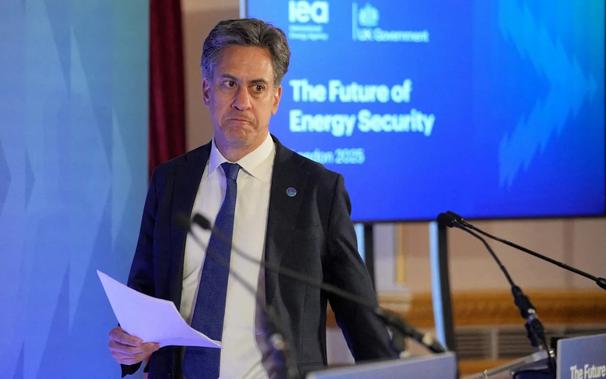
> Ed Miliband’s net zero targets are facing fresh scrutiny after Britain was found to be paying the highest electricity prices in the developed world.
> New data published on Tuesday showed the price paid by UK industry for power was 63pc higher than in France and 27pc higher than in Germany.
> Britain is also the second-most expensive country in the world for household electricity, with billpayers paying twice as much as those in the US.
https://www.yahoo.com/news/articles/britain-paying-highest-e...
Yes. But these things can be orthogonal. Or actually brcause gas is expensive.
https://www.bbc.com/news/articles/crkep1vx3mro
The price for wholesale electricity is set by a bidding process, with each generating company saying what it would be willing to accept to produce a unit of electricity.
Once built, the cost of generating power from renewables is very low, so these typically come in with the cheapest bid. Nuclear might come next.
Gas generators often have the highest costs, because they have to buy gas to burn, as well as paying a "carbon price" - a charge for emissions.
The wholesale cost is set by the last unit of electricity needed to meet demand from consumers. This means that even if gas only generates 1% of power at a given time, gas will still set the wholesale price.
I've read this before and I don't understand how this doesn't become/is untenable.
Doesn't this mean that solar/wind are insanely lucrative?
Also, this would mean that in order to really bring the price down, gas needs to be taken out as a source. But gas is typically the source that balances the grid because its output can be changed quickly. So price wise, you might get a drop but you would lose your ability to react quickly to fluctuations in demand
> Doesn't this mean that solar/wind are insanely lucrative?
This is how markets are supposed to work. It provides an economic incentive for production to increase, which is what we want.
Consider what happens if you develop a farming method to produce potatoes for a fraction of the usual cost, but you can only meet 10% of total demand at your local market. What price are you going to sell your potatoes for when you show up to the market? You (like any free market seller) want to maximise your return, so you'll be able to sell for a fraction under the previous market rate, undercutting everyone else. Your farming method would be extremely lucrative.
Sure, but those same free markets will happily see those expensive producers go out of business. In the electricity scenario, that would mean blackouts.
If you triple the price, you don't have a new gas plant appear out of thin air. And the result won't really be lower consumption either, because most people would have fixed rate contracts (not in the UK so don't know specifically, but this is very common elsewhere)