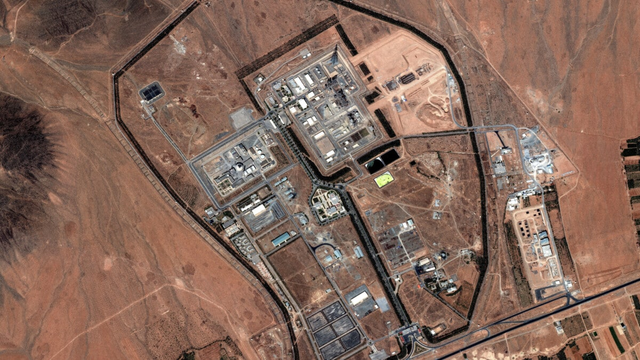
๐Ÿ‡ฎ๐Ÿ‡ทโ˜ข๏ธ๐Ÿ’ฅ ๐—œ๐——๐—™ ๐—ฆ๐˜๐—ฟ๐—ถ๐—ธ๐—ฒ๐˜€ ๐—”๐—ฟ๐—ฎ๐—ธ ๐—”๐—ด๐—ฎ๐—ถ๐—ป ๐—–๐—น๐—ผ๐˜€๐—ถ๐—ป๐—ด ๐—œ๐—ฟ๐—ฎ๐—ป'๐˜€ ๐—ฃ๐—น๐˜‚๐˜๐—ผ๐—ป๐—ถ๐˜‚๐—บ ๐—ฃ๐—ฎ๐˜๐—ต๐˜„๐—ฎ๐˜†

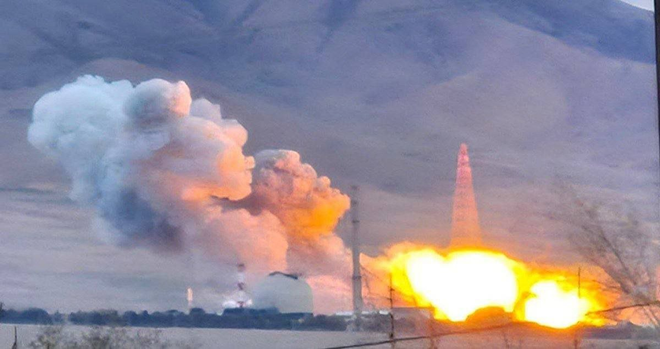
IDF confirms bombing Iranโ€™s heavy water reactor IR-40, part of the Iranian Arak Nuclear Complex.

If repairs and construction had been completed, it would be capable of producing plutonium for nuclear weapons.

Iran was working on two separate but parallel routes to a nuclear weapon. One required enriched uranium and centrifuges.
1/4
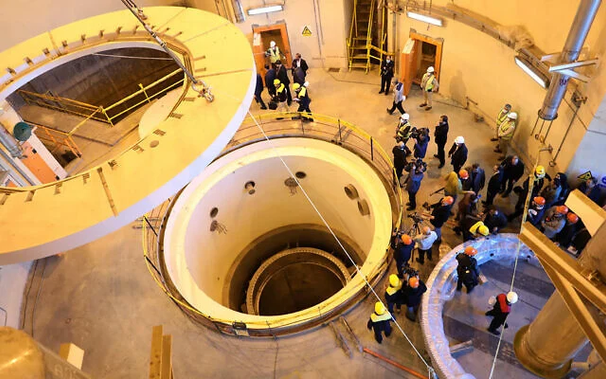
The other required heavy water and natural uranium.

Iran's uranium enrichment centrifuge program has been the primary public focus of this campaign because it was active and functional.

Heavy water reactors are significant because they can use natural uranium which requires no enrichment. This means the plutonium pathway is independent of the enriched uranium program the U.S. and Israel have been targeting.
2/4

The Arak reactor was partially disabled under the 2015 JCPOA when the reactor core was filled with concrete. But Iran had been working to restore and upgrade it.

IDF also struck the facility on June 19, 2025, because Iran had initiated repairs after the JCPOA was unilaterally abandoned by the U.S.

The fact that Arak required a second strike indicates Iran was making measurable progress on restoration despite the first.
3/4

The tower visible in the image is at the adjacent hydrogen sulfide (H2S) production plant. H2S is a key input in heavy water production. Destroying it as well would further degrade the complex.

#OSINT #Iran #OperationEpicFury #EpicFury
4/4