🧵The Covid Inquiry’s latest reports have made one thing brutally clear: the first year of the pandemic - and especially the second Covid wave in winter 2020/21 - was devastating.
Much of that devastation was avoidable.
This 🧵: impact on NHS, impact on bereaved, and avoidable harm. 1/19
Start with the NHS.
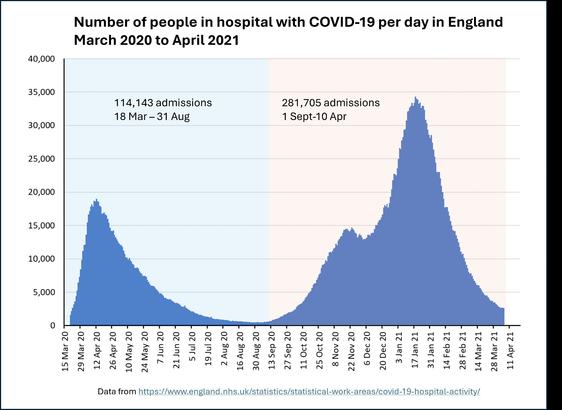
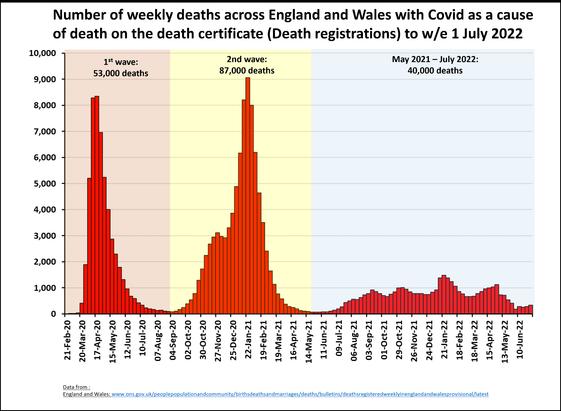
However bad the first wave was in England - and it was awful - the second wave was worse.
More than twice as many people were admitted to hospital with Covid in the second wave compared to the first wave. 2/19
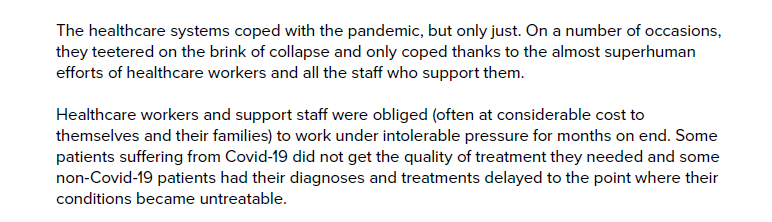
The second wave in particular placed extraordinary strain on hospitals and staff.
Services were overwhelmed. Staff worked under relentless pressure.
“Coped” is too mild a word for what many endured. 3/19
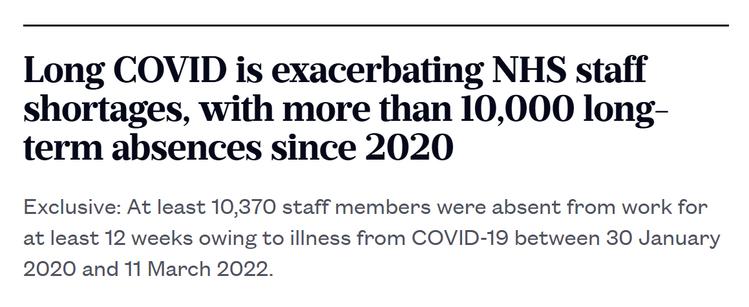
NHS staff were among the most exposed people during that 1st yr. They had neither the protection of effective treatments or - for the first 9 months - a vaccine.
Healthcare workers were much more likely to have been infected, to get Long Covid, and to die. 4/19
By April 2021 half of NHS staff said work or study had harmed their mental health; and by Nov 2021 64% were suffering from a work- or study-related mental health condition.
Of ICU staff in England in Jan 2021, 52% reported symptoms consistent with severe depression & 47% with PTSD 5/19
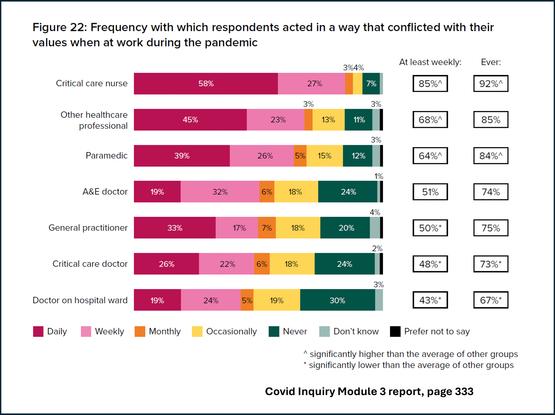
The distress experienced by NHS staff was more than burnout - it was also the impact of moral injury.
The Inquiry found that 80% of healthcare staff reported having to act in ways that conflicted with their values - for many front line staff this happened *every day*. 6/19
This devastating, emotional, 2-minute clip of the oral evidence from Professor Kevin Fong (
@[email protected]) discussing his hospital visits at the height of the second wave perhaps explains it best. 7/19
The “unimaginable scale of deaths” that Professor Fong talks about in the clip were people - people who left behind devastated loved ones up and down the country.
There have been more than 200,000 Covid-related deaths in England to date; 140,000 of them were during the first two waves. 8/19
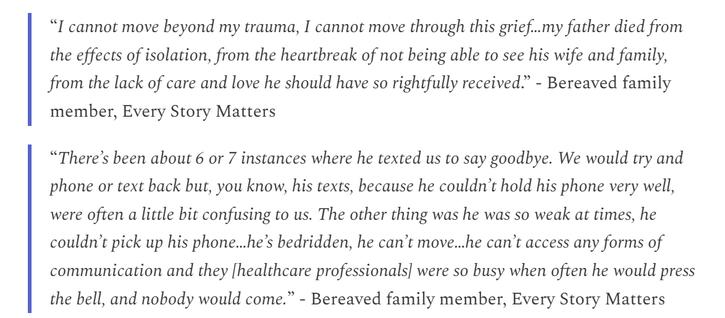
The final set of oral hearings for the Covid inquiry were given by the bereaved. Some of their stories are also captured in the Inquiry’s “Every Story Matters” collection.
covid19.public-inquiry.uk/documents/ev...
9/19
It didn't have to be this way.
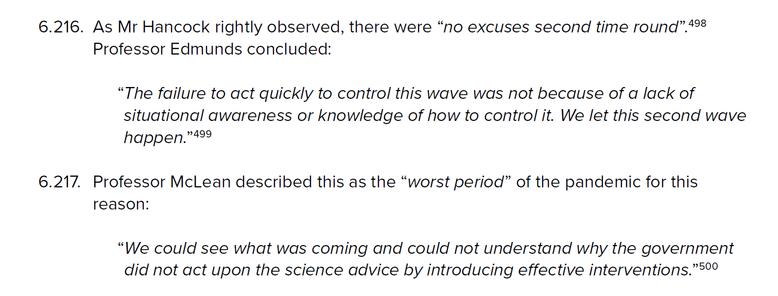
The Module 2 report concludes that the scale of deaths in the first wave could have been much lower and the devastating second wave could have been largely avoided. Tens of thousands of deaths could have been prevented. 10/19
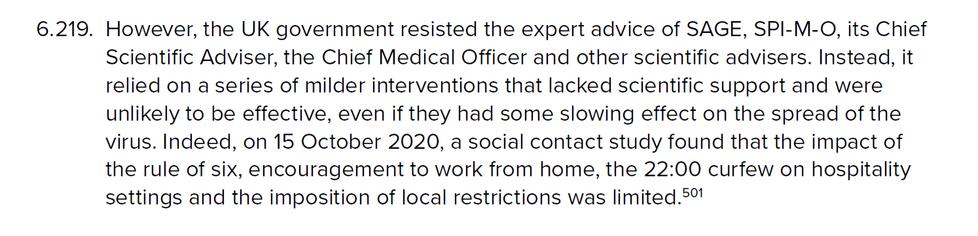
Experts from SAGE, who were advising the government, testified that the government was not following the science in the autumn and winter of 2020. 11/19
And it wasn’t just SAGE. The Academy of Medical Sciences published a detailed report in July 2020 (shared with the govt via SAGE) on the need to prepare for a challenging winter, including advice on NHS resilience, contact tracing, and public health mitigations. 12/19
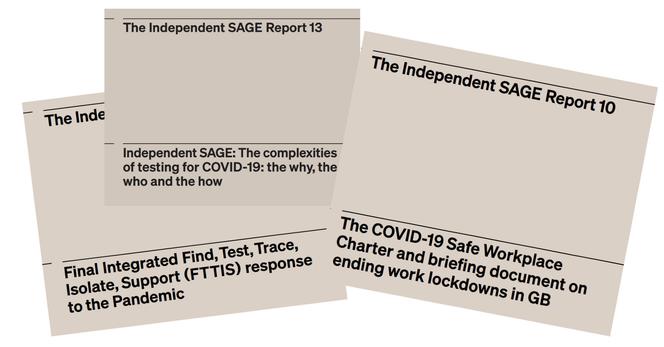
Indie SAGE too published many reports that summer and autumn, on how to make contact tracing more effective, on how to improve testing, on safer return to work and study, the need to support people isolating.
13/19
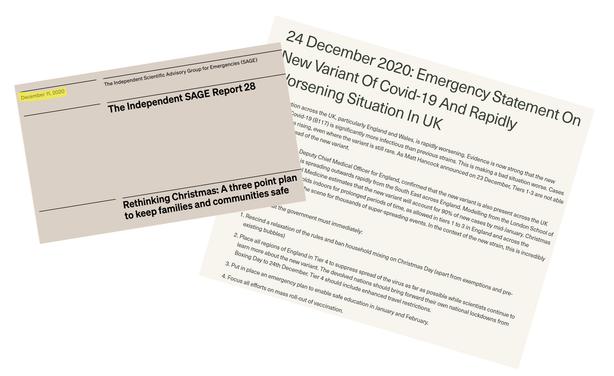
We highlighted the urgency of what was happening in the lead up to Christmas 2020 as things were spiralling out of control, and called for an emergency national lockdown almost two weeks before the government acted.
14/19
What makes it even more tragic is that the UK was the first country in the world to start vaccinating people - in early December just as the second wave was turbocharged by the Alpha variant.
15/19
By mid-March 2021, over 25 million people had received at least one dose of Covid vaccine, which included over 95% of all adults over 65 years old.
Early evidence was that even one dose reduced the chance of death by over 80% in older adults.
16/19
Imagine the lives that could have been saved had we managed to delay the next wave until after our population was vaccinated.
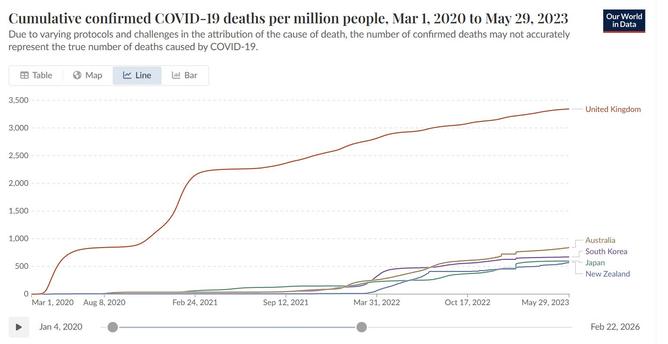
Actually, we don’t need to imagine - countries that avoided significant waves until after their populations were vaccinated saw far fewer Covid deaths.
17/19
 Prof Christina Pagel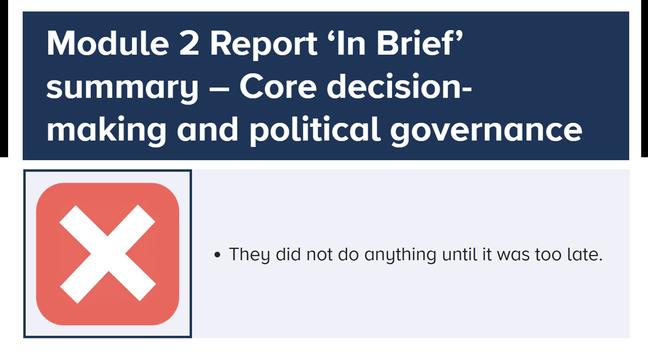
 Willem Van den Ende - Writing