"The only harm X has asserted is that its customers collectively chose X’s competitors over X" but "illegal group boycotts must involve a competitor at some level who seeks to restrain competition against an outsider to the agreement." X failed to allege that advertisers were restraining competition
Elon Musk's X advertising boyc...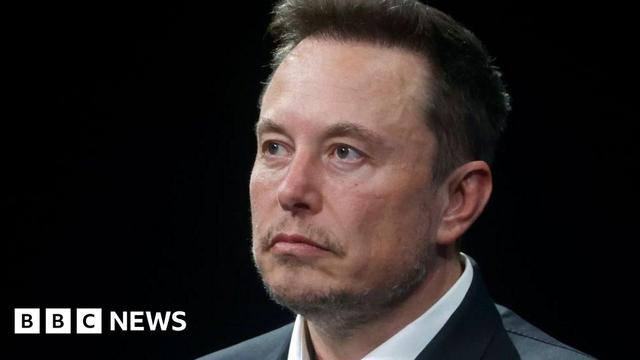
Elon Musk's X advertising boycott lawsuit dismissed by US judge
US District Judge Jane Boyle said the company had failed to show it had suffered any harm under federal competition laws.
In theory, the FTC might be have wider latitude bringing an unfair methods of competition suit under the FTC Act, but it would still have to show a reduction in competition, which X utterly failed to do.
Read pages 49-56 of the order
storage.courtlistener.com/recap/gov.us...To win a case, the FTC could show that some the boycott was, in fact, directed by one of X's rivals. But X couldn't show that because GARM excluded its social media company members from making such decisions.
Alternatively, a valid antitrust suit might show that the advertisers had attempted to block X's access to *other* advertisers. But that didn't happen here either.
So why is the FTC investigating non-profits like Media Matters or the Global Disinformation Index? There's no way they could help prove either theory
Newsguard differs from GARM mainly in that it's a for-profit. But it does essentially the same thing: help advertisers decide where to buy ads
Expect all three entities to point to this decision to argue that the FTC's investigations of them have no legal basis in the FTC Act and are, instead, merely tools of harassment against speech the FTC doesn't like. Yet the costs have been ruinous: 30% of Newsguard's revenue:
 Berin Szóka


