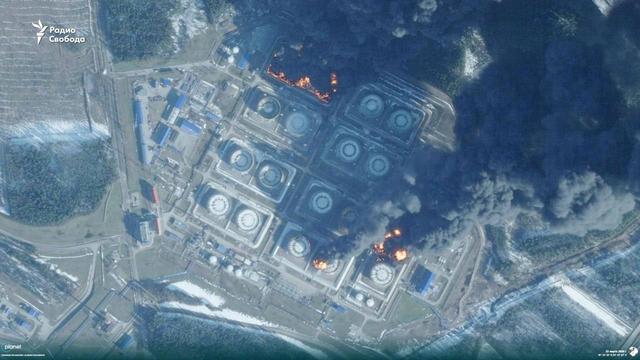
We’re seeing a massive escalation in Ukraine’s #kineticsanctions campaign. Over the last few days, long-range drone strikes have hammered the Saratov refinery and major Baltic export hubs at Ust-Luga and Primorsk. The strategy is shifting from "difficult" to "systemic shutdown." 🧵 1/
On March 21st alone, Ukraine launched nearly 300 drones. The hit on Saratov didn't just cause a fire; it reportedly knocked out a secondary refining unit and a 10,000-ton diesel reservoir. When you hit the "secondary" units, you aren't just burning fuel—you’re breaking the machines that make it 2/
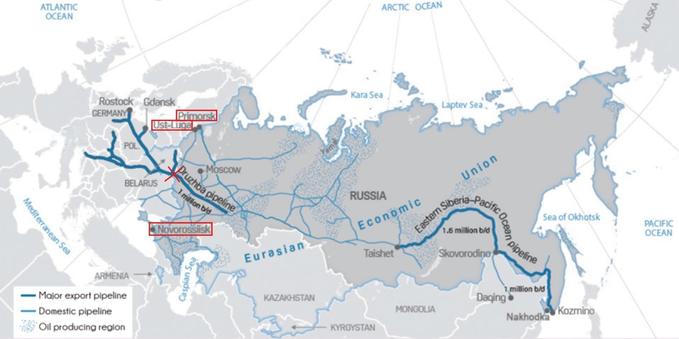
The Baltic Sea disruption is the real story for global markets. Ust-Luga and Primorsk are russia's primary windows to the world. Reports from yesterday show loading operations halted. Smoke from the fires is visible from 🇫🇮 If these hubs stay offline, Russia’s seaborne crude flow hits a wall 3/
The numbers: 🇷🇺 fossil fuel export revenues already hit post-invasion lows in early 2026 (~€464M/day in Jan). Now, analysts are seeing seaborne volumes drop as much as 83% for sanctioned giants like Rosneft and Lukoil compared to last year. The "shadow fleet" is struggling to fill a gap this large 4/
It’s not just about export cash. By hitting refineries, Ukraine is forcing a "feedstock famine" inside 🇷🇺. Local prices are volatile, and the Kremlin is reportedly facing a choice: keep the tanks at the front moving, or keep the tractors in the fields running. You can’t do both with a broken grid. 5/
Bottom line: We’ve moved past the era of "price caps" as the main lever. Ukraine is physically dismantling the infrastructure that funds the russian war machine. 2026 is looking like the year the "energy superpower" narrative finally runs out of gas? 6/end