 Siderea, Sibylla Bostoniensis
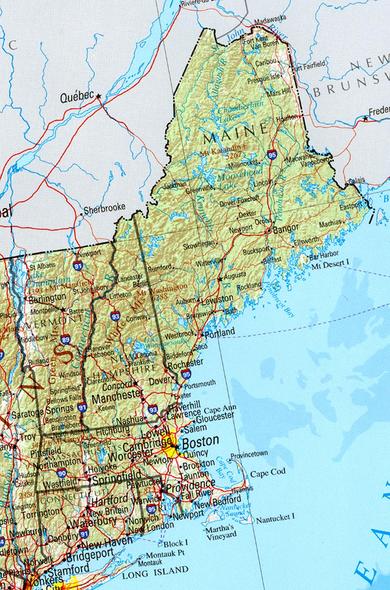
Hey, #ecologist fediverse! I have a question about the biome(s) of Northeast US and Eastern Canada.
I grew up in New England, but when I was 15 I moved to California (1986) and I had a biology teacher who said something interesting in passing about the predominant biome of New England: that unlike the forested parts of England and Western Europe, pretty much all the nutrients in our mixed coniferous/deciduous forests were actually in the trees and other botanical growth. As opposed to the soil.
And this is one of the reasons that early white colonists struggled mightily with agriculture here. They would clear the trees and underbrush, and assume that the soil that grew them so tall would also do likewise to their wheat and vegetables. Which it did not.
Can any of you confirm or deny this? I would love a pointer to a paper that makes this contention or explains it – or debunks it.
 seachanged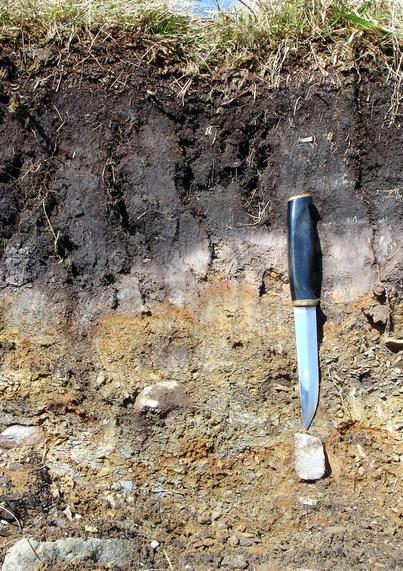
 tasket