 Laura G, Sassy 70’s
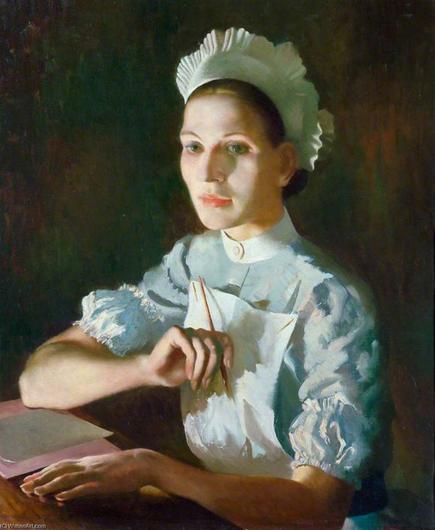
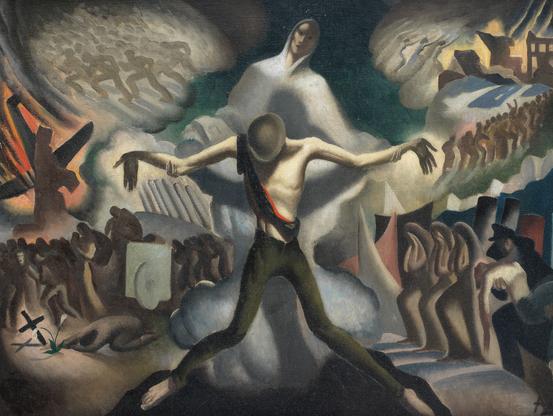
Your art history post for today: by Anna Katrina Zinkeisen (1901–1976), Night Duty, 1954 or before, oil on canvas, 76x63.5 cm, Bradford Museums and Galleries, Bradford, England. ©️Estate of Anna Katrina Zinkeisen. As a comment, I will share one of her more challenging works from World War II. #WomensHistoryMonth #womenartists #womanartist #painting #oilpainting
Yesterday, I shared a work by her sister Doris Zinkeisen. Both were artists. From Judi McGinley, Museum of the Order of St John: “They were talented, vivacious, stylish and sassy, and the toast of London’s society. They were the Zinkeisen sisters. Doris and Anna Zinkeisen were the bright young things of the art world during the 1920s and 30s, and rubbed shoulders with the likes of Noel Coward, John Gielgud, and Laurence Olivier…
In 1918, Doris and Anna volunteered as St John Ambulance Voluntary Aid Detachment nurses (VADs). Voluntary Aid Detachments were groups of volunteers who among other things provided field nursing services, mainly in hospitals in the United Kingdom, and in various parts of the British Empire. The VADs worked alongside technical and professional staff. The sisters would have been trained in first aid nursing, and would have cared for convalescing soldiers who had been injured at the front.
Doris and Anna volunteered their services again during the Second World War when they both worked as auxiliary nurses for the Order of St John at St Mary’s Hospital in Paddington. They worked in the casualty department helping to nurse air raid victims who had been caught up in the Blitz. By day they nursed war casualties and by night the sisters worked as medical artists. Each night they would commandeer disused operating theatres where they would work on paintings of wounded air raid victims that they had nursed during the day. Anna also created pathological and anatomical drawings of war injuries, complex surgical procedures, and dismembered limbs for the Royal College of Surgeons.”