 Peet Tetteroo
 Brad Mitchell
March 24, 2026- “A growing body of evidence suggests that long COVID (or post-COVID syndrome), a condition affecting more than 10% of people after a SARS-CoV-2 infection, may be driven by the immune system turning against the body. Now, new research coordinated by UMC Utrecht and Amsterdam UMC provides some of the strongest functional evidence yet that autoantibodies (antibodies that mistakenly target the body's own tissues) could play a causal role.” “What is really striking," say both co-leads of the study, "is that three independent research groups have recently reported similar findings, adding confidence to the emerging autoimmune signature of long COVID." -https://medicalxpress.com/news/2026-03-autoantibodies-implicated-drivers-covid.html
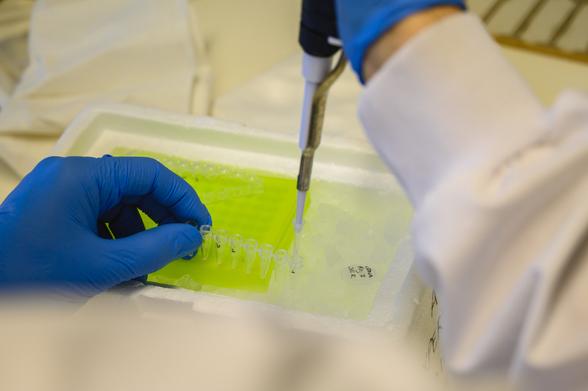
Autoantibodies implicated as drivers of long COVID in new study
A growing body of evidence suggests that long COVID (or post-COVID syndrome), a condition affecting more than 10% of people after a SARS-CoV-2 infection, may be driven by the immune system turning against the body. Now, new research coordinated by UMC Utrecht and Amsterdam UMC provides some of the strongest functional evidence yet that autoantibodies (antibodies that mistakenly target the body's own tissues) could play a causal role. The work appears in Cell Reports Medicine.
 Nic The Briny